
AES withdrawal from ICC sparks debate on global justice fairness
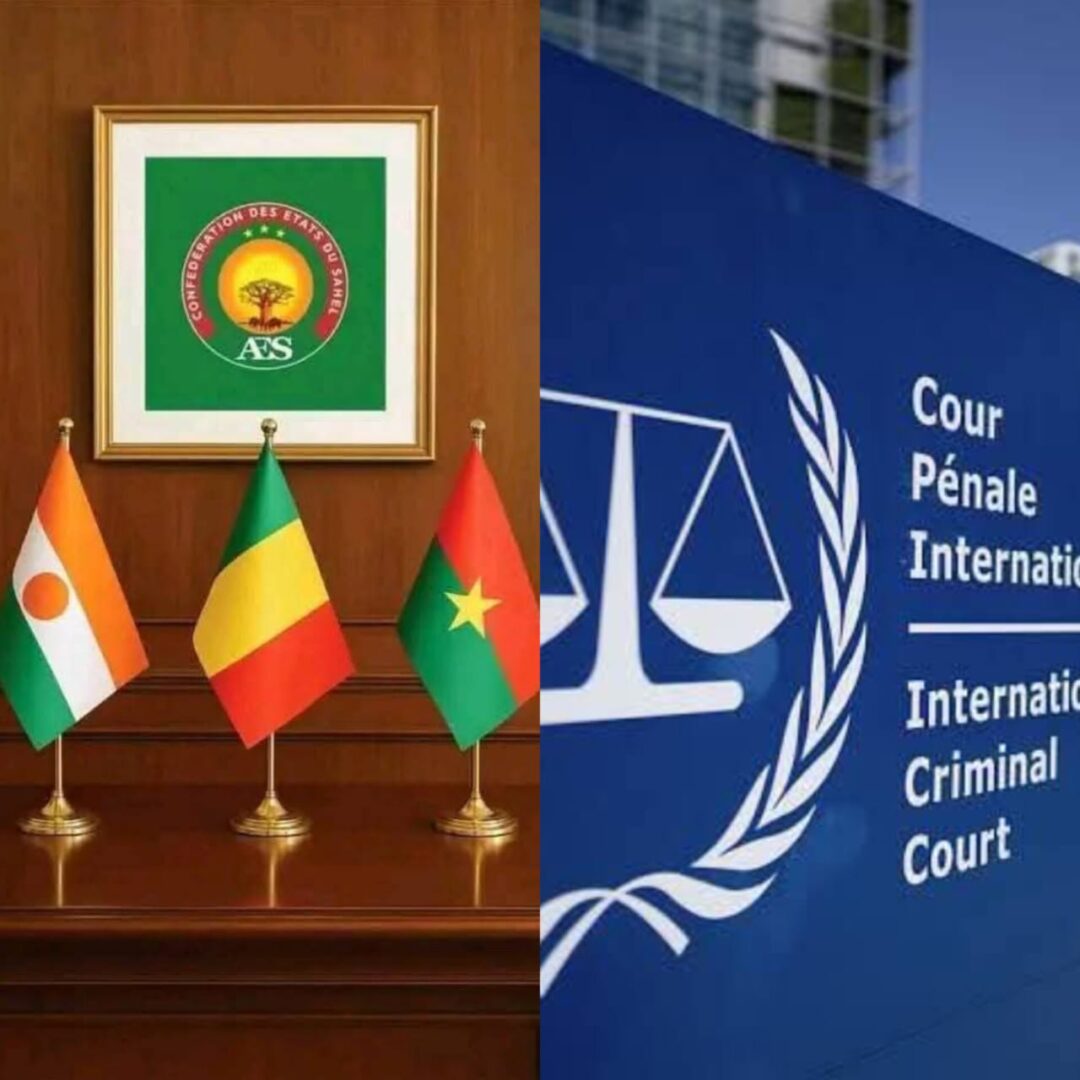
The joint withdrawal of Burkina Faso, Mali, and Niger from the International Criminal Court (ICC) marks more than just a diplomatic rupture—it signals a profound reckoning with the very concept of global justice in the 21st century. On September 22, the three nations, forming the Alliance of Sahel States (AES), took a decisive step that will be etched into history as a turning point in international law.
The decision was not merely a rejection of one institution; it represented a wholesale challenge to the legitimacy of the ICC itself. Critics argue that the move opens the door to impunity for military regimes under pressure, yet the resonance of this stance within the Global South suggests deeper discontent. The withdrawal reflects a broader frustration with a justice system that, despite its noble origins with the Rome Statute of 1998, has increasingly appeared selective, politicized, and far from universal in its application.
The sovereignty argument: reclaiming judicial autonomy
For transitional authorities in Bamako, Ouagadougou, and Niamey, severing ties with the ICC is the logical culmination of a sovereign quest. Following the denunciation of military agreements with France and the United States, the rupture with ECOWAS, and the withdrawal from La Francophonie, the exit from the Rome Statute completes a process of institutional disconnection. The message is unequivocal: Sahelian affairs must be resolved by Sahelians, free from external judicial oversight.
Yet beneath the rhetoric of national dignity lies a calculated strategy. As these governments wage an asymmetric war against terrorist groups, their security forces face recurring allegations of civilian abuses. By withdrawing from the ICC, they erect a legal shield for command structures and align with non-Western security partners, notably Russia, which has also openly defied the Hague-based court.
A justice system under scrutiny: double standards exposed
The widespread appeal of this rupture stems from a damning indictment of the ICC: its glaring double standards and political weaponization. How can the court claim neutrality when architects of some of the 21st century’s most devastating wars—such as the 2003 Iraq invasion, launched on false pretenses—have never faced accountability? Figures like George W. Bush and Tony Blair remain untouched by international justice, while the ICC’s attempt to investigate alleged war crimes by U.S. forces in Afghanistan triggered direct financial sanctions against its prosecutors.
The illusion of equitable justice is further shattered by partisan procedures. The case of former Ivorian President Laurent Gbagbo serves as a stark example. Detained for nearly a decade after a post-election crisis, Gbagbo was ultimately acquitted on all charges, with judges citing the prosecution’s “exceptional weakness” in evidence. The court’s perceived bias toward “justice for the victors” was further exposed by its reluctance to pursue allies of incumbent powers despite credible allegations of abuses.
Recent developments have only deepened this skepticism. The swift issuance of an international arrest warrant against Vladimir Poutine following Russia’s invasion of Ukraine, while justified, contrasts sharply with decades of inaction against Western powers or their allies, reinforcing the perception of a court dominated by Northern interests.
Replacing one injustice with another?
Faced with what many view as a “white man’s justice” or a geopolitical tool of the North, abandoning the ICC outright is not the answer. Africa already possesses robust mechanisms to uphold fundamental rights, including the African Court on Human and Peoples’ Rights (ACHPR) at the continental level and the ECOWAS Court of Justice at the regional level.
Yet a paradox remains. While condemning the ICC for its interference or bias, some Sahelian states undermine their own judicial institutions by ignoring rulings from these very courts. Membership in ECOWAS is often touted as a badge of honor, but compliance with its Court of Justice’s decisions—such as those condemning arbitrary arrests or authoritarian excesses—is frequently disregarded.
To be credible in their critique of The Hague, West African nations must prioritize strengthening the ECOWAS Court of Justice and rigorously enforcing its rulings. Without systematic adherence to regional judicial decisions, accusations of ICC bias ring hollow. Sovereignty cannot justify replacing international arbitrariness with domestic impunity. True rule of law—whether in the Sahel or beyond—requires independent judges whose decisions bind all, including heads of state.
The AES withdrawal from the ICC should not be dismissed as mere defiance. It is a clarion call for international law itself. The message from the Sahel is unambiguous: the ICC has lost its monopoly on global morality. The challenge now lies with African nations and sub-regional institutions to demonstrate that the alternative to The Hague is not the law of the strongest, but the establishment of a strong, independent, and equitable continental justice system respected by all.