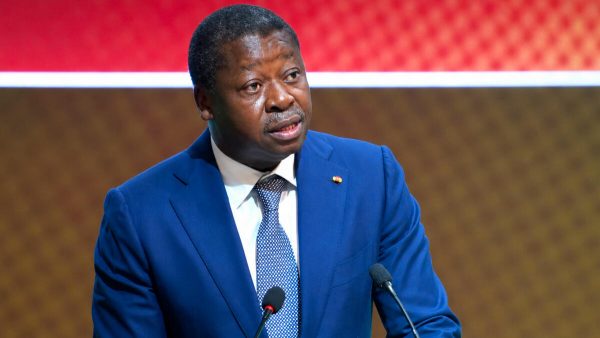

The call was unambiguous. As the third edition of the Biashara Afrika panafrican forum kicked off in Lomé on Monday, May 18, 2026, Togo‘s Council President Faure Essozimna Gnassingbé urged African leaders to move beyond political ambitions and focus on tangible economic outcomes that could drive sustainable growth and deeper continental integration.
Lomé is emerging as a pivotal hub for pragmatic African commerce. The Togolese capital brought together continent-wide decision-makers for the third edition of Biashara Afrika, a high-level forum co-organized by the African Continental Free Trade Area (AfCFTA) Secretariat and the Togolese government. The event, dedicated to intra-African trade and investment, opened under a banner of urgency and action.
Faure Gnassingbé seized the platform to deliver a manifesto-style address, setting a decisive tone for his peers: « The era of vision must become the era of results. »
The Togolese leader emphasized Africa’s historic moment, asserting the continent’s collective capacity to turn political ambition into economic reality. He dismissed lingering doubts, declaring that Africa is now ready to embrace a new economic destiny.
Togo: a living laboratory for the AfCFTA
Rather than relying on abstract concepts, the Head of State presented Togo‘s roadmap as a tangible demonstration of progress. Positioned strategically, the country is leveraging its infrastructure to become a cornerstone of the AfCFTA:
- Strengthened regional connectivity to streamline trade corridors.
- A leading logistics hub anchored by its deep-water port, unmatched in the subregion.
- Bold structural reforms frequently praised across the continent for enhancing the business climate.
Through this model, Lomé aims to prove that African economic integration can yield immediate and concrete benefits when political will aligns with the needs of economic operators.
Daunting figures, persistent challenges
The macroeconomic stakes of the AfCFTA are unparalleled globally. This ambitious project seeks to unite a market of staggering scale:
AfCFTA by the numbers
- Participating countries: 55 member states.
- Consumer base: 1.4 billion people.
- Economic power: combined GDP estimated at $3.4 trillion.
Yet, this promising vision collides with the harsh realities of borders. Biashara Afrika has set out to tackle the bottlenecks stifling intra-African trade head-on. Key priorities highlighted by participants include eliminating non-tariff barriers, addressing chronic infrastructure deficits, and easing access to financing. There is also a strong emphasis on restructuring overly fragmented value chains and ensuring Small and Medium Enterprises (SMEs)—often sidelined in cross-border flows—are fully integrated.
Biashara Afrika: time to deliver on AfCFTA promises
« We must move from intentions to tangible outcomes, » declared a Kenyan entrepreneur at the forum, echoing Faure Gnassingbé‘s appeal. A Nigerian economist added, « The AfCFTA will only be credible if SMEs find their place in this single market. » These voices reflect the pressing demand from economic actors for swift and inclusive implementation.
Beyond technical discussions, Biashara Afrika reflects a broader geopolitical shift: Africa’s ambition to wield greater influence in global trade. The AfCFTA is seen as a strategic response to the challenges of globalization and international trade tensions.
The message in Lomé leaves no room for delay. Africa now possesses the legal framework, natural resources, and human capital required. For the AfCFTA, the challenge is no longer about envisioning the future but executing it—immediately.