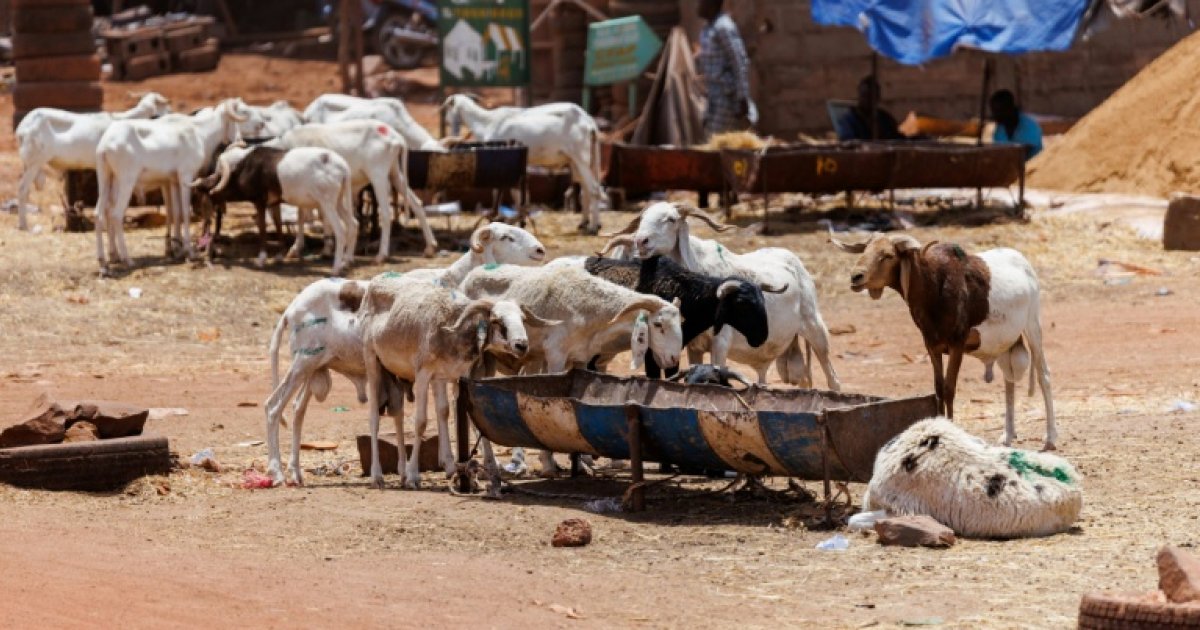

Bamako residents defy jihadist blockade to celebrate Eid al-Adha in Mali
Residents of Bamako are adapting to celebrate Eid al-Adha this year despite a jihadist blockade strangling the city. The annual pilgrimage, which normally brings families together across Mali, is unfolding under unprecedented challenges.
Blockade disrupts transportation and traditions
Alpha Amadou Kané, a 40-year-old from Mopti, faces a difficult reality: for the first time in three decades, he will celebrate Eid al-Adha away from his family. The journey home is impossible due to attacks on public transport by Al-Qaeda-affiliated groups in the Sahel.
Since late April, militants have enforced a partial blockade on key roads leading to Bamako, torching buses and goods trucks. The sight of charred vehicles has deterred transport companies from operating routes to the capital and discouraged travelers from risking the trip to reunite with loved ones.
Eid al-Adha in Mali transcends religious observance—it is a social cornerstone where families, often separated for months by work or migration, reconnect. This year, the usual buzz in Bamako’s bus terminals is replaced by an eerie silence. Beyond insecurity, the transport sector is crippled by severe fuel shortages.
“Not only do we lack diesel to maintain regular operations, but we’ve also lost buses to recent attacks. It’s an enormous financial loss,” confides a local travel agency owner who requested anonymity.
“Normally, we transport over 50,000 passengers weekly from Bamako to the interior during Eid. This year, we’re not operating any routes,” reveals the operations manager of a major transport company.
Wara Bagayoko, who has driven the 120 km route to Ségou for 30 years to celebrate with his community, is heartbroken. “This is the first time I won’t be in my village for Eid. The roads are too dangerous,” he admits.
While large transport firms have suspended operations, some minibuses still navigate into Bamako via backroads or under military escort on select routes.
Sheep shortage drives prices to record highs
The transport paralysis is crippling the livestock sector, critical for the ritual sacrifice during Eid al-Adha. Herders and traders from pastoral zones struggle to deliver animals to Bamako, the country’s main market.
Transport costs for a single animal have skyrocketed from 2,500–2,750 CFA francs (€4) to 15,000–18,000 CFA francs (€22–27), explains Alassane Maïga, a transporter.
The scarcity of sheep—traditionally sacrificed in remembrance of Abraham’s willingness to sacrifice his son—has driven prices to unprecedented levels in a country where the minimum wage is 40,000 CFA francs (€60).
“Many livestock trucks were burned by jihadists… Normally, I had over 1,000 heads; today, I have none,” says Hama Ba, a Bamako-based vendor.
“Sheep that cost 75,000 CFA francs (€114) now sell for 300,000 CFA francs (€457). Before, we had plenty of options; today, sheep are nearly invisible in Bamako,” laments Iyi, desperately searching for an affordable ram.
Power outages and water shortages compound the crisis
Bamako is grappling with more than just insecurity. The capital is enduring severe electricity blackouts and critical drinking water shortages. Tailors, who should be sewing festive outfits, struggle to meet demand due to power cuts.
The Énergie du Mali company, relying on diesel-powered thermal plants, faces fuel supply disruptions, worsening the energy crisis. “We tried small solar panels, but they can’t replace grid electricity,” notes Alou Diallo, a tailor in Bamako.
Households are also worried about food preservation. “How can we store meat without electricity? Buying a sheep at this price only to risk losing the meat in 24 hours due to blackouts is terrifying,” shares a mother from the Sirakoro district.
In recent days, Malian authorities announced the arrival of hundreds of fuel tankers in Bamako to alleviate shortages.
Despite the challenges, Bamako’s residents are determined to celebrate Eid al-Adha in their own way, finding strength in community and resilience in the face of adversity.