Bénin lawmakers to review urgent budget adjustments and institutional reforms
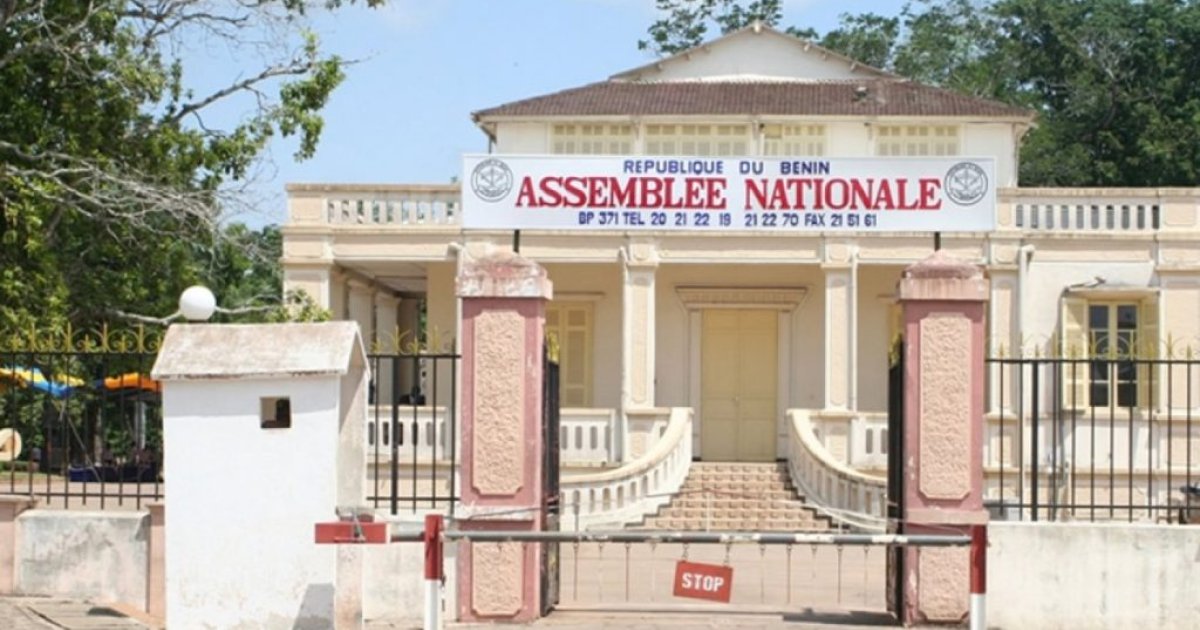
Members of the 10th legislature are scheduled to gather this Friday at the Palais des Gouverneurs for a critical plenary session. The agenda, as set by the Speaker of the National Assembly, Joseph Djogbénou, focuses on two specific bills submitted under emergency procedures: the 2026 rectified budget and a modification to the law governing the Mediator of the Republic.
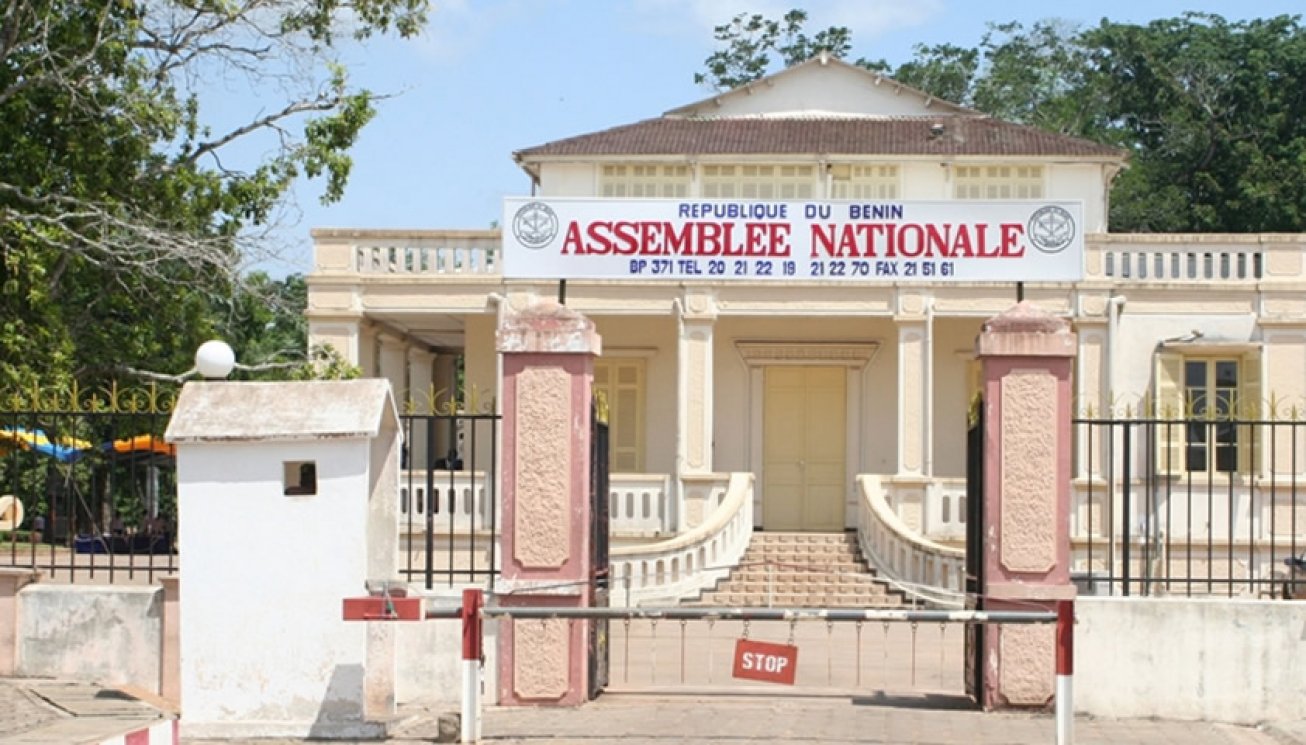
The Conference of Presidents approved this accelerated timeline to ensure these priority texts are debated and voted upon without delay. This legislative speed is intended to synchronize government action with the strategic roadmap established by President Romuald Wadagni since taking office. Under the new proposal, the national budget is set to grow by 8%, climbing from 3,783.984 billion to 4,086.620 billion FCFA.
Key impacts of the rectified financial law
Despite the budgetary expansion, macroeconomic forecasts remain stable with a projected growth rate of 7.5%. The government has planned a 9.8% reduction in personnel costs through administrative streamlining, though this will not affect scheduled recruitment or essential service acquisitions. Conversely, budget revenues are expected to rise by 2%, while investment spending will see an 8.5% boost.
This financial realignment places a heavy emphasis on social welfare. New funding is being directed toward human capital and social protection, including the installation of water points in medical centers and schools. Furthermore, the state is accelerating nutrition programs for infants, strengthening mandatory health insurance, and increasing support for children living on the streets.
The education sector is also a primary beneficiary. Starting with the 2026-2027 academic year, the government plans to generalize free tuition for girls in general secondary education. Additionally, a new infrastructure program will focus on building storage facilities for school canteens across the country.
Regarding internal security, Bénin is increasing its budget to enhance public safety measures, specifically through the rollout of video surveillance systems in major urban areas. The healthcare sector will see the Calavi International Hospital become fully operational, alongside the renovation of various regional clinics. Finally, to combat rising costs driven by global geopolitical shifts, the state will subsidize agricultural inputs to protect national food security and boost farming productivity.
This Friday’s session represents a pivotal moment for the nation, signaling both a significant financial shift and a clear political commitment to social and infrastructural development.