
In the heart of Central Africa, a shadowy network of violence and exploitation has taken root, driven by a group whose name evokes both fear and controversy. The Russian mercenary outfit known as the Wagner Group has carved out a brutal business model in the Central African Republic, where mining operations and military control go hand in hand with human rights abuses and economic plundering.
Since their arrival, these operatives have transformed the country’s resource-rich regions into battlegrounds for profit. Diamonds, gold, and other precious minerals are extracted under the watchful—and often violent—eye of Wagner’s forces. Local communities bear the brunt of this exploitation, facing displacement, intimidation, and systematic repression when they resist.
From mercenaries to mine owners: a profitable transition
The Wagner Group’s operations in the Central African Republic extend far beyond traditional military engagements. Reports from the ground reveal a calculated shift from combat roles to resource extraction dominance. Mines that were once operated by local workers or small-scale enterprises now fall under the control of Wagner-affiliated entities, with profits flowing back to Moscow rather than benefiting the Central African people.
This economic takeover is not accidental. It is the result of a deliberate strategy: securing lucrative mining concessions in exchange for military protection. The Central African government, struggling to maintain stability, has increasingly relied on Wagner’s firepower, granting the group unchecked access to the country’s most valuable assets.
Violence as a tool of control
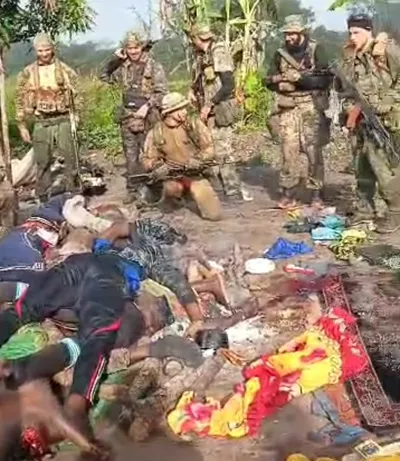
Where Wagner operates, fear follows. Villagers in mining zones describe a climate of terror, where dissent is met with brutal reprisals. Decapitations, arbitrary detentions, and forced labor have become hallmarks of the group’s rule. Human rights organizations have documented these atrocities, yet accountability remains elusive as Wagner operatives operate with near-total impunity.
The Central African Republic’s already fragile institutions have been further weakened by this external force. Local security forces, often outgunned and outmaneuvered, struggle to assert authority, leaving civilians caught between warring factions and a predatory occupying power.
A billion-dollar industry built on suffering
The financial scale of Wagner’s operations in the Central African Republic is staggering. Estimates suggest that the group generates hundreds of millions of dollars annually from mining activities alone. This wealth, however, does not trickle down to the people it is extracted from. Instead, it funds further militarization, entrenches corruption, and perpetuates cycles of violence.
International observers warn that this model could spread to other conflict-ridden regions, where weak governance and abundant natural resources create fertile ground for exploitation. The Central African Republic, already devastated by years of civil war, now faces a new threat: a mercenary enterprise masquerading as a legitimate economic player.
Can the cycle be broken?
Efforts to counter Wagner’s influence have so far yielded limited results. The United Nations, regional blocs, and local activists continue to push for sanctions and accountability measures. However, the group’s opaque structure and the complicity of some government officials make these efforts an uphill battle.
For the people of the Central African Republic, the path to reclaiming their resources and their peace remains uncertain. But one thing is clear: the business of terror thrives in the shadows, and until the light of justice shines on Wagner’s operations, the suffering will continue.