
Burkina Faso Annuls Streaming Aurifère Contract with Franco-Nevada and Sandstorm
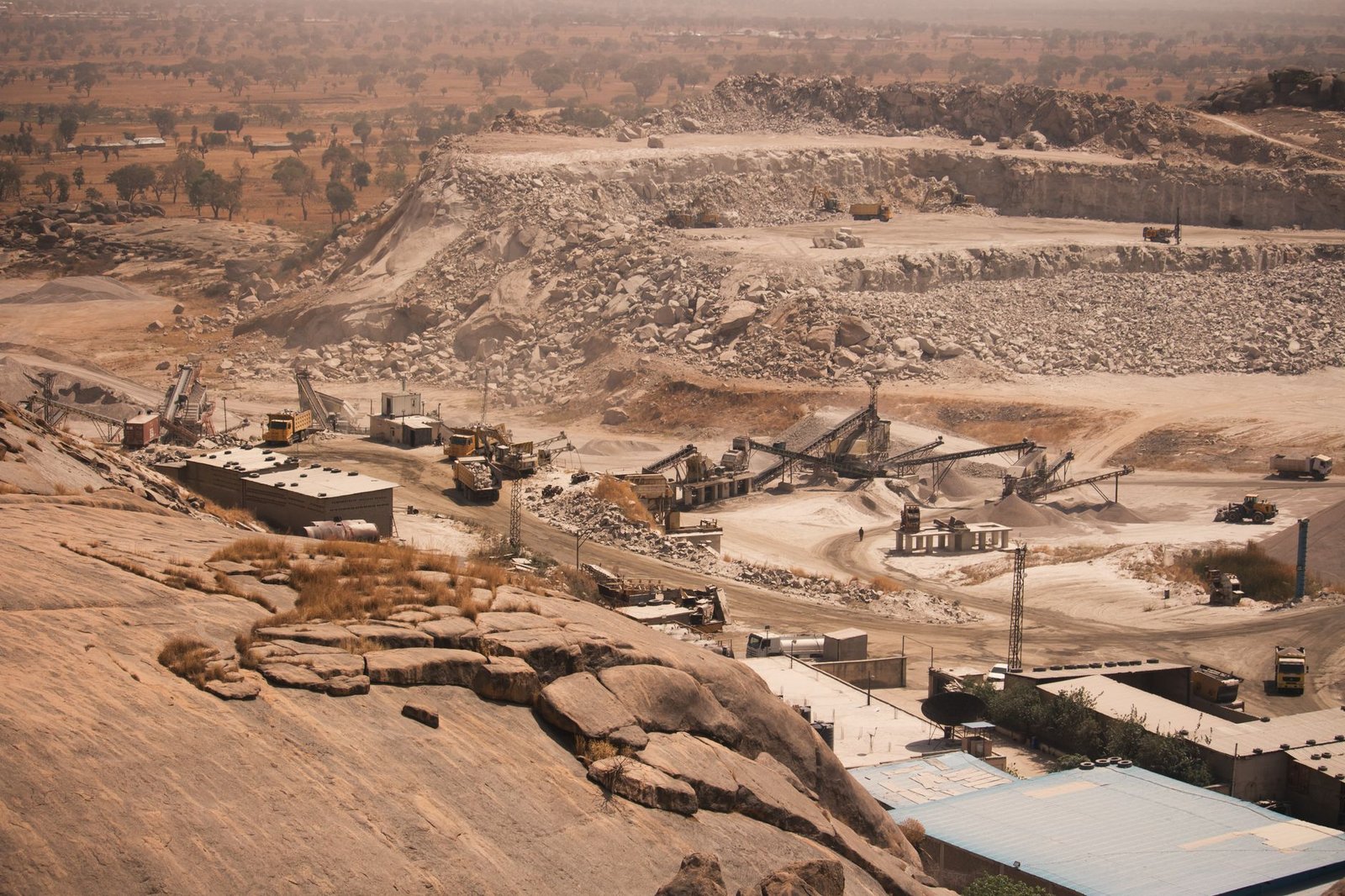
The Burkinabé judiciary has dealt a significant blow to the global mining sector by nullifying a streaming aurifère contract between Canadian companies Franco-Nevada and Sandstorm Gold Royalties and an asset on national territory.
A streaming aurifère is based on a simple principle: a financier advances capital to a mining operator in exchange for the right to purchase, over the life of the mine, a share of production at a discounted price relative to the market. Franco-Nevada and Sandstorm are among the most active players in this segment, with portfolios spread across several African jurisdictions.
The judgment, which has far-reaching implications beyond Burkina Faso, questions the solidity of financial instruments heavily used across Africa to pre-finance gold production.
A Judgment Questioning Sovereignty Over Mineral Resources
The decision is part of a sequence of political measures initiated since the arrival of the transition authorities in Ouagadougou. Burkina Faso, the third-largest gold producer on the continent, has engaged in a thorough review of its extractive framework, aiming to capture a larger share of the aurifere’s revenue.
The annulment of the streaming contract is part of this logic of reasserting state prerogatives. The magistrates have estimated, based on available evidence, that the initial conditions of the agreement were not in line with current laws.
Franco-Nevada and Sandstorm Face an Unprecedented Precedent
Franco-Nevada, valued at several tens of billions of dollars, has built its model on accumulating royalties and streams across the world. Sandstorm, less capitalized but very present in West African mines, has also made Africa’s West a preferred terrain. The two groups are now forced to evaluate the financial and operational consequences of a decision that could challenge one of their assets.
Beyond just these companies, the entire mining finance community is watching this case closely. Lenders, specialized funds, and export credit insurance companies traditionally integrate political risk into their models but rarely the judicial nullity of such structured contracts. This precedent might increase the cost of capital for West African projects at a time when gold prices are at historically high levels.
A Signal for Africa’s Aurifere
The Mali, Niger, Guinea, and Ghana have also engaged in revisions of their mining regimes. The Sahel Central region, particularly, displays a shared will to renegotiate the terms of contracts deemed unbalanced. This judgment offers African states an argumentative judicial basis that might inspire similar démarches.
The exact scope of the judgment depends on the appeals process and potential arbitration. Streaming contracts generally include clauses for international arbitration, notably before the Centre International pour le Règlement des Différends relatifs aux Investissements (CIRDI). Franco-Nevada and Sandstorm have tools to contest the annulment but a recent trajectory of Burkinabé diplomacy leaves room for a long confrontation. In practice, this case is a school example illustrating the growing tension between the sophistication of Western financial instruments and African states’ political will to renegotiate their integration into global commodity markets.
For Further Reading
Belinga: A Gabonese Delegation in Perth for Talks with Fortescue · Christian de Boissieu Pleads for Renegotiating Mining Contracts · Gabon: The State Abandons 51.8 Billion FCFA of Mining Taxes