
Cameroon’s behind-the-scenes construction delays stall cabinet reshuffle
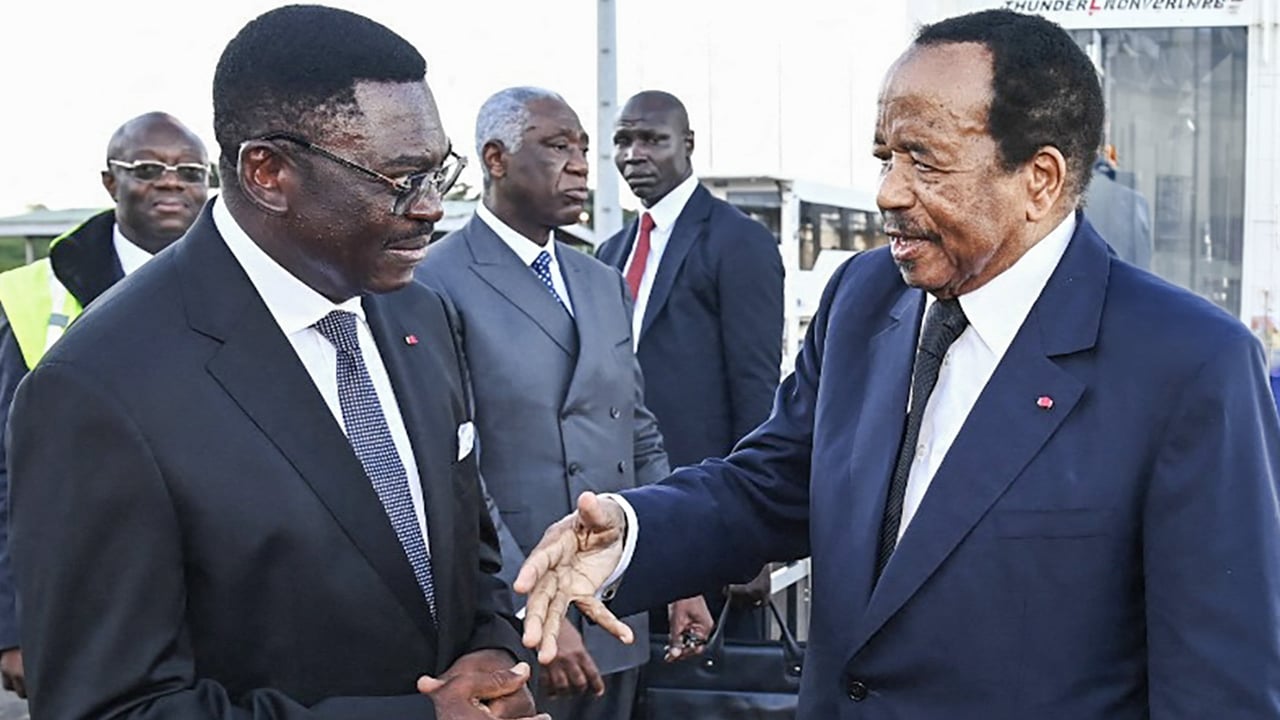

Cameroon’s long-anticipated government reshuffle continues to face unexpected setbacks, with secret construction projects in the capital Yaoundé emerging as a key obstacle. Insiders reveal that ongoing infrastructure works, particularly at high-profile state sites, have diverted critical resources and administrative focus away from the cabinet restructuring process.
The delays have raised concerns among political observers, who note that Ferdinand Ngoh Ngoh, Secretary-General of the Presidency, has been notably occupied overseeing these ventures. His involvement in these projects has raised questions about the timeline for the reshuffle, which was initially expected to be finalized weeks ago.
Unseen projects drain time and funds
While the nature of these construction activities remains largely undisclosed, reports from close circles indicate they include presidential compound expansions and security-sensitive upgrades at strategic locations across Yaoundé. These initiatives, though framed as modernization efforts, have reportedly consumed substantial portions of the national budget earmarked for governance reforms.
Critics argue that the prolonged construction phase risks undermining public confidence in government efficiency. With President Paul Biya expected to finalize key ministerial appointments, the prolonged construction phase raises doubts about the administration’s commitment to timely reforms.
Government responds to growing pressure
In recent weeks, officials have sought to downplay the impact of the construction works, emphasizing that these projects are part of a broader vision for national development. A senior civil servant, speaking on condition of anonymity, acknowledged the delays but insisted that the reshuffle would proceed once the most urgent infrastructure tasks are completed.
Meanwhile, political analysts suggest that the reshuffle—long overdue in many quarters—could serve as a strategy to reinforce governance structures ahead of upcoming regional challenges. The government has yet to provide a definitive timeline for the cabinet changes, leaving stakeholders in anticipation.
What’s next for Cameroon’s political landscape?
The coming days will be crucial in determining whether these behind-the-scenes construction projects will clear the path for a reshuffle or further delay the long-awaited government overhaul. As the nation watches closely, the interplay between infrastructure and governance remains a defining narrative in Cameroon’s political trajectory.