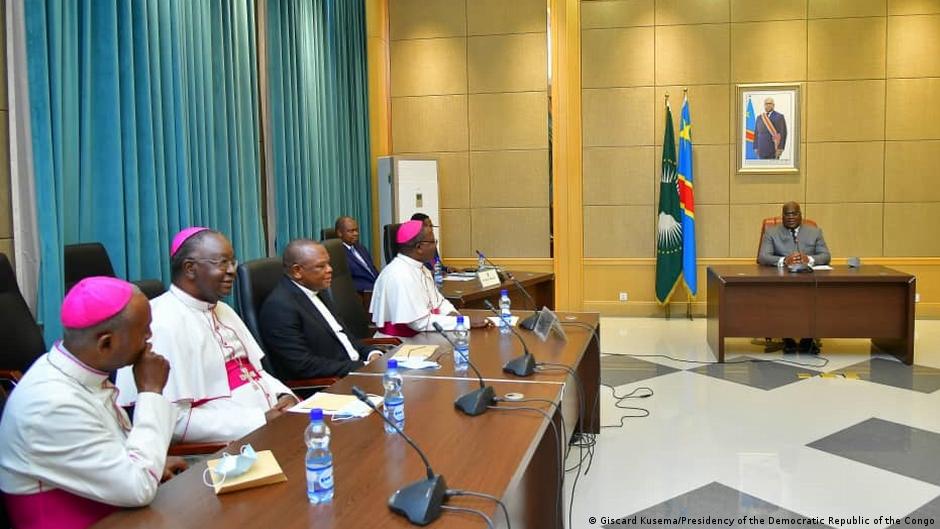

The Congolese National Episcopal Conference (Cenco) has formally voiced its opposition to proposed modifications of the February 18, 2006, Constitution. This stance, articulated in a statement released on June 20, aligns the influential religious body with political opposition groups already campaigning against the move.
Abbé Donatien Nshole, the secretary-general of Cenco, argued that the constitutional overhaul suggested by the administration lacks both necessity and urgency. The church has called upon its clergy and pastoral workers to actively educate the faithful, urging them to resist any manipulation regarding potential constitutional changes. Nshole emphasized that the church reserves the right to initiate concrete actions as the situation develops.
The bishops’ intervention appears aimed at steering the national political dialogue, raising concerns that such structural changes could exacerbate existing fragility, particularly amidst ongoing insecurity in the eastern provinces and heightened social tensions.
Public opinion in Kinshasa remains divided. Some citizens express concern over the timing of such a debate given the state of siege and military conflict in the east. Others speculate on the political motivations behind the reform, while some argue that legal adjustments might be necessary to better position the nation on the international stage.
The influence of Cenco
While the Catholic Church lacks a direct institutional mechanism to halt legislative reform, political analyst Christian Moleka notes that its social, political, and diplomatic clout remains significant. Moleka observes that while the Church possesses a unique ability to mobilize followers across the entire nation, the current landscape also sees smaller religious groups, such as the “revivalist” churches, entering the political fray.
As the debate intensifies, the political climate remains volatile. Opposition factions have scheduled street protests for July 8 to demand the departure of President Félix Tshisekedi. Meanwhile, the ruling UDPS party has dismissed these actions, accusing the opposition of attempting to incite civil unrest.