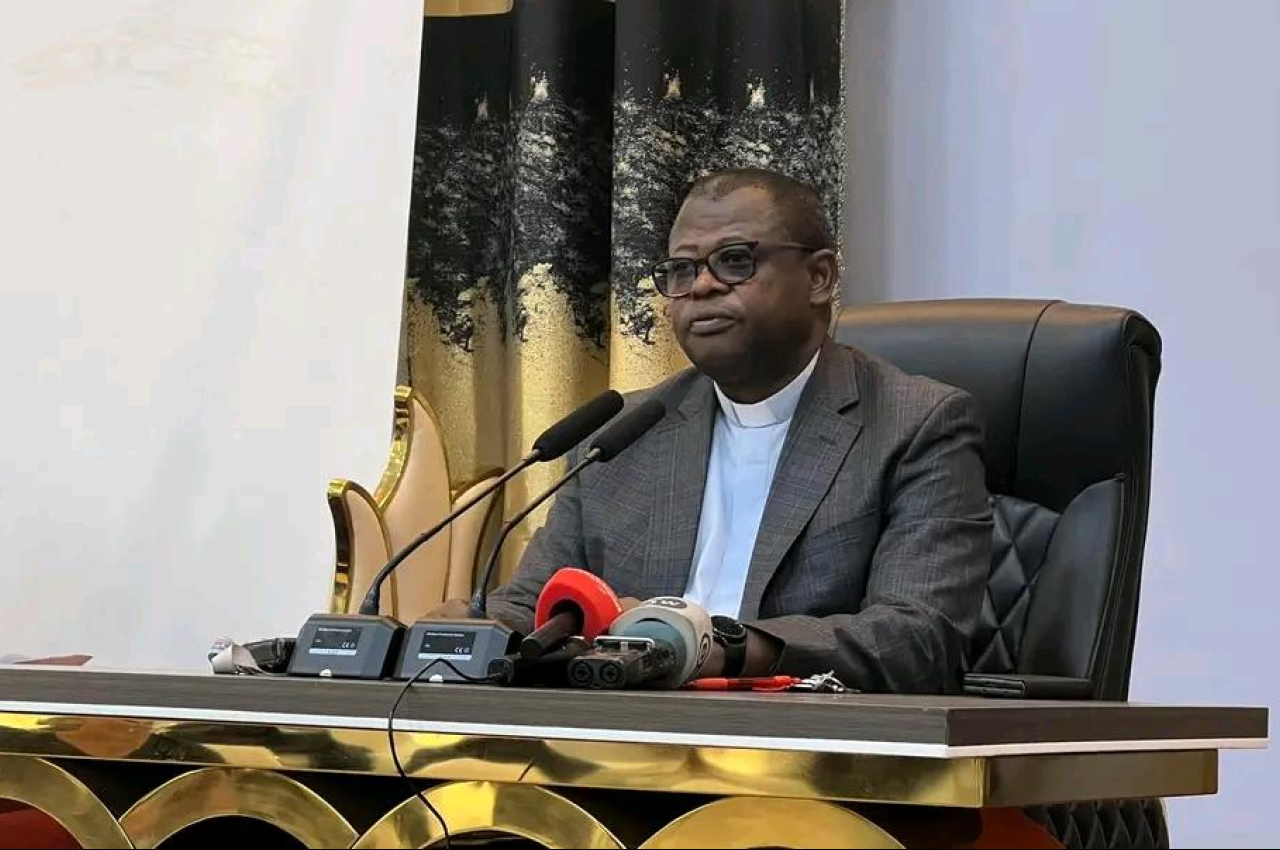

The movement against the proposed constitutional overhaul in the République démocratique du Congo (RDC) has gained a formidable ally. The Conférence épiscopale nationale du Congo (CENCO) has issued a stern rejection of the project, which is widely seen as a strategy to permit President Félix Tshisekedi to pursue a third term. Such a move would directly contradict the current Constitution, which restricts the presidency to two terms. Religious leaders warn that this political ambition places the entire nation in jeopardy.
A warning against national instability
According to the Church, forcing these changes through carries massive risks, including the potential balkanization of the country. The clergy has issued a clarion call to the Congolese people, stating that the nation is in a precarious state and that citizens must take charge of their own future to avoid long-term instability. Beyond this appeal to the public, the CENCO has specifically reminded President Félix Tshisekedi of his inaugural oath to uphold and protect the existing constitutional framework.
Whether this message will be heeded remains to be seen. However, it is clear that the administration is unlikely to welcome this intervention. The Church’s stance comes shortly after the parliament passed a referendum law, providing the executive branch with the legal mechanism to move forward with a constitutional vote. The government seems intent on seeing this process through to the end, raising questions about whether the religious warnings are falling on deaf ears.
The growing pressure on the presidency
While the Catholic prelates clarify that they are not formally joining the political opposition, their firm position undoubtedly strengthens the arguments of those resisting the amendment. For the resident of the Palais de marbre, continuing to ignore these voices could be a dangerous gamble. The emergence of multiple opposition fronts threatens to undermine the stability of the current administration.
The Church is acting within its traditional role by demanding respect for the constitutional order. As advocates for peace, the bishops cannot remain silent on a project that is already causing deep divisions and possesses the potential to spark widespread conflict. Furthermore, as integral members of society, the clergy are directly impacted by the nation’s struggles and refuse to be sidelined in discussions regarding the country’s governance.
Historical parallels and current challenges
Félix Tshisekedi now finds himself in a difficult position. While the political opposition has already attempted to mobilize through strikes and protests—some of which were met with heavy-handed responses—the CENCO is now signaling to its clergy that further actions may be necessary. This shift from the Church as a civil society actor could significantly complicate the presidency’s plans.
It is worth noting that Félix Tshisekedi himself once benefited from the Church’s influence during his time in the opposition. It was the Catholic Church that played a key role in 2017 in preventing his predecessor, Joseph Kabila, from extending his stay in power. If the current president hopes to secure an honorable legacy, he must weigh his next moves carefully. With the ongoing security crisis in the East of the RDC and the persistent threat of Ebola, the Congolese people are already enduring immense hardship that should not be compounded by political turmoil.



