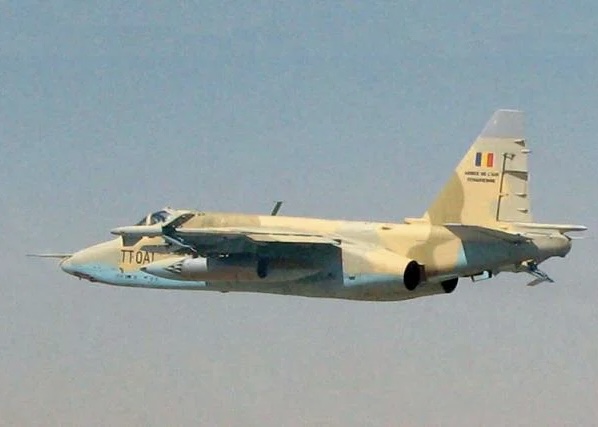

Chad Lake airstrikes: dozens of Nigerian fishermen feared dead
The Nigerian fishing community is in mourning after a series of airstrikes by the Chadian military on Lake Chad, which borders Nigeria, Niger, Cameroon, and Chad. The strikes, targeting Boko Haram strongholds, have reportedly resulted in the disappearance of dozens of local fishermen.
According to eyewitness accounts, including members of anti-jihadist vigilante groups, the Nigerian army has confirmed that over 40 fishermen are missing and presumed dead following the aerial bombardment that began three days ago. The operation was launched in response to a recent attack by Boko Haram on Chadian military positions.
The strikes focused on islands in Lake Chad, particularly the remote Shuwa island—a known Boko Haram stronghold and a major fishing hub. Fishermen operating in the area had reportedly paid taxes to the extremist group to access these waters. The ongoing operation has made it difficult to assess the full scale of the casualties, as the military continues its assault.
Impact on Nigerian fishing communities
Adamu Haladu, a fisherman from Baga in Nigeria’s Borno State, recounted the devastation: “Many people have been killed. Most of the victims were from Doron Baga and Taraba State.” He added that it was common knowledge that Nigerian fishermen paid levies to Boko Haram to fish in these waters, further complicating the situation.
The Chadian military has not yet issued an official statement regarding the incident. However, this is not the first time their operations have led to unintended civilian casualties. In October 2024, a similar airstrike on Tilma Island, intended to target Boko Haram, resulted in the deaths of dozens of Nigerian fishermen. The Chadian military denied allegations of targeting civilians in that incident.
Regional instability and the fight against terrorism
Lake Chad has long been a hotspot for extremist activity, serving as a refuge for both Boko Haram and the Islamic State’s West Africa Province (ISWAP). Since 2009, the insurgency has claimed over 40,000 lives and displaced more than two million people in Nigeria alone, according to UN reports.
The conflict has expanded beyond Nigeria’s borders, affecting neighboring Niger, Cameroon, and Chad. In 2015, these countries formed a Multinational Joint Task Force (MNJTF) to combat terrorism in the region. However, Niger withdrew from the alliance in 2025 due to strained diplomatic relations, weakening the collective effort against jihadist groups.
As the humanitarian crisis deepens, the plight of fishermen and local communities caught in the crossfire remains a tragic reminder of the ongoing struggle for stability in the region.



