
The United Nations Security Council convened a critical session on Wednesday, July 8, 2026, during which Ambassador Fu Cong of China delivered a powerful address condemning the alarming surge in sexual violence in conflict zones worldwide.
The envoy highlighted that women and girls have borne the brunt of this escalating crisis, with sexual violence increasingly weaponized in warfare and terrorism. These acts constitute blatant violations of both UN Security Council resolutions and international law, inflicting profound and lasting trauma on victims, their families, and entire communities.
DRC’s ongoing struggle against sexual violence in conflict
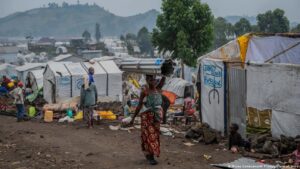
Ambassador Fu Cong’s remarks came against the backdrop of a sobering reality in the Democratic Republic of Congo (DRC), where sexual violence has become a devastating consequence of prolonged conflicts. The eastern regions of the country remain particularly affected by the actions of local and foreign armed groups, compounded by Rwanda’s alleged aggression through support for the AFC/M23 rebellion.
The Chinese diplomat emphasized that national sovereignty must be respected as a fundamental principle. He stressed that primary responsibility lies with the affected states to prevent and combat sexual violence while protecting vulnerable populations. The international community, he noted, must fully respect national sovereignty and authority while supporting capacity-building efforts in security and rule of law to ensure justice and protection for survivors.
International cooperation and peace as prerequisites for ending sexual violence
In his address, Ambassador Fu Cong underscored that lasting peace and stability serve as the essential foundation for eradicating sexual violence in conflict zones. He argued that armed conflicts, social unrest, and weakened state institutions create fertile ground for the proliferation of such crimes.
« Only through peace and stability can we address the root causes of sexual violence and create an environment conducive to judicial and humanitarian action. The international community must embrace a shared vision of comprehensive, cooperative, and sustainable security, prioritizing peaceful dispute resolution, preventive diplomacy, and mediation. We must promote ceasefires, end wars, uphold international humanitarian law, and defuse tensions in conflict zones. A zero-tolerance approach to terrorism must be maintained, with strengthened international cooperation to combat all forms of terrorism,» he declared.
Support for survivors: a moral and strategic imperative
The Chinese representative also highlighted the urgent need to strengthen support mechanisms for survivors. He emphasized that helping victims recover physically and mentally, and rebuild their lives, is essential for promoting justice, social equity, and long-term stability.
« The international community should support conflict-affected countries in improving their assistance systems to ensure survivors have access to comprehensive services, including medical care, psychological support, legal assistance, education, economic reintegration, and measures to combat stigma. The UN Secretary-General’s report reveals severe funding shortages that have forced reductions in assistance programs worldwide, leaving many survivors without recourse. We urge traditional donors, particularly those with historical responsibilities, to provide stable and predictable financial support to affected countries, victims, and survivors, fulfilling their commitments in full,» he stated.
China commends DRC’s proactive measures
Ambassador Fu Cong praised the DRC’s proactive efforts to combat sexual violence, noting significant progress in investigations, prosecutions, military and police management, public reparations, and survivor support. He called for continued collaboration between the UN Special Representative and expert groups to support affected countries in their fight against these crimes.
The session took place amid ongoing diplomatic initiatives to end the crisis in the DRC and restore lasting peace. While political and diplomatic progress has been reported, the situation on the ground remains dire, with clashes continuing and accusations of non-compliance with commitments persisting.