
Civic space in Sahel under military pressure
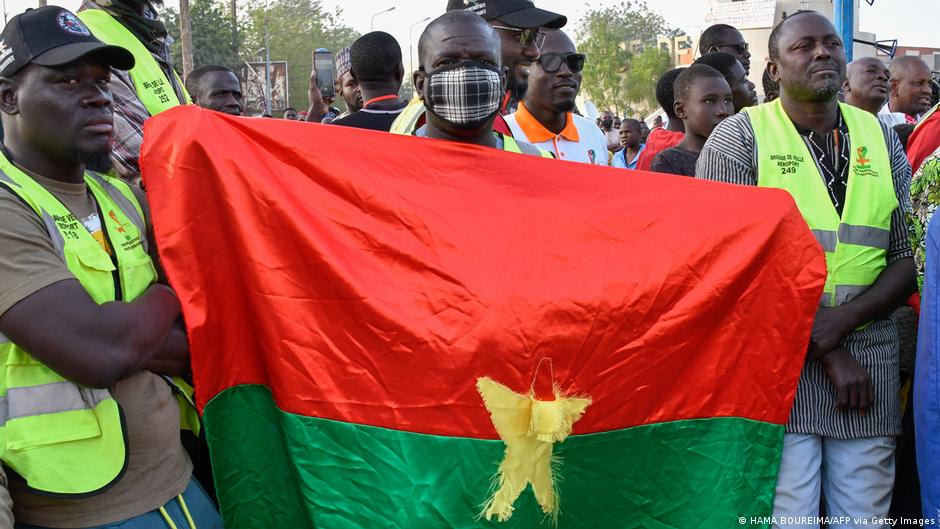
In Burkina Faso, the arrest of Imam Mohamed Ishaq Kindo and the suspension of the country’s leading student union signal a sharp tightening of control under the military regime. This week’s events reveal escalating tensions and mounting restrictions on civic freedoms in the Alliance of Sahel States (AES).
Imam Kindo’s disappearance sparks alarm
Just days before Eid al-Adha, witnesses reported masked security forces—police and soldiers—detaining Imam Kindo at his home. The cleric was no ordinary figure in Burkina Faso, as noted by Burkinabè journalist Newton Ahmed Barry, now living in exile:
“Imam Kindo was one of the few Muslim leaders who, despite initially supporting Ibrahim Traoré, maintained a critical voice on public policy decisions.”
His criticism reportedly targeted a proposed law regulating religious practices, particularly public prayers, which he viewed as an overreach by authorities.
Distinct from Mali’s Imam Dicko
Some observers have drawn parallels with Mali’s Imam Mahmoud Dicko, but Barry dismisses the comparison:
“I don’t believe Imam Kindo sought that role or stature. Instead, he focused on civic vigilance, particularly within his domain as a member of the Federation of Islamic Associations of Burkina Faso (FAIB), which oversees adherence to Islamic doctrine.”
Violence and disinformation follow crackdown
The imam’s detention triggered immediate protests, clashes, multiple injuries, and dozens of arrests. The FAIB repeatedly called for calm amid the unrest. Meanwhile, a disinformation campaign unfolded—a falsified statement claiming his death circulated widely before the prosecutor general issued a swift denial. Other videos, allegedly showing abuses, were flagged by fact-checkers for inconsistencies, suggesting possible AI-generated content.
Fear as a political tool
According to Barry, the junta’s strategy relies on instilling fear: “The more people are intimidated, the easier it is for the regime to consolidate control. They traumatize society to ensure compliance and silence dissent.”
UGEB suspension: students targeted
Another major escalation came with the three-month suspension of the General Union of Burkina Faso Students (UGEB), along with arrests of its president, Bazo Wilfried, and members. Authorities accused the union of “terrorist glorification” and “undermining military morale” after it criticized the deteriorating security situation, labeling it a “civil war” and condemning the government’s failure to restore safety.
Regional pattern of repression
Burkina Faso is not alone. In Mali and Niger, human rights advocates report growing curbs on public freedoms—dissolutions of organizations, judicial harassment, and limits on free speech. Mahamadou Idder Alghabid, Deputy Secretary-General of the Sahel Democrats Alliance (SDA), warns:
“Calling unarmed students ‘terrorist sympathizers’ is laughable, but it’s become standard practice across AES countries. Any dissent is swiftly crushed under accusations of terrorism or collaboration with militants. This authoritarian rhetoric is now routine in all three military-led states.”
Resistance persists despite risks
Despite arrests, abductions, and violence, opposition voices endure—often from abroad. Alghabid remains defiant:
“We recognize the scale of the fight ahead, opposing three military regimes. But every day, we gain ground and they lose it. Their propaganda worked initially—promising sovereignty and anti-imperialism—but Saharan citizens see through the lies. These leaders are failing to deliver, and their support is crumbling.”
Barry echoes this sentiment, predicting the regime’s downfall: “Excessive force is the weakness of tyranny. Ibrahim Traoré’s government will collapse under its own repression. The people are not broken—they are preparing to fight back.”
Urgent calls for international support
Human rights advocates urge sustained pressure to defend civic spaces and democratic resilience. Ilaria Allegrozzi of Human Rights Watch stresses: “The international community must not normalize authoritarianism. Silence and ambiguity only embolden military juntas. Support for civil society and peaceful dissent is essential.”
Ultimately, the legitimacy of military rule is under scrutiny. HRW insists: “We must call out abuses by name. Seizing power through coups cannot become an accepted norm, nor can blatant human rights violations be ignored.”