
Constitutional court clears path for Félix Tshisekedi’s third term
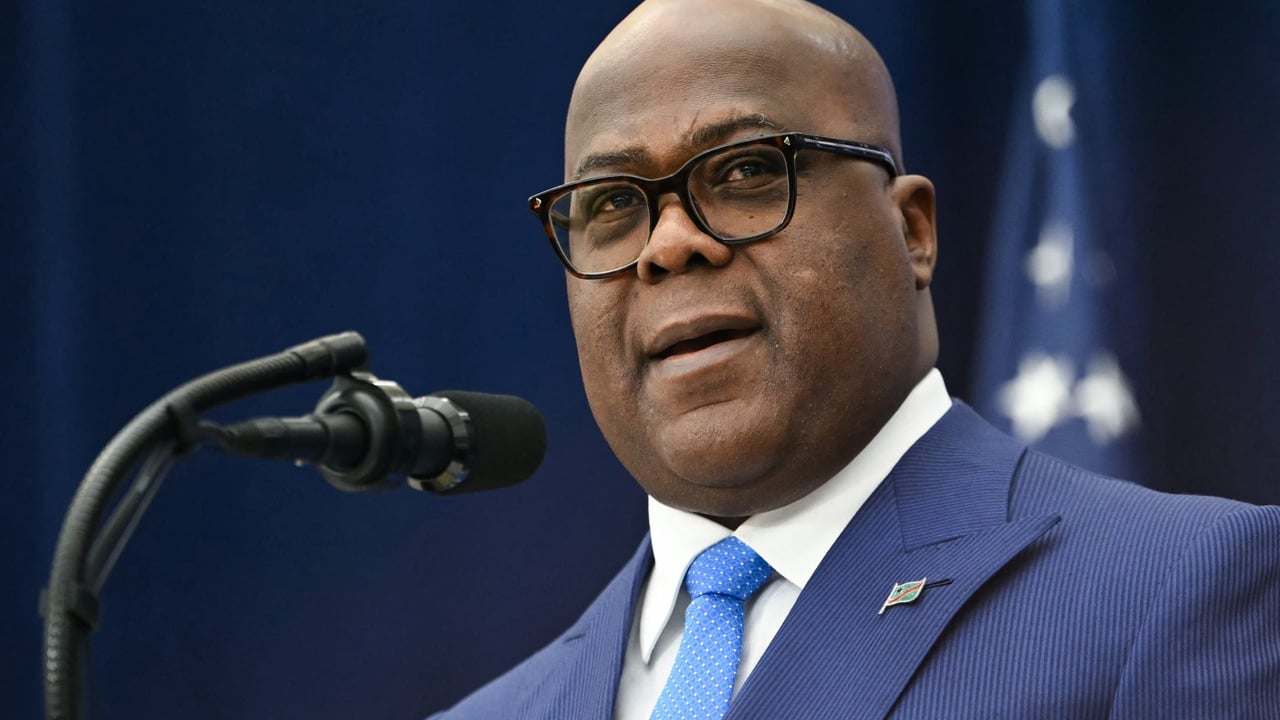
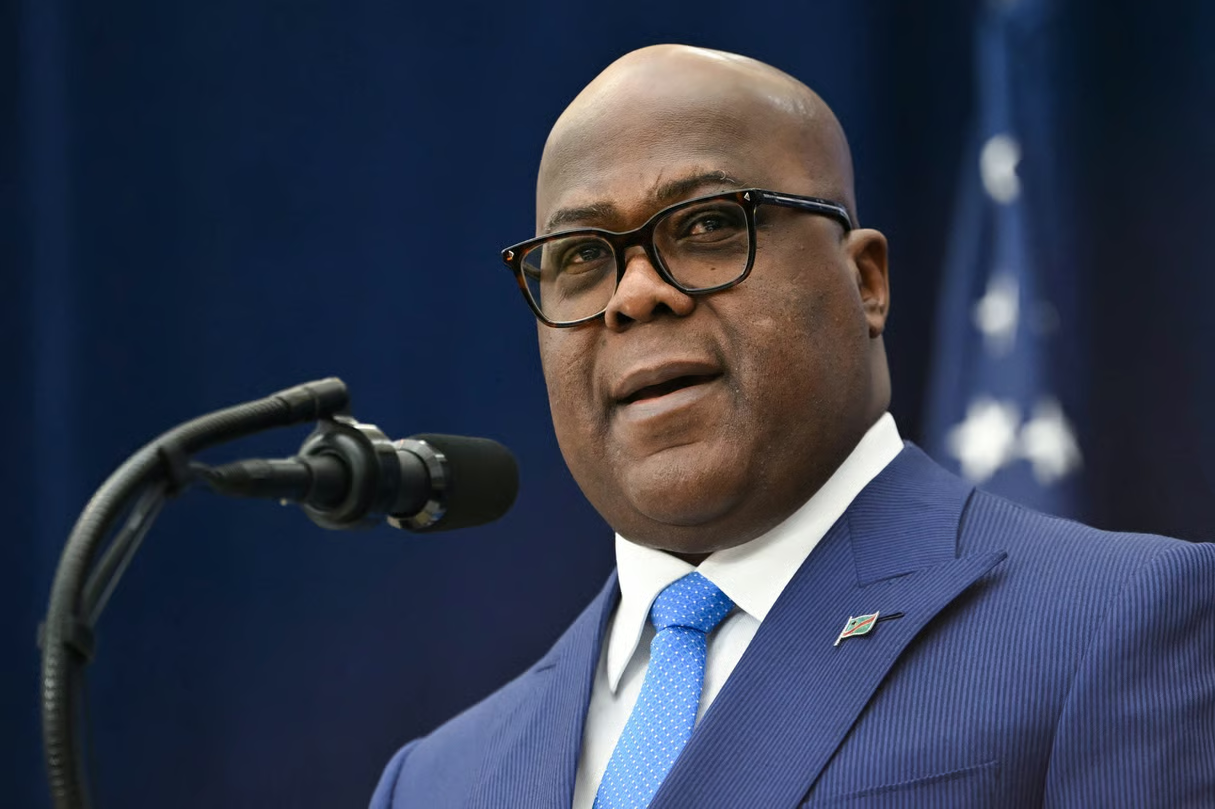
Constitutional Court Endorses Félix Tshisekedi’s Eligibility for Third Term
The Democratic Republic of the Congo’s Constitutional Court has officially validated the new electoral framework, effectively clearing the way for President Félix Tshisekedi to run for a third consecutive term in office. The landmark decision, delivered after a thorough review of the amended constitution, removes the final legal hurdles standing in the president’s path to reelection.
The ruling comes amid a period of heightened political debate across the country. Advocates of the president’s candidacy argue that the amendments align with the nation’s evolving democratic principles, while critics contend that they undermine constitutional term limits designed to ensure peaceful transitions of power.
What the Court’s Ruling Means
The decision hinges on a reinterpretation of the 2023 constitutional amendments, which reset presidential term limits. The court confirmed that the changes do not violate the fundamental law, thereby allowing Félix Tshisekedi to stand in the next election cycle. This judicial endorsement provides the president with a significant strategic advantage as he prepares for the campaign ahead.
The legal landscape now favors the incumbent, who has already begun consolidating support across key political and economic sectors. Observers note that the ruling could reshape the political dynamics in Kinshasa and beyond, setting the stage for a highly contested electoral process.
Reactions and Controversies
The court’s verdict has sparked a wave of reactions from civil society, opposition figures, and international observers. Supporters of the president’s bid for a third term emphasize the need for stability and continuity in governance, pointing to economic progress and infrastructure developments during his first two terms. “The people have spoken through their representatives,” stated one ruling party spokesperson, underscoring the legitimacy of the court’s decision.
Opposition leaders, however, have condemned the ruling as a setback for democracy. Martin Fayulu, a prominent opposition figure, described the decision as “a dangerous precedent that could erode public trust in institutions.” Protests have been reported in several urban centers, with demonstrators calling for the preservation of term limits.
Implications for the 2026 Election
With the legal barriers now removed, Félix Tshisekedi is poised to launch a vigorous reelection campaign. The decision is expected to galvanize his political base, particularly in regions where his administration has delivered tangible results in education, healthcare, and job creation. However, the move also risks deepening political divisions at a time when national unity is critical.
As the 2026 election approaches, all eyes will be on the electoral commission’s preparations and the transparency of the voting process. The court’s ruling has set the stage for a high-stakes political showdown, with Félix Tshisekedi positioned to seek a historic third term.