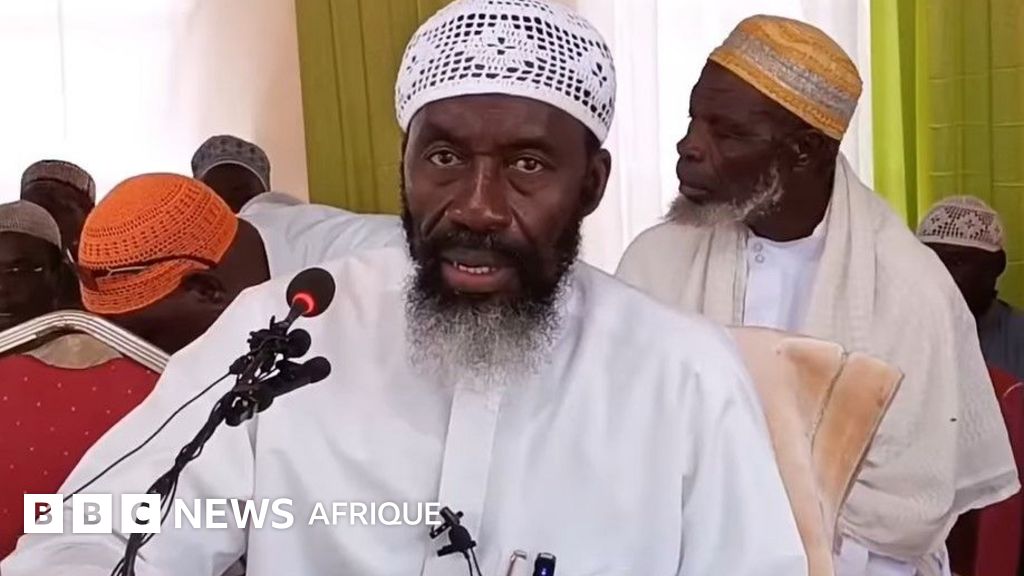

Ouagadougou — The arrest of influential Sunni imam Mohamad Ishaq Kindo has sparked widespread debate in Burkina Faso. The religious leader was detained on Tuesday, May 26, by masked security forces—including police and military personnel—shortly after his vocal criticism of a recently adopted religious freedoms bill.
a high-profile detention ahead of eid
The arrest occurred around 2:00 PM local time, just one day before Eid al-Adha, a major Muslim holiday. Witnesses described the operation as aggressive, with security personnel forcibly removing Kindo from a gathering of supporters. Tensions flared as some worshippers attempted to intervene, resulting in injuries among the faithful.
The Federation of Islamic Associations of Burkina Faso (FAIB) issued a statement shortly after the incident, revealing that Kindo—who also serves as president of the country’s Sunni Ulema Council—was taken into custody under undisclosed circumstances. The organization has since filed formal requests with authorities to clarify his status and secure his release.
criticism of Burkina Faso’s religious freedoms law
Just days prior, Kindo had publicly condemned the March 19 adoption of a bill regulating religious freedoms in Burkina Faso. In a widely shared video, he warned against restricting public prayer and cautioned leaders—regardless of their position—against overstepping spiritual boundaries.
His remarks were seen as a direct challenge to the government’s crackdown on perceived religious extremism. Authorities claim the law aims to curb online hate speech and violent extremism, though critics argue it stifles dissent under the guise of security.
public outrage and security crackdown
Within hours of Kindo’s detention, hundreds of Muslims took to the streets of Ouagadougou, demanding his immediate release. Protesters clashed with security forces, who dispersed the crowd using tear gas. The FAIB urged calm, calling for restraint and patience among followers.
As of now, no official statement has been issued regarding Kindo’s whereabouts or the charges against him. Meanwhile, President Ibrahim Traoré marked Eid al-Adha by praising the country’s security forces for their ongoing fight against jihadist groups. He also warned against any attempts to undermine national stability, threatening unspecified consequences for those who disrupt public order.
what does the religious freedoms law entail?
The controversial legislation, adopted in March, seeks to regulate religious practices in Burkina Faso amid rising concerns over radicalization. Key provisions include:
- Ban on building places of worship in public institutions, with exceptions for healthcare facilities and military barracks.
- Restrictions on public prayer must respect other religious beliefs.
- Targeted measures against online hate speech and extremist discourse.
Government officials, including Mariem Sanogo of the General Directorate of Religious, Customary, and Traditional Affairs, argue the law is necessary to prevent radicalization and maintain national cohesion. However, opponents view it as a tool to silence dissent, particularly under Burkina Faso’s military-led government.
a pattern of repression?
Since Captain Ibrahim Traoré took power nearly four years ago, several critical voices have disappeared or faced legal repercussions. Authorities justify these actions as essential to combating the decade-long jihadist insurgency that has destabilized much of the country.
As Burkina Faso navigates this latest controversy, the fate of Mohamad Ishaq Kindo remains uncertain, with religious and political tensions reaching new heights.



