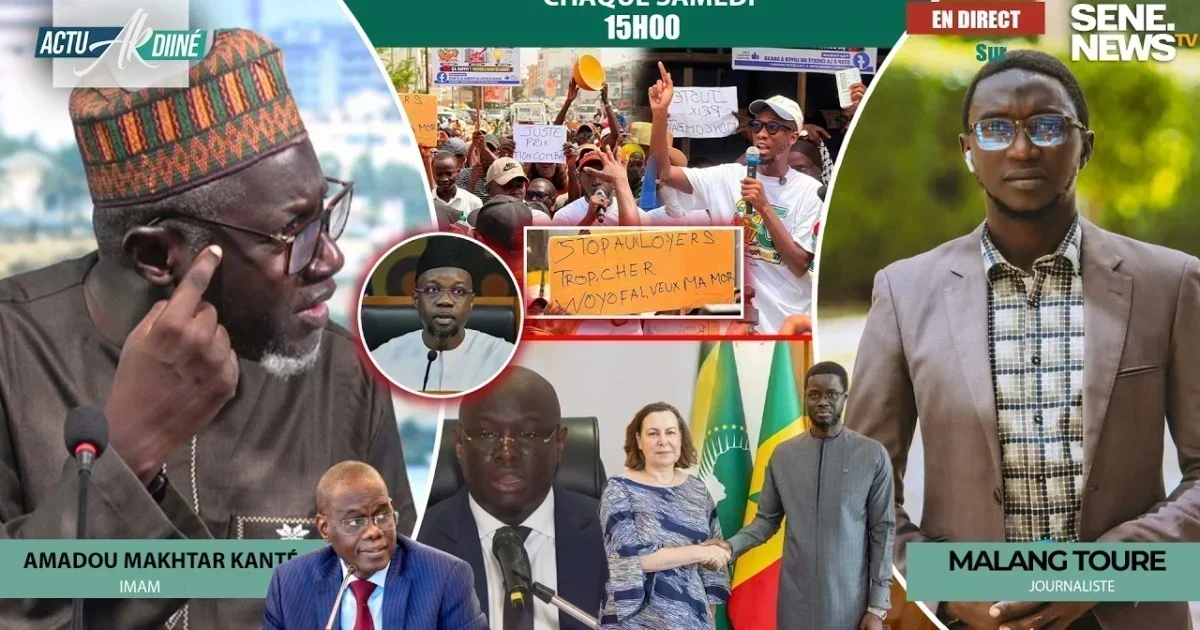

As debates intensify over financial resource management and economic sovereignty, this analysis sheds crucial light on the decisions that lie ahead for Senegal.
At the heart of the discussion is the recent International Monetary Fund (IMF) loan and the ambitious projects championed by Ousmane Sonko. The move has sparked widespread interest, with many observers weighing its potential impact on the nation’s fiscal trajectory and policy direction.
Sonko, a prominent political figure, has been vocal about his vision for Senegal’s economic future. His proposals, which include leveraging international financial support to fund development initiatives, have drawn both praise and criticism. Proponents argue that the loan could provide much-needed liquidity to stimulate growth, while skeptics question the terms and long-term implications for national sovereignty.
The IMF’s decision to extend this financial assistance comes at a time when Senegal faces pressing economic challenges, including high public debt and sluggish growth. The loan is expected to support reforms aimed at stabilizing the economy and fostering sustainable development.
However, the political landscape remains tense, with opposition figures and civil society groups voicing concerns over transparency and accountability. These tensions have been further inflamed by recent parliamentary sessions, where Sonko has faced scrutiny over his handling of economic matters.
As Senegal navigates this complex terrain, the interplay between international financing and domestic priorities will be critical. The outcomes of these deliberations will likely shape the country’s economic policies for years to come, making it essential to understand the nuances of the IMF loan and Sonko’s strategic objectives.