
Divisions among Congo churches over constitutional reform push
Divisions among Congo Churches over Constitutional Reform Push
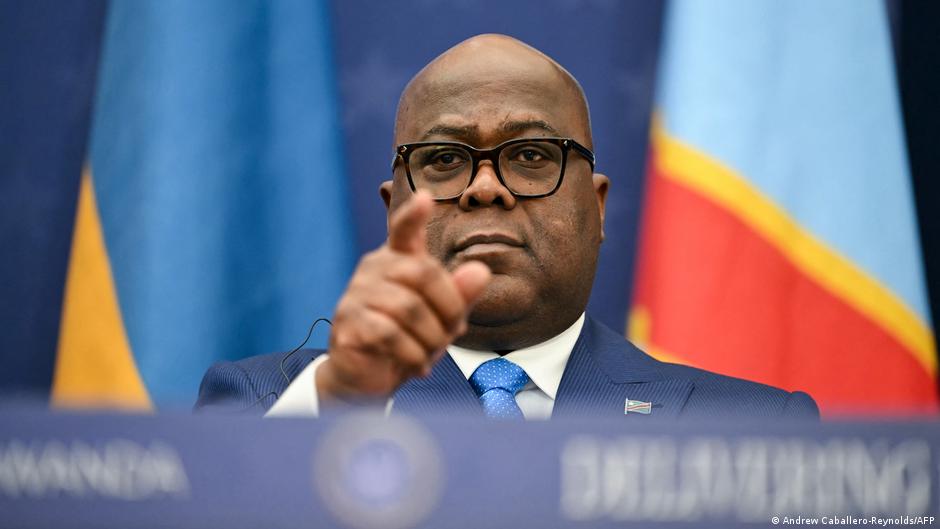
June 9, 2026President Félix Tshisekedi’s constitutional reform initiative has ignited sharp divisions within Congo’s religious landscape. While revivalist churches endorse the proposal, Catholic leaders are urging restraint, warning against potential threats to democratic progress.
The debate intensifies as the reform process advances, with lawmakers having already approved the referendum bill that would allow Congolese citizens to vote on the changes.
Revivalist churches back constitutional changes
Revivalist churches have aligned themselves with the government’s position, arguing that the 2006 Constitution no longer reflects the country’s evolving institutional needs.
Archbishop Evariste Ejiba Yamampia, leader of Congo’s revivalist churches, highlights the reform’s potential benefits for governance and national development. “This is about our territorial sovereignty, effective governance, and sustainable development. It’s about ensuring our people can fully benefit from our nation’s wealth by eliminating wasteful entities,” he explains.
Catholic leaders emphasize democratic safeguards
The National Episcopal Conference of Congo (Cenco) has yet to issue an official stance, but the Catholic Apostolate Council of Congo (CALCC) stresses the importance of preserving the current Constitution, which they view as the cornerstone of Congo’s fledgling democracy.
“The Catholic Church has consistently maintained that the existing Constitution is the foundation of our young democracy,” notes Faustin Onombili, CALCC president. “We advocate for dialogue and wisdom, reminding leaders that power is a service. We also call on all Congolese citizens to remain vigilant and engaged.”
Political opposition escalates criticism
Beyond religious debates, the reform proposal has fueled political tensions. Opposition groups accuse President Tshisekedi of attempting to reshape institutional rules for personal gain.
The Article 64 Coalition, which has labeled the initiative a “constitutional coup,” planned to file a legal complaint but postponed the action to focus on organizing a public demonstration outside Parliament scheduled for Friday.
As the referendum approaches, the constitutional reform debate has become increasingly polarized, pitting those advocating institutional adaptation against defenders of the 2006 Constitution’s democratic framework.