Ebola outbreak in dr Congo: are official numbers hiding the truth?
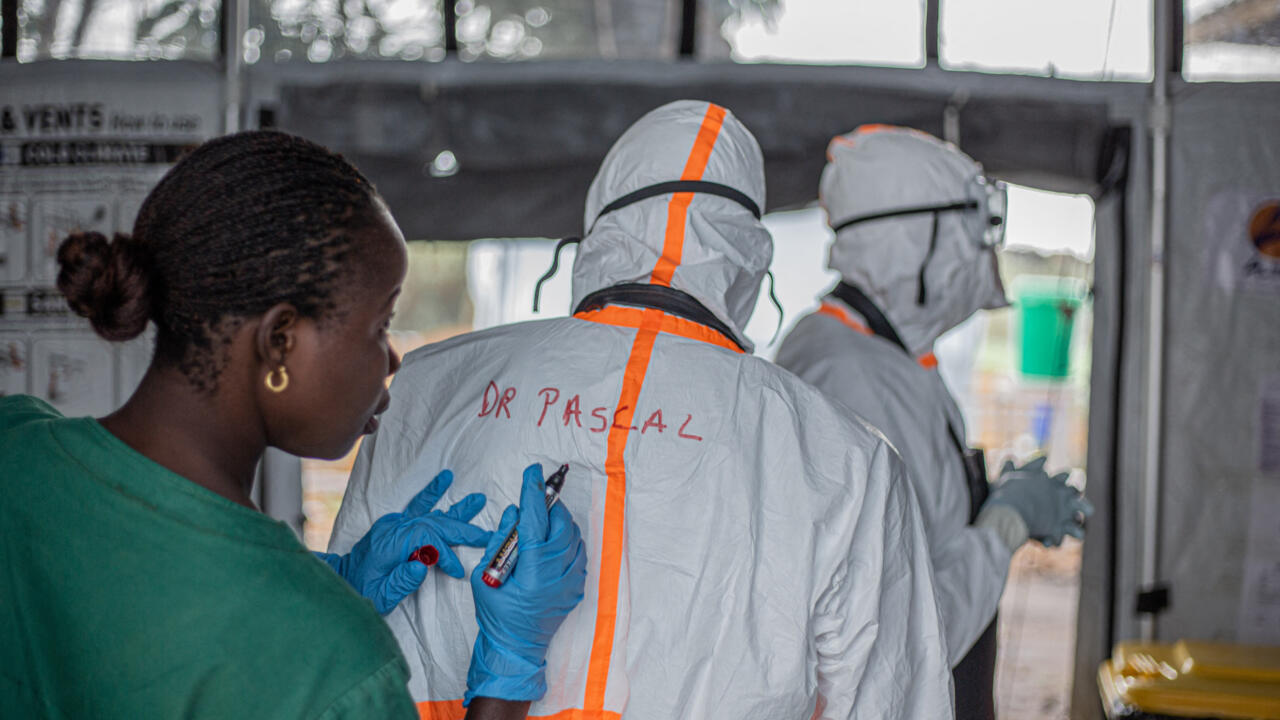
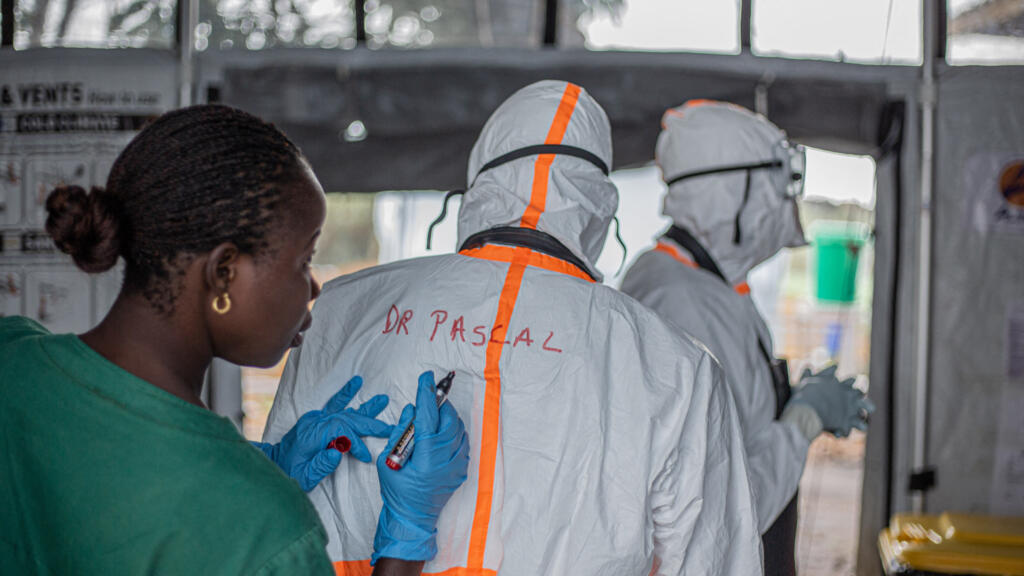
Global health authorities are sounding urgent alarms. Two months after the declaration of the Ebola outbreak in the Democratic Republic of Congo, official figures released on July 15 show over 2,000 cases, including 796 fatalities. Yet experts warn the actual number of infections could be two to four times higher. What factors contribute to this staggering discrepancy? Why does this outbreak continue to spread despite containment efforts? And how might a groundbreaking clinical trial in Bunia this week alter the trajectory of this crisis?
Underreported and under control?
Health officials have raised concerns about potential underreporting in the DRC’s Ebola response. The World Health Organization estimates that the true infection rate may be significantly higher than documented, raising questions about surveillance gaps and community transmission dynamics. The outbreak, centered in the eastern DRC, has proven particularly challenging due to remote terrain, population mobility, and resistance to public health measures in some areas.
International response teams face difficulties in reaching affected communities, compounded by security concerns in certain regions. The disparity between official figures and estimated actual cases suggests either widespread undetected transmission or substantial underreporting of confirmed cases.
Can a new prevention trial change the course?
This week marks a critical development with the launch of a first-of-its-kind clinical trial in Bunia. The study focuses on post-exposure prophylaxis, a preventive treatment administered to individuals who may have been exposed to the virus but haven’t yet developed symptoms. Health experts hope this approach could help break transmission chains and prevent new infections.
The trial comes as health workers intensify efforts to contain the outbreak, which has now persisted for two months. While previous interventions have included vaccination campaigns and rapid response teams, the addition of post-exposure prophylaxis represents a potential game-changer in the fight against this deadly disease.
The situation remains fluid, with health authorities closely monitoring the trial’s progress and adjusting strategies accordingly. The coming weeks will determine whether this innovative approach can help reverse the epidemic’s trajectory.