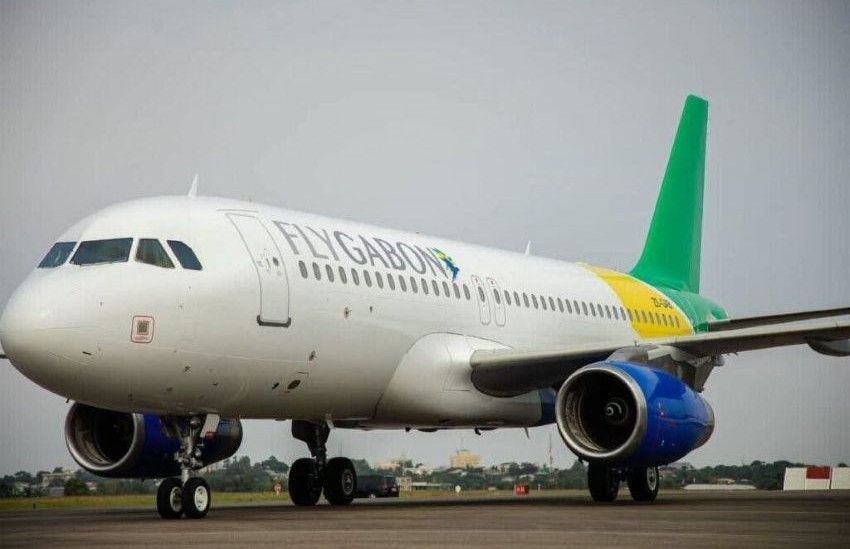
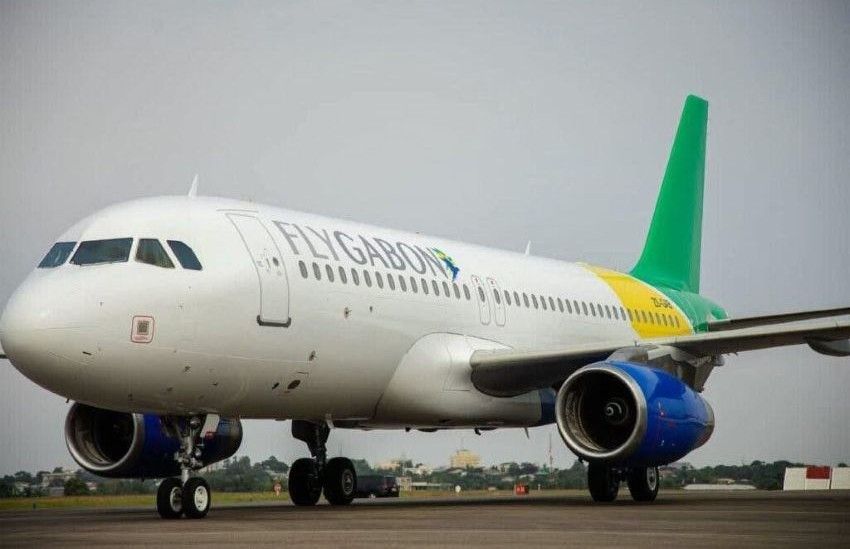
FlyGabon, Gabon’s national carrier, is poised to make a historic leap, moving beyond its traditional domestic and regional focus. The airline’s preparations to inaugurate direct routes to Paris and London signify more than just an expansion of its flight network.
This ambitious national airline aims to strategically reposition Gabon within the crucial global currents of mobility, trade, and investment that shape the international economy.
In an era where robust air connectivity serves as both a measure of economic strength and an instrument of national sovereignty, this initiative transcends mere passenger transport. It represents a deliberate strategic choice designed to lessen Gabon’s reliance on international airlines while simultaneously enhancing Libreville’s appeal on the global stage.
FlyGabon’s european venture
The airline, primarily owned by the Gabonese state via Fly Air Gabon Holding, is actively working to integrate new Boeing aircraft into its fleet, bolstering its operational capacity. The models under consideration include the Boeing 737 Next Generation and the Boeing 737 MAX series, both globally recognized leaders in the medium-haul segment.
The selection of the Boeing 737 MAX appears especially well-suited for this expansion. Boasting a range of approximately 6,500 kilometers, this aircraft makes direct flights between Libreville and major Western European capitals entirely feasible. The planned route to Paris spans around 5,450 kilometers, while the London connection is approximately 5,750 kilometers.
This enhanced capability ushers in a new era for Gabon. Historically, a significant portion of travel to Europe necessitated reliance on foreign carriers or inconvenient regional layovers. Soon, Libreville has the potential to transform into a direct gateway to some of Europe’s most vital economic centers.
The commercial implications are also substantial. Economic exchanges between Gabon and Europe continue to be among the nation’s most crucial, encompassing sectors like petroleum, manganese, processed timber, and private investments. A strengthened direct air service will undoubtedly serve as a pivotal factor in streamlining these vital relationships.
A global strategy tailored for african realities
Beyond the specific aircraft selection, FlyGabon is embracing an approach that mirrors contemporary trends in the global aviation industry. The airline is prioritizing aircraft leasing, opting for the operational rental of its fleet.
This model has now become an international standard, with nearly two-thirds of airlines worldwide operating at least a portion of their fleet under leasing agreements. The benefits are significant: reduced upfront capital expenditure, preservation of cash reserves, and enhanced operational flexibility.
For African carriers, this strategy holds even greater appeal. Delivery timelines from major manufacturers frequently extend beyond four or five years. Leasing aircraft, therefore, enables a swift response to market demands without being constrained by the notoriously lengthy industrial cycles of giants like Boeing or Airbus.
This strategic choice reflects a degree of economic maturity. Instead of committing substantial resources to immediate aircraft purchases, FlyGabon is opting for a gradual scaling up of operations, aligning with principles of profitability and sustainable growth.
Libreville: aspiring to be a regional gateway
Beyond the technical aspects, a far grander national aspiration is taking shape. The Gabonese government envisions transforming Libreville into a pivotal hub connecting Central Africa with Europe.
This vision forms part of a broader national drive to modernize the country’s infrastructure. Ports, logistics networks, air transport, and economic corridors are now being conceived as integrated components of a single ecosystem, all designed to bolster economic diversification.
Within this overarching framework, FlyGabon assumes a central role. A robust national airline is not merely a symbol of sovereignty; it evolves into a powerful tool for competitiveness, capable of attracting investment, fostering tourism, facilitating business travel, and accelerating regional integration.
The undertaking remains significant. European routes are among the most competitive globally, demanding stringent standards for safety, punctuality, service quality, and profitability. Nevertheless, the chosen path demonstrates a clear resolve: to move beyond a limited national service and establish itself as a continental player capable of sustainably linking Gabon to major international economic hubs.
The announcement of these upcoming routes to Paris and London thus signifies more than just a commercial development. It unveils the dawn of a new national connectivity strategy, where aviation emerges as a powerful catalyst for economic development, international influence, and national sovereignty. For FlyGabon, the true ascent may well begin over the Atlantic.