Gabon assumes leadership of CAMES to drive academic excellence in Africa
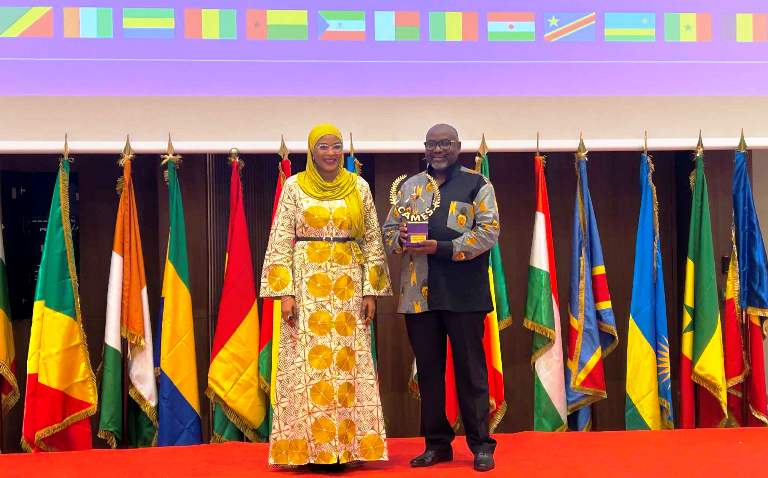
During the 43rd ordinary session of the Council of Ministers for the African and Malagasy Council for Higher Education (CAMES), held in Libreville from June 15 to 19, 2026, a pivotal shift in leadership occurred. Professor Charles Edgard Mombo, the Gabonese Minister of Higher Education, was appointed as the acting president of the organization for a one-year term. This role positions Gabon as a central player in the quest for modernization and academic distinction within the African educational landscape.
Following the deliberations, which resulted in the adoption of several key resolutions, the Gabonese minister expressed his country’s commitment to transforming this mandate into a period of concrete progress. The focus will remain on achieving measurable outcomes for universities, researchers, and students across the entire CAMES region.
“Gabon’s presidency will prioritize the rigorous monitoring of Council decisions to ensure that every resolution leads to practical improvements,” stated Professor Mombo while outlining his strategic roadmap.
Under this new leadership, Gabon aims to fast-track the implementation of approved recommendations, enhance quality assurance, and promote academic rigor. Key objectives include boosting the global visibility of African scientific research and accelerating the digital transition within higher education and research frameworks.
This vision aligns with the ongoing initiatives led by the CAMES General Secretariat under Professor Souleymane Konaté. The ministerial session also validated expert proposals aimed at revitalizing the institution’s global standing. Currently, the CAMES region contributes only about 2% of the world’s scientific output, a figure the new leadership seeks to increase through innovative strategies.
A major highlight of this plan is the establishment of a CAMES Virtual Academy. This digital hub is designed to serve as a scientific resource center, helping member states and academic institutions improve university performance, facilitate knowledge sharing, and strengthen the expertise of researchers.
The Gabonese-led program also emphasizes regional solidarity, academic mobility, and intensified scientific cooperation. Furthermore, it seeks to foster innovation, university-based entrepreneurship, and better career prospects for graduates.
The outgoing president, Dr Diaka Sidibé, who serves as Guinea’s Minister of Higher Education, Research, and Innovation, was commended by her peers for her governance. She expressed full confidence in Gabon’s ability to maintain the momentum of the current reforms.
The gathering in Libreville also featured a tribute to the President of Gabon, Brice Clotaire Oligui Nguema. Participants recognized his unwavering support for higher education, scientific research, and academic integration across the continent.
With this new responsibility, Gabon is tasked with making CAMES a more efficient, innovative, and competitive entity. This ambition is expected to usher in a new era for African higher education, strengthening its impact on the international scientific community. The Council also announced that the 44th ordinary session will take place in 2027 in Yaoundé, Cameroun.
