Gabon faces global scrutiny over institutional transparency
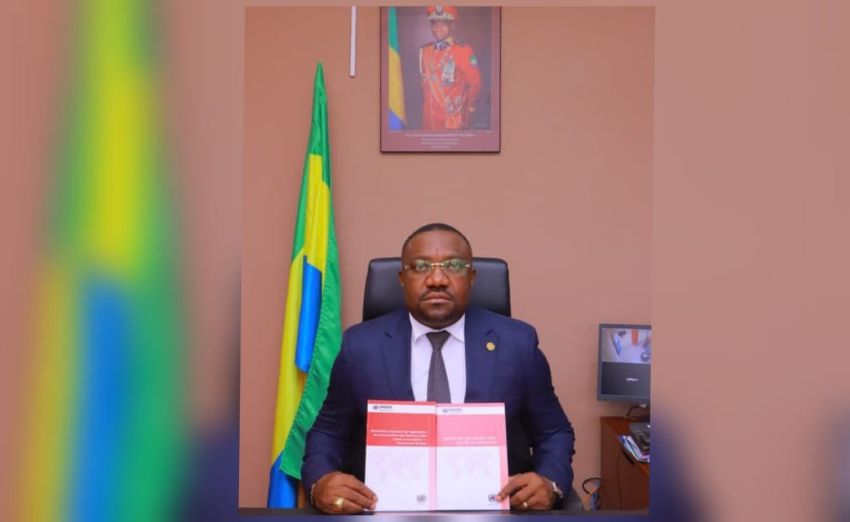
Libreville is preparing for more than just a routine visit from international delegates. At the end of June, the Gabon capital will become the center of a rigorous international assessment focusing on public governance, financial integrity, and the fight against systemic corruption.
From June 29 to July 1, 2026, a specialized team from the United Nations Office on Drugs and Crime will conduct an in-depth audit. Their objective is to evaluate the nation’s capacity to prevent corrupt practices, identify illegal financial movements, and reclaim assets lost to economic crimes.
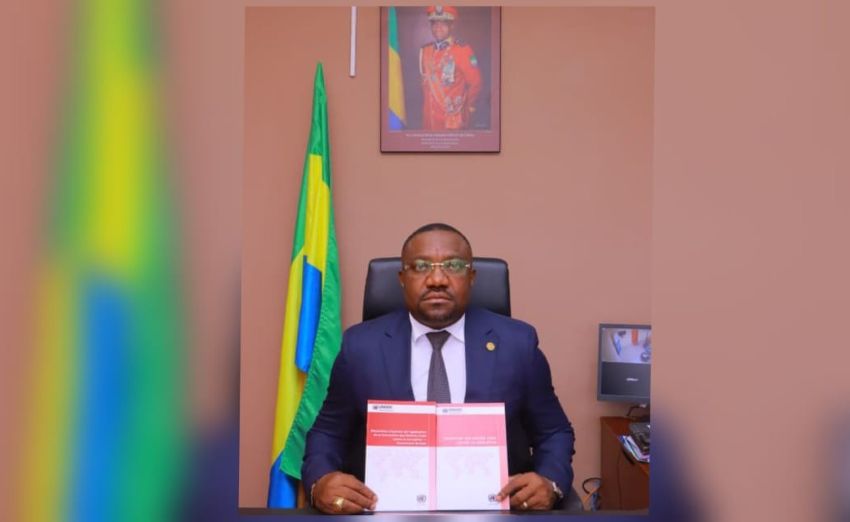
Beyond the institutional protocols lies a strategic reality. In a world where a state’s credibility is measured by the strength of its institutions as much as its economic output, this evaluation serves as a critical test of international confidence.
A rigorous look at governance
This mission represents the second phase of the review mechanism for the United Nations Convention against Corruption, the primary global legal framework for tackling unethical practices.
Gabon initiated this process in late 2025, submitting a self-assessment to experts from Chad and Libya, who are serving as the reviewing states. The upcoming sessions in Libreville will bridge the gap between theoretical regulations and practical application.
The audit focuses on two essential pillars: preventive strategies to minimize corruption risks within the civil service and the recovery of illicit assets—a critical component of modern international cooperation. Evaluators will scrutinize asset declaration protocols, public procurement transparency, ethical standards for government employees, and budgetary oversight. Key institutions, including the National Commission for the Fight Against Corruption and Illicit Enrichment (CNLCEI) and the National Financial Investigation Agency (ANIF), are fully engaged in this process.
The global challenge of illicit asset recovery
The most complex aspect of this evaluation lies in the recovery of stolen funds. In an era where financial crimes involve intricate cross-border schemes and sophisticated laundering techniques, the ability of a state to track and seize these assets is a definitive marker of institutional maturity.
For Gabon, the stakes are high. The goal is to prove that national frameworks align with international benchmarks and that local authorities possess the technical tools to safeguard public wealth. This performance is closely watched by global financial partners, credit rating agencies, and investors who prioritize governance when assessing risk.
Building institutional credibility
The true value of this exercise goes beyond technical reports; it serves as a powerful signal of intent. In a global landscape demanding accountability, nations that open their doors to independent scrutiny demonstrate a genuine commitment to reform rather than mere self-satisfaction.
By participating in this review, Gabon seeks to pinpoint existing vulnerabilities and enhance its collaboration with international partners. This is not merely an administrative hurdle but a strategic opportunity to show that anti-corruption efforts are a fundamental part of state modernization. In today’s economy, the quality of a nation’s governance is just as vital as its natural resources. The meeting in Libreville is a rare chance to prove that transparency is a concrete reality.