
Gabon’s push to reduce dependence on Karpowership energy contracts
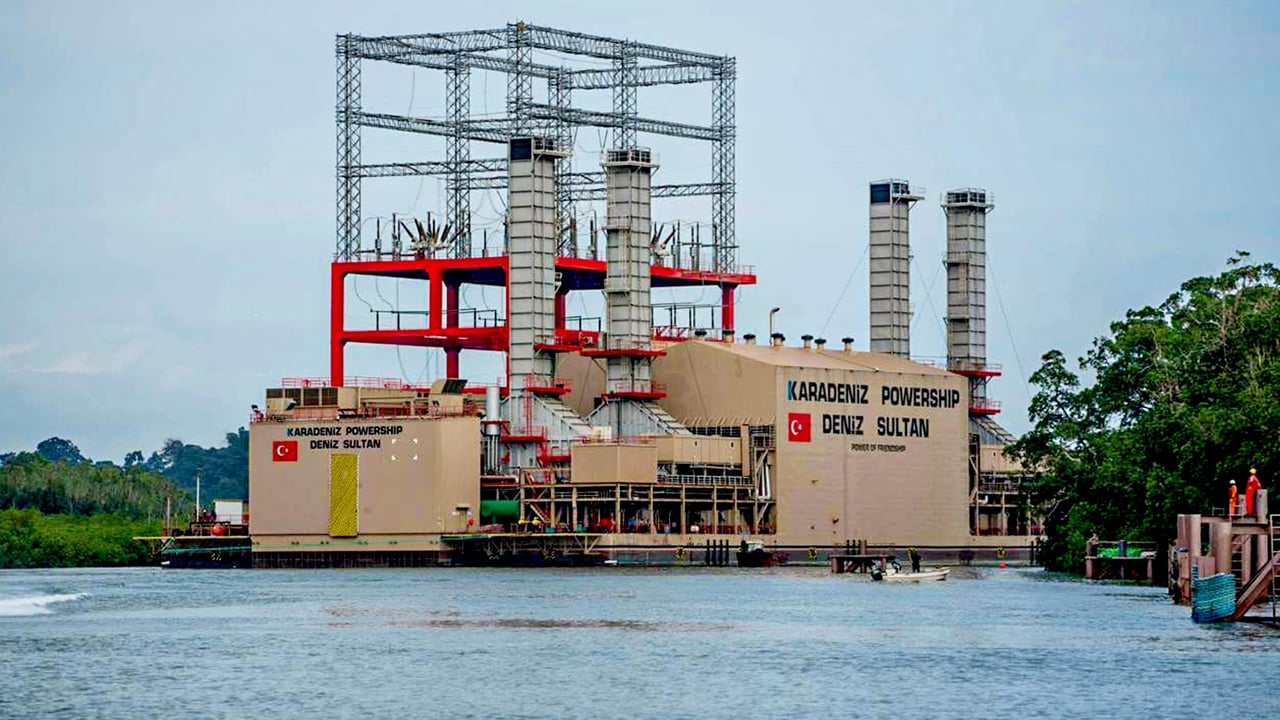

The Gabonese government is actively pursuing a strategic shift to diminish its reliance on Karpowership for energy supply, marking a pivotal change in the nation’s power infrastructure strategy. This move reflects broader efforts to enhance energy sovereignty and reduce long-term contractual obligations tied to imported floating power plants.
The transition comes amid rising concerns over cost efficiency and sustainability, with authorities exploring alternative solutions to secure stable electricity generation. Key stakeholders, including President Brice Clotaire Oligui Nguema’s administration, are prioritizing partnerships with established energy firms like EDF and leveraging local utilities such as the Société d’énergie et d’eau du Gabon (SEEG) to drive this initiative forward.
Challenges in reducing Karpowership dependency
The path to energy autonomy is fraught with hurdles. Gabon’s power grid, historically dependent on Karpowership’s floating facilities, faces technical and financial constraints in rapidly scaling alternative energy sources. Infrastructure gaps and the need for substantial investment in renewable and conventional power plants complicate the transition.
Moreover, contractual obligations with Karpowership—though providing immediate relief—have imposed long-term financial burdens. Analysts highlight the urgency of diversifying energy inputs while ensuring uninterrupted supply during the transition period.
Government’s energy diversification blueprint
To achieve its goals, the Gabonese administration is accelerating negotiations with international energy providers and investing in domestic capacity. The strategy includes:
- Expanding natural gas utilization to bolster baseload power generation, reducing reliance on imported diesel and heavy fuel oil.
- Accelerating solar and hydroelectric projects to diversify the energy mix and enhance grid resilience.
- Strengthening SEEG’s operational capacity through targeted modernization and technical upgrades.
- Negotiating phased exits from Karpowership contracts where feasible, aligning with broader economic and environmental objectives.
Role of strategic partnerships
Collaboration with industry leaders like EDF is central to Gabon’s energy transition. The French utility’s expertise in large-scale power projects offers a model for sustainable infrastructure development. Meanwhile, SEEG’s role in distribution and maintenance remains critical to maintaining service quality during the transition.
Industry observers note that leveraging both foreign expertise and local resources will be key to overcoming current limitations and ensuring a smooth shift away from Karpowership’s dominance in the energy sector.
Future outlook: Balancing cost and sustainability
While the move away from Karpowership presents challenges, it also opens opportunities for Gabon to align its energy sector with global sustainability trends. The government’s focus on long-term cost reduction and environmental stewardship underscores a commitment to modernizing the nation’s power infrastructure.
As Gabon navigates this transition, the interplay between policy, investment, and execution will determine the success of its energy sovereignty ambitions. Stakeholders remain cautiously optimistic, emphasizing the need for careful planning to avoid disruptions in electricity supply.