
Gabon’s SEEG crisis: presidential dialogue seeks lasting solutions
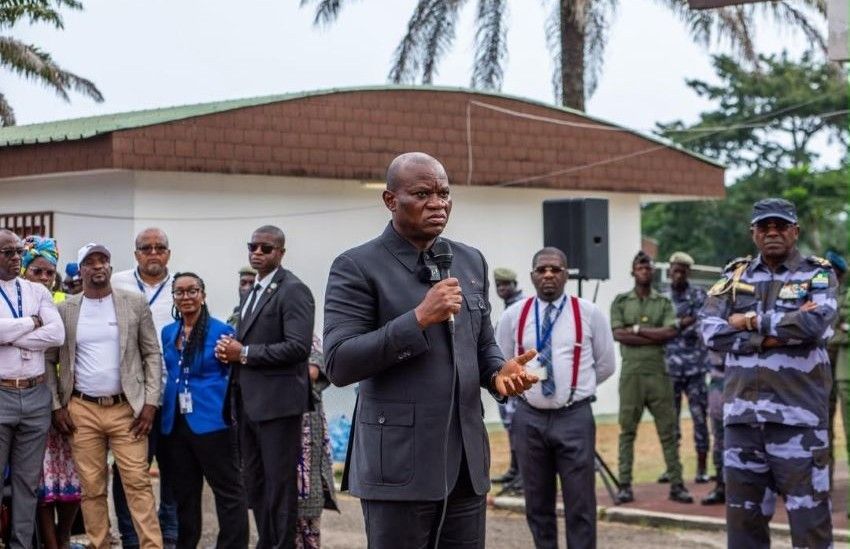
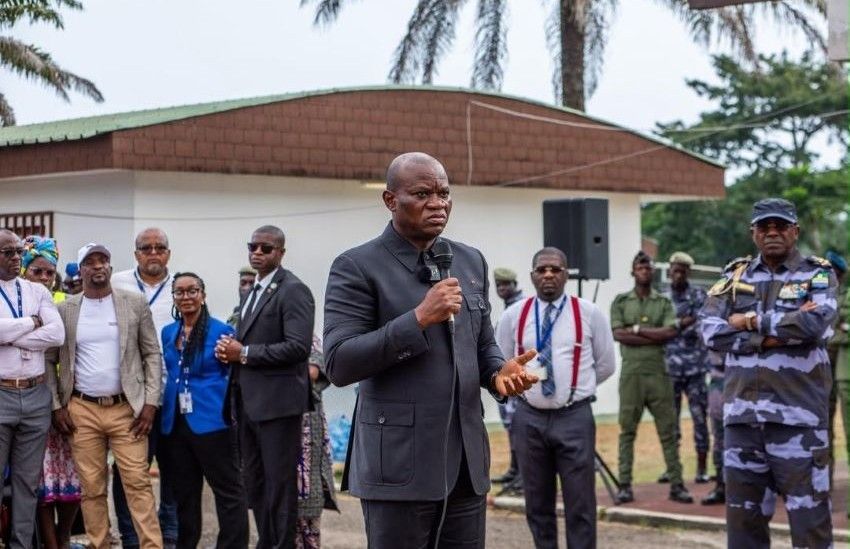
Libreville, June 30, 2026 — In a departure from standard crisis management protocols, President Brice Clotaire Oligui Nguema personally engaged with Société d’Énergie et d’Eau du Gabon (SEEG) employees at the Jean Violas training center in Owendo. The three-hour session reflected a deliberate shift toward direct dialogue in addressing Gabon’s most pressing public service challenges.
The meeting, initiated at the request of SEEG staff, comes amid mounting public frustration over persistent service disruptions, aging infrastructure, and governance concerns. For years, water shortages and electricity blackouts have dominated national conversations, making energy reliability a cornerstone of economic and social progress.
A candid exchange on systemic challenges
Employees seized the rare opportunity to voice unfiltered concerns about operational inefficiencies, technical bottlenecks, and management shortcomings. Their candid assessment revealed a consensus: sustainable recovery requires collective accountability, not just financial investment. The discussion underscored that SEEG’s transformation demands systemic changes in governance, workflow practices, and performance culture—not merely infrastructure upgrades.
Governance reform takes center stage
The President’s response focused squarely on governance. He emphasized that transparency, rigorous oversight, and a commitment to the public interest are non-negotiable for meaningful reform. This stance aligns with broader government efforts to revitalize public services, where trust between institutions and citizens has eroded over time. The overarching goal? A SEEG that prioritizes service quality, operational efficiency, and citizen satisfaction.
Water and electricity as engines of national progress
President Oligui Nguema framed access to clean water and reliable electricity as fundamental pillars for Gabon’s development. These services, he argued, are critical to economic competitiveness, public health, education, and overall quality of life. The administration’s heightened focus on the energy sector reflects this strategic vision, recognizing its direct impact on both growth and social cohesion.
During the visit, the President also evaluated the Jean Violas training center’s role in upskilling the workforce—a key component of SEEG’s modernization plan. Strengthening technical expertise is now seen as essential to bridging gaps between current capabilities and future demands.
As the meeting concluded, SEEG staff reaffirmed their commitment to collaborating with authorities in this transformative effort. The shared ambition is clear: a revitalized SEEG that delivers consistent, high-quality services to meet Gabon’s evolving needs. In a nation where energy challenges shape economic prospects, this dialogue signals a pivotal shift—one rooted in accountability, collaboration, and a shared vision for progress.