
Goma’s economy strained by border closure with Rwanda
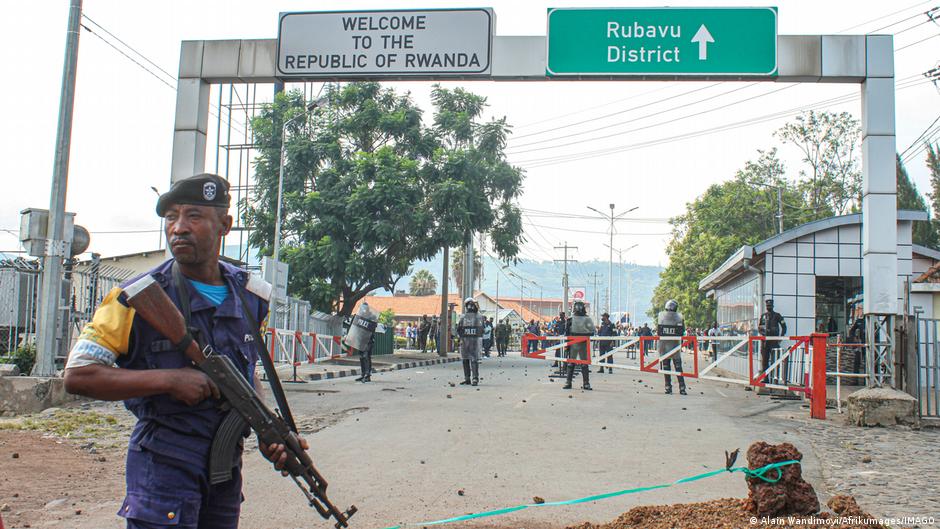
The bustling city of Goma, heavily reliant on cross-border trade and financial flows with neighboring Rwanda, now faces severe disruptions in commercial activity following the closure of key border crossings. Residents—from street vendors to economic analysts—are already feeling the ripple effects of this unprecedented measure.
Rwanda implemented strict border restrictions, including enhanced sanitary controls at all entry points, as part of broader efforts to curb the spread of Ebola. While aimed at public health safety, these measures have inadvertently crippled the local economy in Goma, where daily trade with Gisenyi had long been a lifeline.
Street vendors bear the brunt of lost trade
Jacques Safari, a long-time street vendor near the Goma border, has seen his earnings plummet since the closure. Once selling up to five trays of eggs daily, he now struggles to move even two—a direct consequence of the drastic drop in foot traffic from travelers who once formed his core customer base.
“Most of my customers were cross-border travelers,” he explains. “Without them, the economic squeeze is unbearable.”
Wholesalers grapple with supply chain breakdowns
The ripple effects extend to Birere Market, where wholesalers are scrambling to adapt. Hamuli Kasilembo, a supplier in the market, highlights the dual challenge of dwindling imports from Rwanda and shrinking demand. “The flow of goods and money has nearly halted,” he notes, adding that transactions have become erratic and logistical hurdles nearly insurmountable.
Economists warn of deeper financial distress
Alphonse Muanda, an economist tracking the border’s economic role, emphasizes that daily trade between Goma and Gisenyi is a cornerstone of local livelihoods. “Small traders, in particular, depend entirely on these exchanges for their daily survival,” he says. “From rice and soap to other essentials, the supply chain’s collapse leaves them stranded.”
With the border closure still in effect, residents of Goma fear the situation will worsen, pushing more families into economic hardship in the coming weeks.