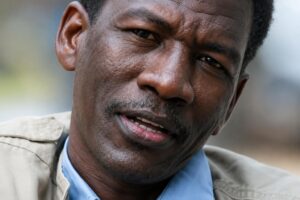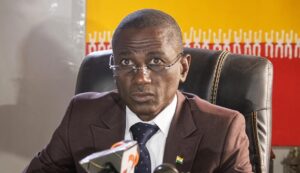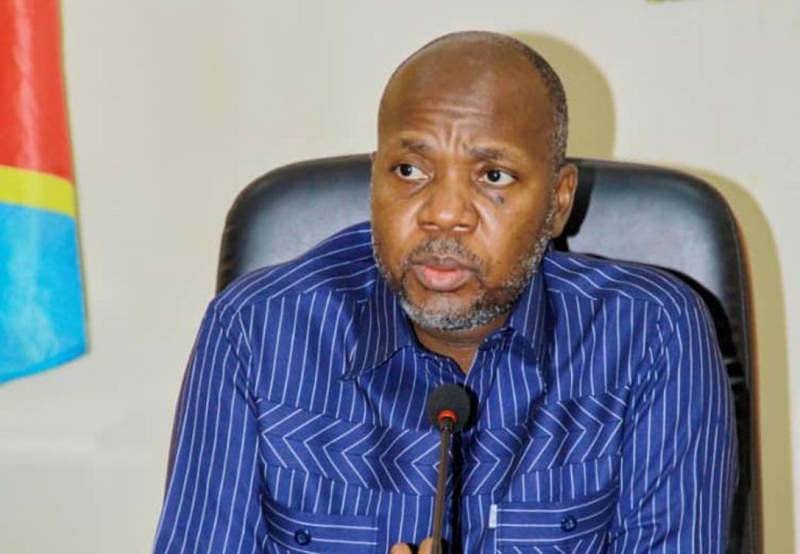

In response to growing speculation regarding the security situation in Isiro and alleged ties between Governor Jean Bakomito and Corneille Nangaa, the communication department of the Haut-Uele provincial government has issued a firm clarification. Muammar Awoni, the head of the communication cell, addressed the claims directly to set the record straight.
According to the official statement, there was no shutdown of economic activities in Isiro on June 17, 2026. The governorate asserts that local observations contradict any reports of a general strike or paralysis. Furthermore, the claim regarding the closure of educational institutions was dismissed; the administration noted that schools were simply following the standard academic calendar for the end of the year in the Democratic Republic of the Congo. No authorized demonstrations or marches were recorded on that specific date.
Governor Bakomito’s commitment to regional peace
The communication cell questioned the basis of any narrative linking Governor Jean Bakomito Gambu to Corneille Nangaa. They emphasized that Bakomito has been a leading figure in the Grande Orientale region, actively working to mobilize the population against those threatening the republic. This includes opposing the alliances formed by Corneille Nangaa and his partners, who are widely blamed for the violence and loss of life in the eastern part of the country through the AFC/M23 movement.
The administration highlighted that recent incidents of urban crime that briefly disturbed Isiro have been successfully brought under control. Currently, no major security threats are reported within the city limits. In the broader territory, specifically in areas like Watsa and Mungbere where ADF elements were spotted, the situation is reportedly being managed by the FARDC.
Military support and logistics
The governorate pointed out that the presence of the Deputy Chief of General Staff of the FARDC in charge of operations and intelligence in the province demonstrates the national government’s focus on local security. To support these efforts, Governor Jean Bakomito has personally overseen the provision of vehicles and significant logistical resources to the armed forces to enhance their operational capacity on the ground.
The official response characterizes the accusations against the provincial authority as groundless attempts to damage his reputation. They maintain that the governor remains focused on the vision of President Félix-Antoine Tshisekedi Tshilombo to consolidate peace and development across the country.
Contradictions within the provincial government
Despite the firm denials from the communication cell, some internal discrepancies have emerged. While Muammar Awoni denied any paralysis of activities on June 17, the Provincial Minister of Communication and government spokesperson, Emmanuel Arama Odingo-Kiro, had previously acknowledged the public’s right to express concerns. In a separate statement, the minister noted that while the government takes security grievances seriously, a day of paralysis or a public demonstration should not be misinterpreted as evidence of the governor’s complicity with armed groups.
The allegations of a connection between the governor and Corneille Nangaa appear to stem from local rumors during this period of heightened tension. By issuing this formal rebuttal, the Haut-Uele leadership aims to silence these reports and reaffirm its loyalty to the central government and the security of its citizens.