M23 leadership denounces international silence amid escalating tensions in East DRC
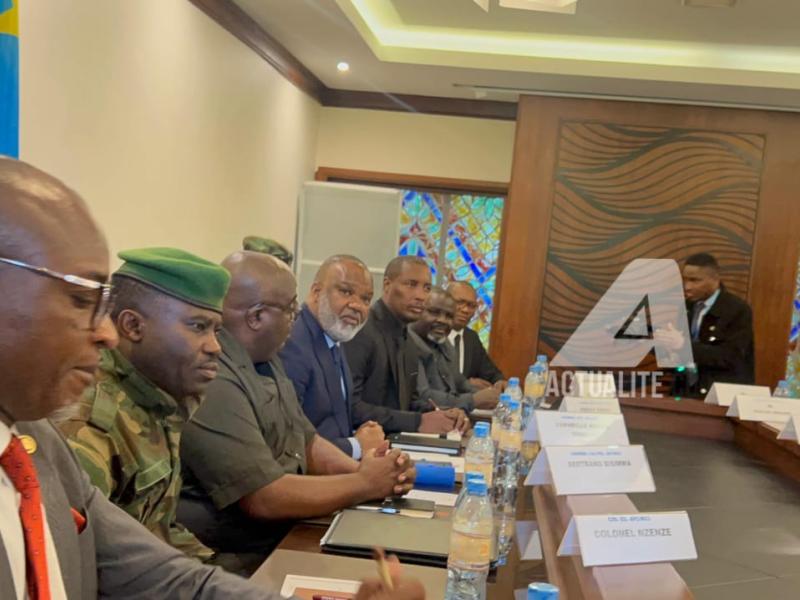
The AFC/M23 movement, through its political coordinator Corneille Nangaa, has issued a sharp rebuke of what it describes as “irresponsible” and “warmongering” rhetoric from President Félix Tshisekedi. The criticism follows a speech delivered by the Congolese head of state in Houston, United States, where he addressed a group of citizens after a football match. During his remarks, the president vowed an imminent military reconquest of territories currently held by the politico-military rebel group.
Speaking from Goma, the provincial capital of North Kivu, Corneille Nangaa expressed bewilderment at the international community’s passive stance toward Kinshasa’s current trajectory. He argued that the lack of reaction from global partners and peace process mediators is bordering on complicity. According to the rebel leadership, the international community is fully aware of the intensifying attacks launched by government forces, which they claim violate existing diplomatic commitments aimed at de-escalation.
Accusations of diplomatic sabotage
“In the face of this dramatic situation and the resulting calamities, we have a responsibility before God, history, and the nation to highlight this deafening silence from mediators and peace partners,” Nangaa stated. He emphasized that global actors possess detailed intelligence regarding the reality on the ground, including civilian casualties and the specific actors responsible for the violence.
The AFC/M23 coordinator specifically pointed to the mediators of the Doha peace talks, diplomatic missions, and international human rights organizations, accusing them of failing to act as the security and humanitarian situation worsens across the region, particularly in the High Plateaus of Minembwe. He warned that this inaction fosters a climate of impunity and encourages further hostilities.
Disparity between diplomacy and reality
Corneille Nangaa further criticized the tendency to treat the conflict in the East as a secondary concern due to its distance from Kinshasa. He accused Félix Tshisekedi of consistently undermining peace efforts while international partners watch without intervening. “We refuse to let the suffering of the populations in Eastern Congo be treated as a peripheral tragedy,” he added, citing a series of “manipulations and intrigues” by the administration in Kinshasa.
The rebel group claims that while they have released hundreds of prisoners of war as a confidence-building measure, the government has failed to implement any reciprocal actions. Instead, they point to a continuous military buildup and the deployment of new forces as evidence that Kinshasa is not acting in good faith regarding the de-escalation process.
This verbal escalation between the Congolese government and the AFC/M23 occurs despite ongoing diplomatic initiatives, such as the Washington agreements and the Doha process. While these frameworks aim to establish a lasting ceasefire and restart dialogue, concrete results remain elusive. On the ground, the gap between diplomatic paperwork and the reality of active combat continues to widen, with each side offering conflicting interpretations of peace commitments.