
Mali crisis: jihadist blockades fuel famine as government rules out talks
The government of Mali has reaffirmed its refusal to engage in dialogue with armed jihadist groups currently occupying parts of the country, despite mounting pressure from both local and international voices. Speaking to the diplomatic corps in Bamako, Foreign Minister Abdoulaye Diop delivered a firm statement: «We must be clear: the government will not negotiate with lawless terrorist groups responsible for years of suffering endured by our people.»
With no diplomatic resolution in sight, the Malian authorities have doubled down on their military strategy. Reports indicate that new military equipment, including arms and vehicles supplied by Russia, has recently arrived in the country, according to information confirmed by regional correspondent Serge Daniel. The primary objective remains the retaking of key territories, particularly the city of Kidal, now under the control of armed factions.
Humanitarian catastrophe deepens as blockades paralyze supply routes
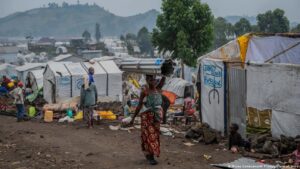
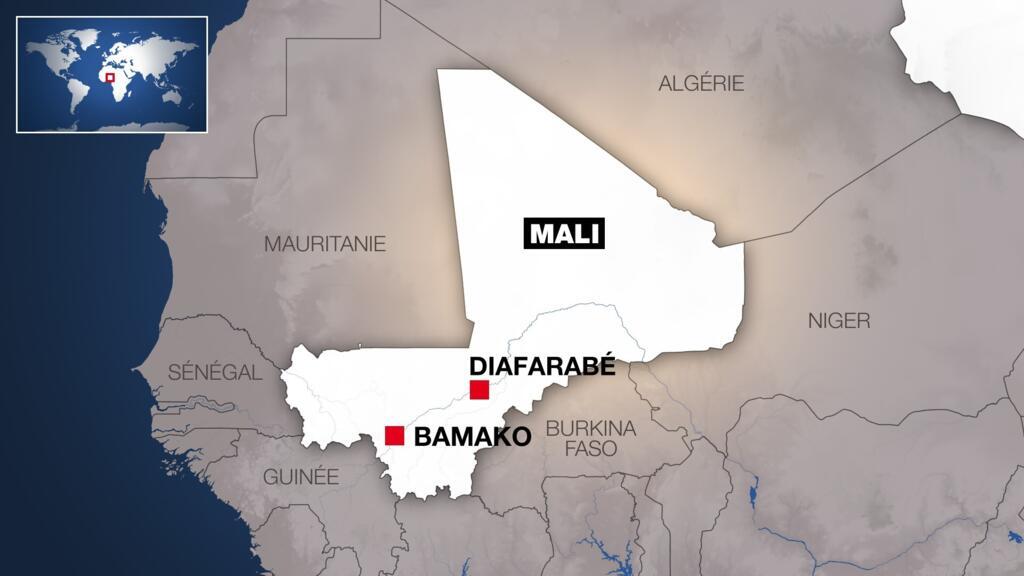
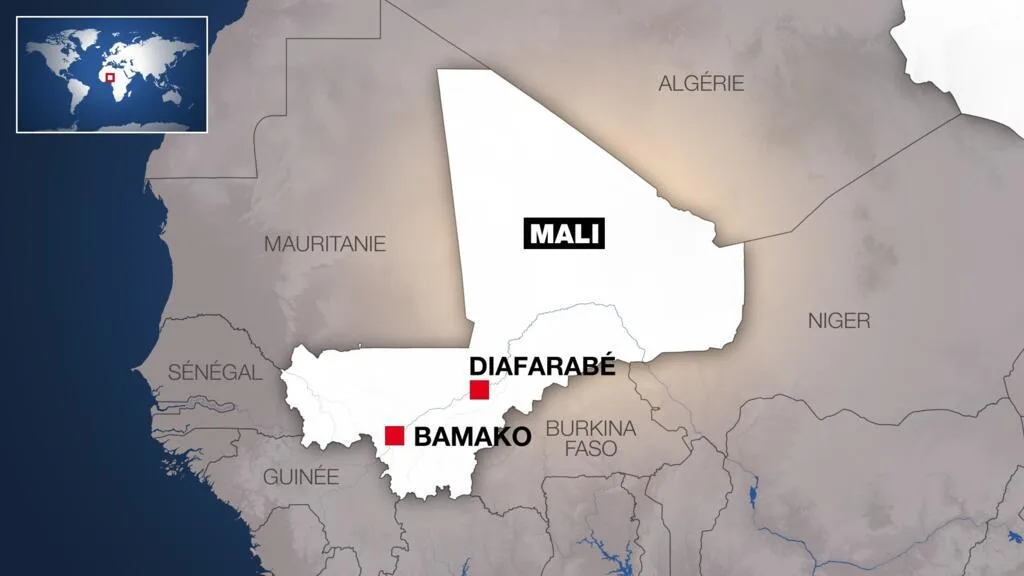
The jihadist-imposed blockades have crippled critical supply routes, leaving thousands stranded. This past weekend, hundreds of vehicles carrying passengers and goods remained trapped at various checkpoints across the country. In the central region of Mopti, specifically in Diafarabé, the situation has reached a critical juncture. The town has been under siege by the JNIM (Group for the Support of Islam and Muslims) for nearly a year—since May 12, 2025—cutting off access to essential supplies.
Residents in Diafarabé have issued desperate pleas for assistance, which have so far gone unanswered by local authorities. Food shortages have escalated into a full-blown famine, while medical supplies and healthcare services have dwindled to near-nonexistent levels. The population is trapped in a cycle of fear, isolation, and desperation, as one resident shared with RFI in a heart-wrenching testimony:
«No one enters, no one leaves. The blockade is total. All the food we had is gone. Famine is setting in. We spoke with military detachment leaders, and they promised to send a convoy with supplies soon, but we’re still waiting. And this only happened after young people and women took to the streets in protest. Now, it’s pure despair! There’s nothing left!
During the flood season, we managed to smuggle in small amounts of food via river routes, despite the risks. I was shot in one of those attempts and broke my arm. Things have improved slightly since then, but we’re now fighting for survival. All we want is food—nothing else matters right now.»
Military escalation targets key rebel strongholds
In response to the ongoing crisis, Malian forces, backed by Russian mercenaries, have repositioned their troops to Aguelok, a strategically vital location near Kidal. This move follows the abandonment of two smaller localities in the region, signaling a potential shift in the government’s offensive strategy. The authorities are determined to reclaim control of Kidal, a symbolic stronghold of jihadist activity in northern Mali.
Meanwhile, the humanitarian crisis continues to escalate, with blockades disrupting not only food and medical deliveries but also fueling economic stagnation. The international community has yet to intervene effectively, leaving civilians to bear the brunt of a conflict that shows no signs of abating.

Related Posts