
Morocco leverages tourism to cement control over Western Sahara
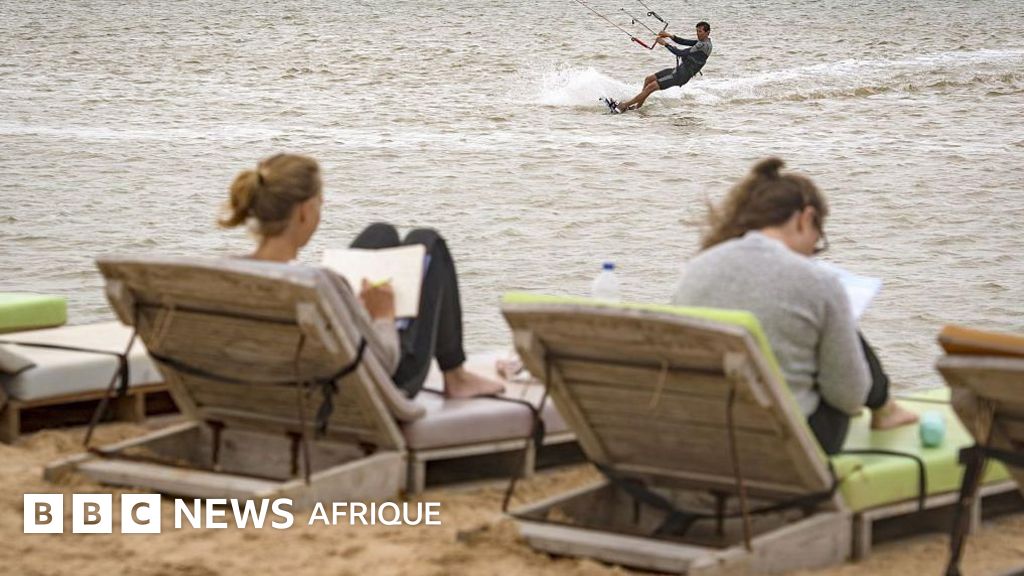
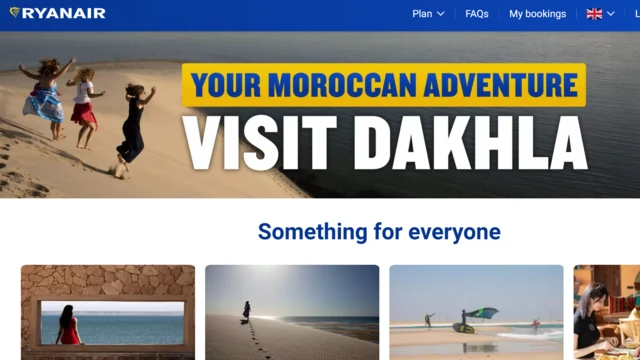
The marketing emails are enticing: invitations to a “next Moroccan adventure” featuring the windswept shores of Dakhla. This city, perched on a narrow peninsula where the Sahara desert meets the Atlantic, is being positioned as a premier travel destination. With round-trip flights from Madrid starting as low as 30 euros and a growing array of luxury resorts, the region is being rebranded as the hidden jewel of Morocco.

However, behind the glossy advertisements lies one of the world’s most enduring territorial disputes. Dakhla is located in Western Sahara, a region the United Nations classifies as a “non-self-governing territory.” While the UN maintains that the local population has the right to self-determination, approximately 80% of the area is currently administered by Morocco, which refers to the region as its “southern provinces.”
A surge in visitor numbers
The strategy to normalize Moroccan sovereignty through leisure seems to be working. Data from the Moroccan Ministry of Tourism reveals that visitor numbers to the Moroccan-controlled sections of Western Sahara have climbed by over 50% in the last seven years, rising from roughly 490,000 in 2019 to over 743,000 by 2025.
This growth is largely supported by new flight paths. Major carriers including Ryanair, Transavia France, and Binter Canarias now offer direct connections to the territory from Madrid, Paris, and the Canary Islands. While most of these airlines market the destinations as being within Morocco, Binter Canarias remains an outlier, still identifying the region as Western Sahara.
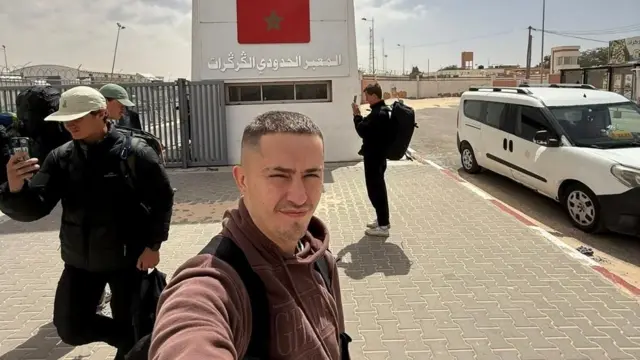
Travelers arriving in Dakhla find a city where the Moroccan flag flies prominently and passports are stamped with Moroccan entry marks. One visitor noted that while massive resort construction is underway, many sites still feel empty, suggesting the tourism industry there is in its early stages of development.
Legal and ethical concerns
Human rights organizations and legal scholars have voiced alarm over this trend. Erik Hagen of Western Sahara Resource Watch warns that marketing these areas as Moroccan destinations distorts international law and public perception. He suggests that such corporate activity raises questions about due diligence in occupied territories.
Major booking platforms like Expedia, Booking.com, and Trivago also list Western Sahara hotels as being in Morocco. Booking.com stated that they provide global government travel advisories to help users make informed decisions in conflict-affected regions. Conversely, Airbnb recently changed its policy, no longer listing Western Sahara properties as being in Morocco following pressure from activists.
Dr. Andrea Maria Pelliconi, an expert in international human rights law, argues that failing to distinguish the territory’s status could lead to legal challenges. These might involve violations of the Sahrawi people’s right to self-determination and consumer protection laws regarding accurate information.
The political stalemate
Western Sahara was a Spanish colony until 1976. After Spain‘s departure, Morocco claimed the land, leading to an armed conflict with the Front Polisario, who seek independence. A 1991 ceasefire promised a referendum on self-determination, but the vote has never taken place. Today, the Front Polisario controls only a small eastern strip of the territory.
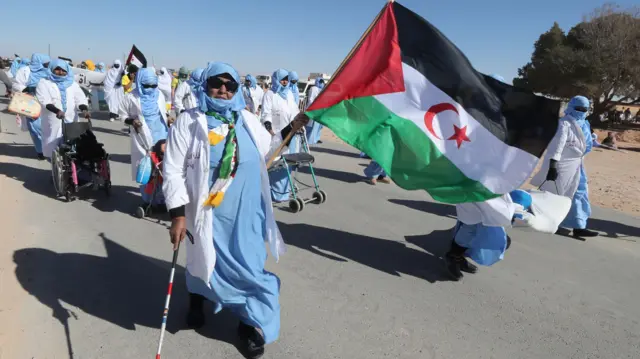
Sidi Breika, a representative for the Front Polisario, views the tourism push as an attempt to create a “fait accompli.” He argues that economic projects in the region violate Sahrawi rights and mentioned that the group is considering legal action against companies like Ryanair.
In recent years, the United States recognized Morocco‘s claim over the territory as part of a diplomatic deal involving Israel. Furthermore, the UN Security Council recently signaled support for Morocco‘s autonomy plan as a viable path forward. Despite these shifts, the Front Polisario remains firm in its rejection of any proposal that does not include full independence, asserting that tourism cannot replace the people’s will to decide their own future.