
Morocco reaffirms commitment to libyan political settlement at african union
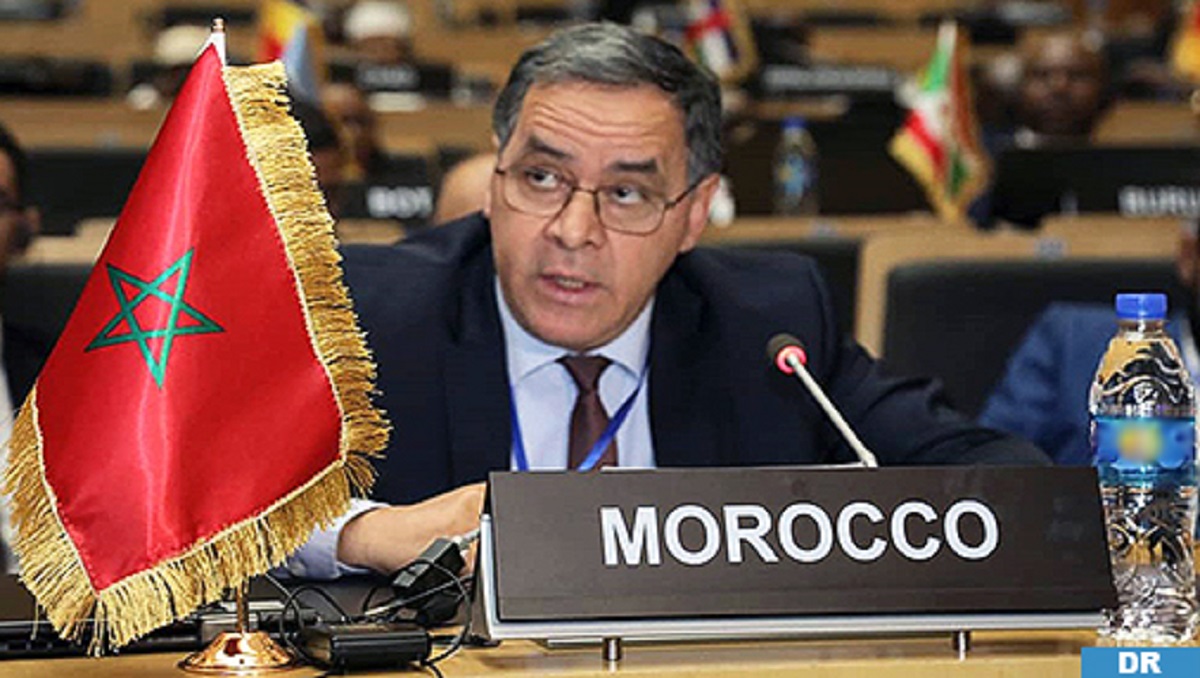
The Kingdom of Morocco has once again underscored its unwavering commitment to fostering a political resolution in Libya during a high-level session at the African Union’s Peace and Security Council.
Speaking on behalf of Rabat, Ambassador Mohamed Arrouchi highlighted the Kingdom’s persistent mediation efforts, tracing a path from the Bouznika talks to the most recent discussions between representatives of Libya’s western and eastern factions.
Skhirat agreement remains cornerstone for lasting peace
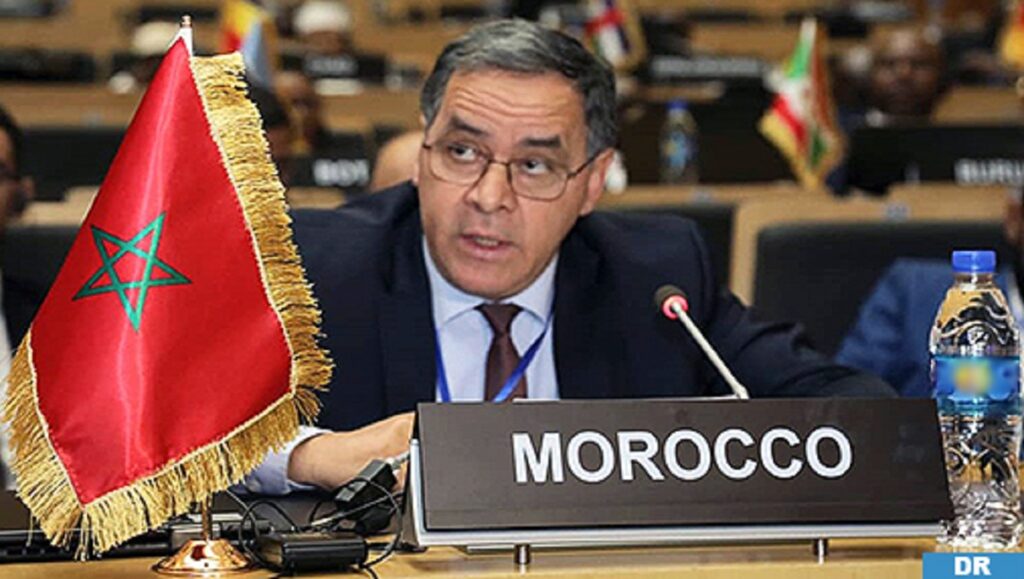
During his address, Ambassador Arrouchi emphasized that the 2015 United Nations-backed Skhirat Agreement continues to serve as a vital framework for achieving a durable solution to Libya’s protracted crisis. He stressed the Kingdom’s support for national reconciliation initiatives and dialogue among Libya’s divided factions, while underscoring the critical importance of upholding the country’s unity, sovereignty, and territorial integrity.
The Moroccan envoy also commended the African Union’s ongoing efforts to promote peace, security, and stability across the continent, particularly those aimed at facilitating a political settlement in Libya. He highlighted the Kingdom’s active role in bridging divides between Libyan stakeholders through sustained diplomatic engagement.
Recent diplomatic breakthroughs
Ambassador Arrouchi also drew attention to the landmark agreement signed in Tripoli on January 7, 2026, between representatives of the Government of National Unity and the Libyan eastern administration. This development followed productive meetings held in both Tripoli and Zenten, demonstrating tangible progress toward national cohesion.
The Moroccan diplomat reiterated that these initiatives align with international legality, the provisions of the Skhirat Agreement, and the Bouznika understandings. He called for continued priority on political solutions over military escalation, reinforcing Morocco’s stance as a steadfast advocate for dialogue and stability in the region.