
Morocco strengthens ties with Mali amid rising tensions with Algeria
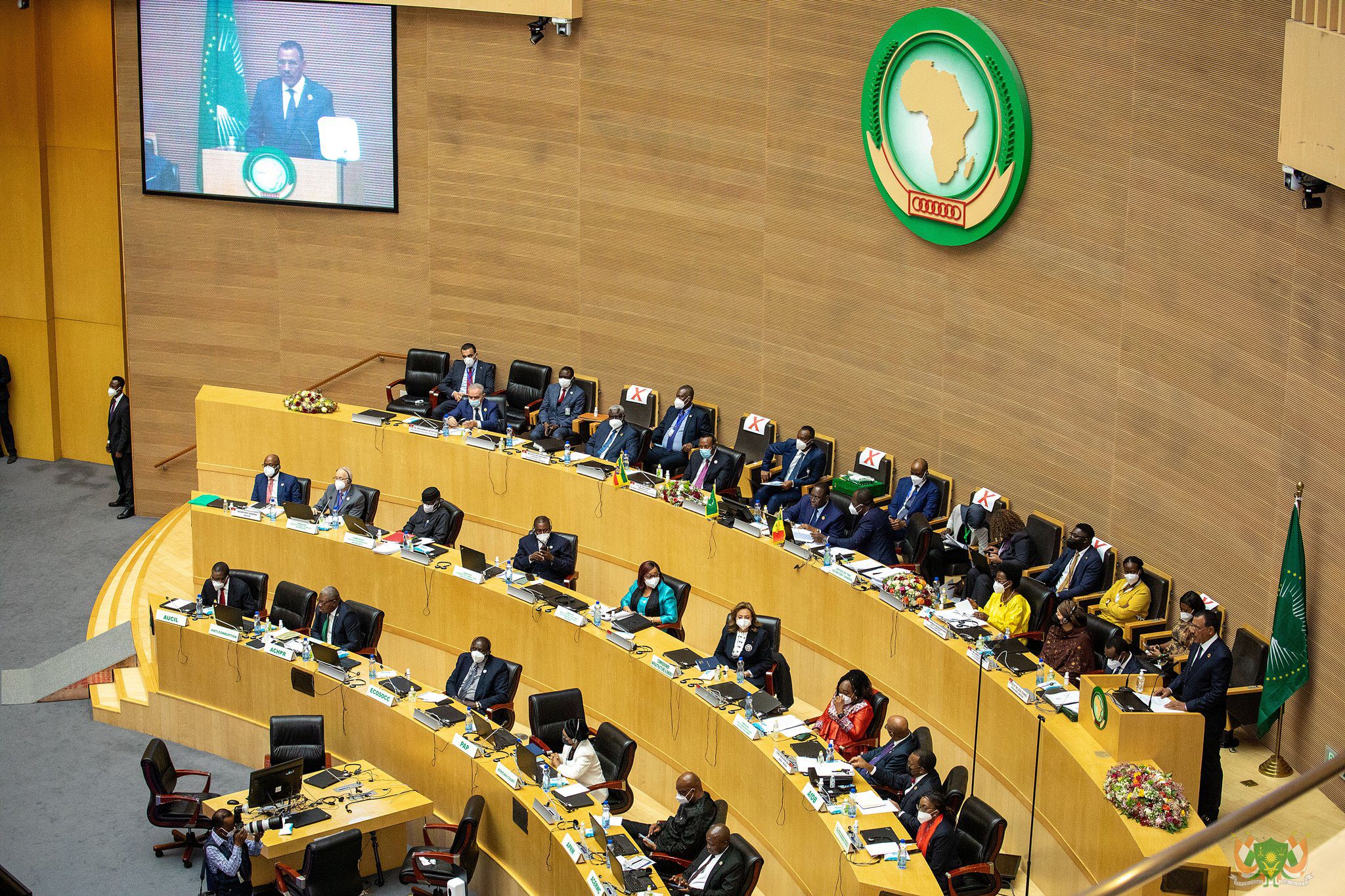
Marrakech – The Kingdom of Morocco has reaffirmed its steadfast support for Mali following a wave of coordinated terrorist and separatist attacks that struck multiple cities across the West African nation last weekend. Speaking before the African Union Peace and Security Council (AU PSC), Morocco’s delegation condemned these acts with the utmost severity, offering heartfelt condolences to the families of the victims and the Malian people.
Morocco’s representatives underscored the Kingdom’s unwavering commitment to Mali’s sovereignty, security, and territorial integrity. They emphasized the need for immediate and coordinated financial mobilization to bolster Mali’s response efforts in collaboration with its authorities.
This stance builds upon Morocco’s swift response following the attacks. A Moroccan diplomatic source stated on the day of the assaults, “The Kingdom of Morocco denounces these heinous and cowardly acts with unrelenting firmness,” reaffirming Rabat’s backing for Mali’s government in combating terrorism and separatism across the Sahel region.
Unprecedented attacks shake Mali’s stability
The coordinated assaults, launched by jihadists affiliated with al-Qaeda’s Jama’at Nusrat al-Islam wal Muslimin (JNIM) alongside Tuareg separatists from the Front de Libération de l’Azawad (FLA), targeted seven major cities, including Bamako, Kati, Kidal, and Gao. The violence resulted in the tragic loss of Defense Minister General Sadio Camara in a suicide bombing at his residence in Kati. Junta leader General Assimi Goita remains unaccounted for since the attacks, and the strategic city of Kidal has fallen under rebel control, prompting the withdrawal of Russian Africa Corps mercenaries under a negotiated agreement.
Algeria’s alleged shadow war against Mali
While Morocco stands firmly with Mali, analysts are drawing attention to what they describe as Algeria’s covert campaign to destabilize the country. This alleged strategy intensified following Mali’s recent sovereign decision to withdraw recognition of the self-proclaimed Sahrawi Arab Democratic Republic (SADR) and officially endorse Morocco’s sovereignty over Western Sahara—moves perceived as a direct challenge to Algeria’s regional influence.
Algeria’s strategic retaliation
Algeria’s diplomatic and military posture in the Sahel has long revolved around leveraging regional conflicts, particularly the Western Sahara issue, to maintain its dominance. The abrupt shift in Mali’s alignment has exposed the fragility of Algiers’ carefully constructed influence, prompting observers to interpret the recent attacks as punitive measures against Bamako’s strategic pivot.
Mali has previously accused Algeria of harboring separatist factions and interfering in its internal affairs—a claim backed by extensive documentation of Algiers’ support for armed groups. The Polisario Front serves as a prime example of Algeria’s destabilizing tactics, with critics arguing that a similar playbook is now being deployed against Mali.
Information warfare and propaganda
In a synchronized move, Algeria’s state-affiliated media outlets launched an aggressive disinformation campaign within hours of the attacks. These platforms amplified separatist narratives, exaggerated military casualties, and spread unverified claims about key officials—sending a clear message: Mali’s alignment with Morocco comes at a price. This propaganda offensive starkly contrasts with Algeria’s domestic policy of suppressing reports of terrorism within its own borders, despite documented threats in regions like Blida and travel advisories issued by Western embassies.
The collapse of Algeria’s leverage
Mali’s recent abrogation of the 2015 Algiers Accord—a move justified by sustained hostile actions from Algeria—has stripped Algiers of its primary tool for exerting soft power over Bamako. The agreement had long served as a mechanism for maintaining armed groups as a perpetual threat to Mali’s stability. With this leverage now neutralized, Algeria appears to have escalated its tactics, employing proxy warfare, information operations, and territorial destabilization as forms of coercive diplomacy.
Morocco’s principled partnership with Mali
Morocco’s approach stands in stark contrast to Algeria’s, emphasizing mutual sovereignty and non-interference. In a June 2024 joint press conference with Burkina Faso’s Foreign Minister Karamoko Jean Marie Traoré, Morocco’s Foreign Minister Nasser Bourita articulated this doctrine plainly: “Morocco rejects the logic of those who lecture and blackmail Sahel nations.” He further highlighted Algeria’s role in destabilizing the region, stating that some countries seek to manage crises through coercion rather than genuine partnership.
Bourita emphasized that Morocco views Sahel nations as capable partners rather than vulnerable clients. “They do not need guardians, they need partners,” he stated, underscoring a commitment to collaboration rooted in respect and shared sovereignty. Regional analysts increasingly view Algeria’s tactics as emblematic of coercion disguised as solidarity, while Morocco’s stance is seen as a beacon of principled engagement in a volatile region.