Morocco uses religious moderation as a shield against extremism
Following the tragic events in Casablanca years ago, the Moroccan government pivoted beyond simple security measures. A comprehensive restructuring of the nation’s spiritual landscape was launched, focusing on the education of religious leaders and the active prevention of radical narratives.
This proactive stance is part of a broader framework designed to foster deradicalization and reinforce the country’s religious foundations against external threats. This strategy emphasizes prevention and the consolidation of moderate values within the faith.
The central role of the Commander of the Faithful
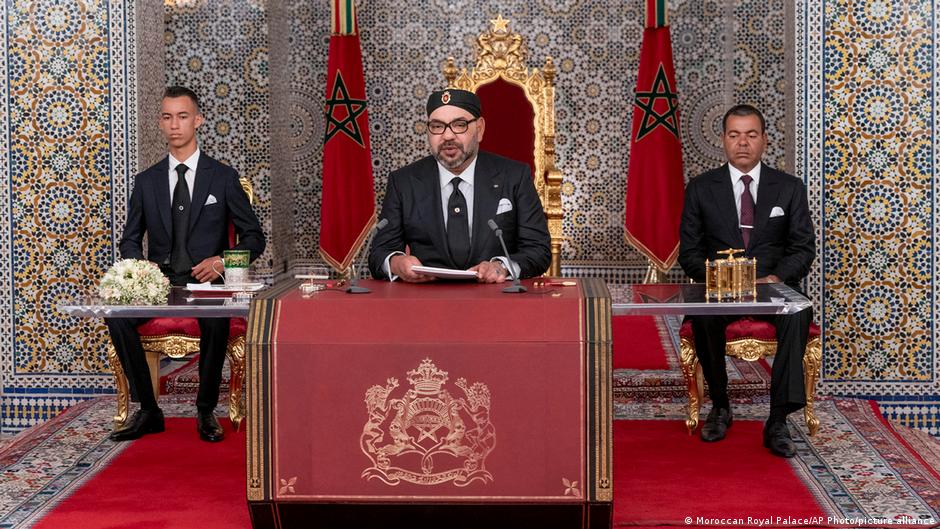
At the heart of this system is the institution of the Commander of the Faithful (Imarat al-Mouminine), a role held by King Mohammed VI and enshrined in the Moroccan Constitution. This position grants the monarch a unique spiritual authority, allowing him to guide doctrinal interpretations toward a moderate path.
What sets the Moroccan approach apart from other nations attempting to regulate religion is that this oversight happens from within the faith itself. The King is recognized as a legitimate spiritual guide rather than just a political supervisor.
This framework is built upon three specific doctrinal pillars: the Maliki school of law, the Ash’ari school of theology—which bridges faith and logic—and Sufism, which addresses the spiritual needs that extremist groups often try to exploit for their own ends.
Influencing stability across the Sahel
This original method of combining security with spiritual guidance has drawn significant attention from neighboring regions. In the context of Sahel current affairs, where the threat of militancy remains high, Morocco’s experience offers a compelling reference point for regional stability.
Experts on the ground in the Sahel note that while aspects of the Moroccan system are inspiring, they are difficult to replicate perfectly. The stability found in Morocco is deeply tied to the specific historical and spiritual status of the monarchy, a factor not present in many other countries in the region.
Nevertheless, initiatives like the Moussalaha program—which focuses on the social and religious reintegration of former detainees—and the Mohammed VI Institute, which trains hundreds of imams from across Africa, continue to promote a message of moderation throughout the continent.
Navigating digital challenges and structural limits
Despite its successes, the system faces modern hurdles. The standardization of religious messages prevents radicalism in official mosques, but some fear it can create a disconnect between institutional Islam and the daily lives of the people.
Furthermore, the digital age presents a major obstacle. Extremist rhetoric now flourishes in online spaces, often bypassing traditional institutional controls. This shift requires new strategies to maintain the effectiveness of religious regulation.
Ultimately, the Moroccan model is best understood as a source of inspiration rather than a simple template. Its success is rooted in local history, yet it provides vital lessons for any society seeking to build resilience against radicalization and internal division in a turbulent security landscape.