N’Djamena’s strategic triumph: Chad mobilizes $20.5 billion in private capital for national development

In a global landscape marked by fragmented funding and a decline in official development assistance, Chad has achieved a remarkable feat, thoroughly documented by the African Development Bank’s African Economic Outlook 2026. The nation’s ambitious National Development Plan (NDP) requires a total investment of $30 billion, with the private sector slated to contribute 46% of this sum. By November 2025, Chad had already successfully secured an impressive $20.5 billion in funding commitments. This included $16.4 billion from private and international investment sources, complemented by 40 signed agreements and memoranda of understanding totaling an additional $4.1 billion. For a country ranked 190th out of 193 on the 2025 Human Development Index, this exceptional ability to mobilize capital warrants close examination as a potential model for others.
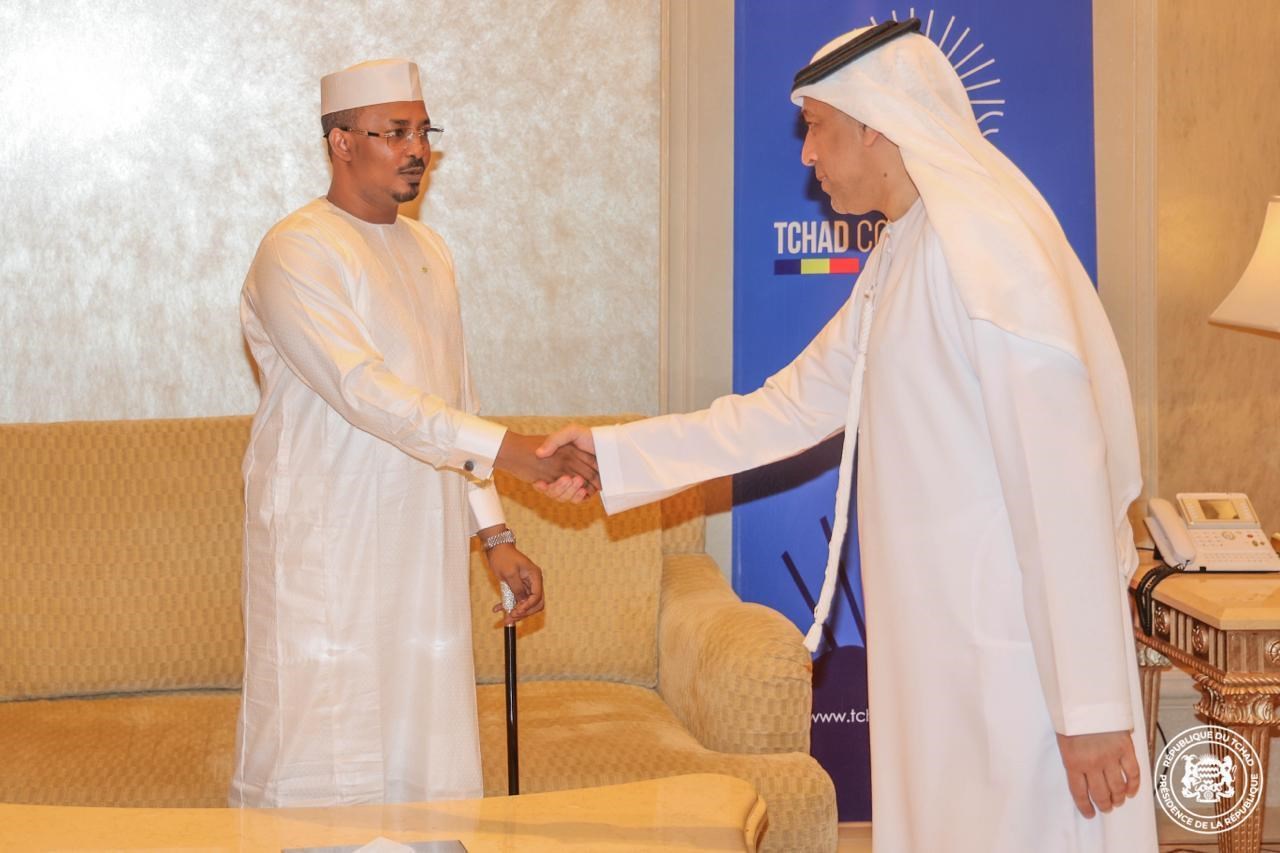
The cornerstone of this success lies in a meticulously executed strategy of partner diversification, a method few countries within the CEMAC zone have deployed with such precision. Our analysis reveals a robust diplomatic initiative that significantly strengthened Chad’s ties with the United Arab Emirates and the Islamic Development Bank. This strategic move effectively opened a critical channel for Islamic financing, a funding source previously almost nonexistent in the rest of the region. Concurrently, Chad reinforced its traditional multilateral support from institutions like the IMF, the World Bank, and the Islamic Development Bank, while also cultivating robust South-South partnerships, particularly with countries in the Middle East. This innovative triangulation of Western, Islamic, and South-South financing establishes a truly novel funding architecture in Central Africa.
Chad’s unwavering budgetary credibility has also been a pivotal factor in its capacity to attract such substantial investments. Despite the considerable expenditures associated with hosting over 1.5 million Sudanese refugees, the nation’s budget deficit remained below the 3% threshold mandated by the Economic and Monetary Community of Central Africa (CEMAC) in 2025. Public debt has been prudently maintained at a moderate 32% of GDP, positioning it among the lowest in the CEMAC region. This stringent fiscal discipline, combined with ongoing reforms aimed at broadening the tax base and digitizing tax collection processes, has sent a powerful signal of reliability to investors—a signal many wealthier economies often struggle to convey.
For development partners, Islamic financial institutions, and private investors seeking opportunities in Central Africa, Chad’s experience offers invaluable operational insights. It demonstrates that the massive mobilization of private capital does not inherently require a highly developed financial market or a high per capita income. Moving forward, N’Djamena intends to prioritize attracting private capital in the form of equity and further strengthening its regulatory framework to firmly embed this dynamic momentum. For Chad, this successful securing of $20.5 billion marks the initial phase of a profound economic transformation, one that international institutions are observing with considerable interest.