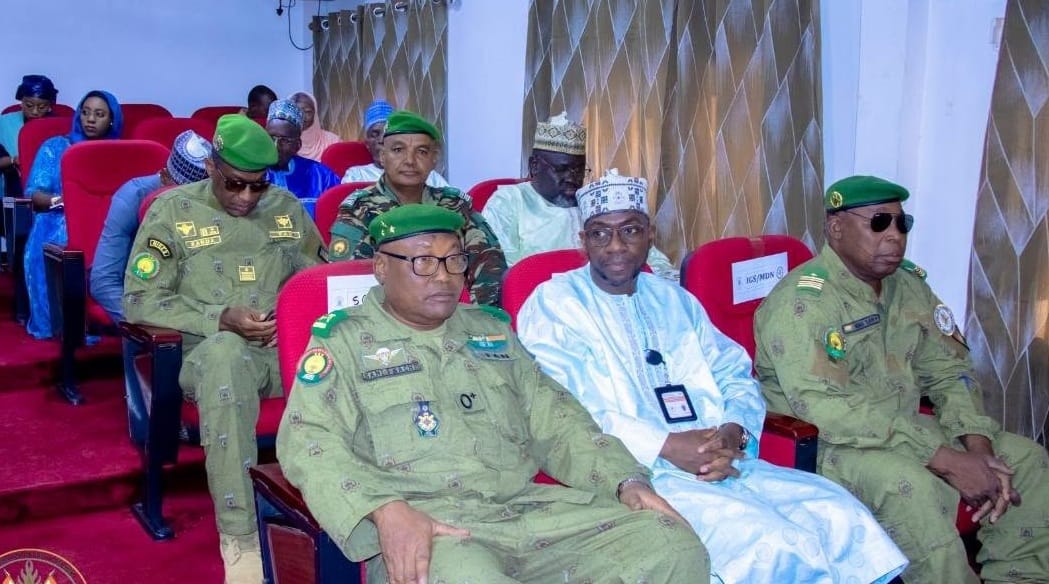

The Niger government has taken a historic step in military diplomacy by launching its inaugural training program for defense attachés and military officers. This initiative, led by the National Defense Ministry in partnership with the Foreign Affairs Ministry, marks the beginning of a structured approach to preparing these key diplomatic actors.
During the opening ceremony at the War College, General Salifou Mody, Niger’s Minister of State for National Defense, emphasized the significance of this program. For decades, the country lacked an institutional framework to train defense attachés before their overseas assignments. This new training cycle addresses that gap, aligning with President Abdourahamane Tiani‘s vision for a sovereign and balanced military diplomacy.
How the training will reshape Niger’s military diplomacy
The curriculum focuses on equipping future attachés with a dual skillset: military expertise and diplomatic acumen. Participants will undergo sessions on geopolitical analysis, crisis management, international law, and cultural diplomacy. The goal is to prepare them not just as military representatives, but as strategic advisors who can:
- Strengthen bilateral defense cooperation
- Promote Niger’s national interests abroad
- Serve as early-warning systems for emerging security threats
- Enhance the country’s image on the global stage
Speaking to the inaugural class, General Mody underscored the dual nature of their future roles: « You are not just officers—you are guardians of our nation’s sovereignty. Your work will influence how the world perceives Niger while protecting our security interests. »
Why this training comes at a critical time
Niger’s strategic location in the Sahel has made it a focal point in regional security dynamics. The evolving threat landscape—from transnational terrorism to shifting geopolitical alliances—demands a new generation of defense attachés who can navigate complex environments. This program ensures that Niger’s military representatives abroad are not only operationally competent but also diplomatically astute.
The training also reflects a broader shift in Niger’s foreign policy: moving from reactive engagement to proactive, sovereignty-driven partnerships. By institutionalizing this preparation, the government signals its commitment to professionalizing its defense diplomacy—a move likely to bolster trust with international allies and deter potential adversaries.
What’s next for Niger’s defense attachés?
This first cohort will complete an intensive program covering everything from protocol management to intelligence-sharing mechanisms. Upon graduation, they will be deployed to Niger’s embassies worldwide, where they will play a pivotal role in:
- Coordinating military cooperation agreements
- Facilitating joint exercises with partner nations
- Providing real-time strategic assessments to decision-makers
- Representing Niger in regional defense forums
The success of this initiative could set a precedent for other African nations facing similar challenges in military diplomacy. For Niger, it represents more than just training—it’s a declaration that the country is taking charge of its own security narrative.