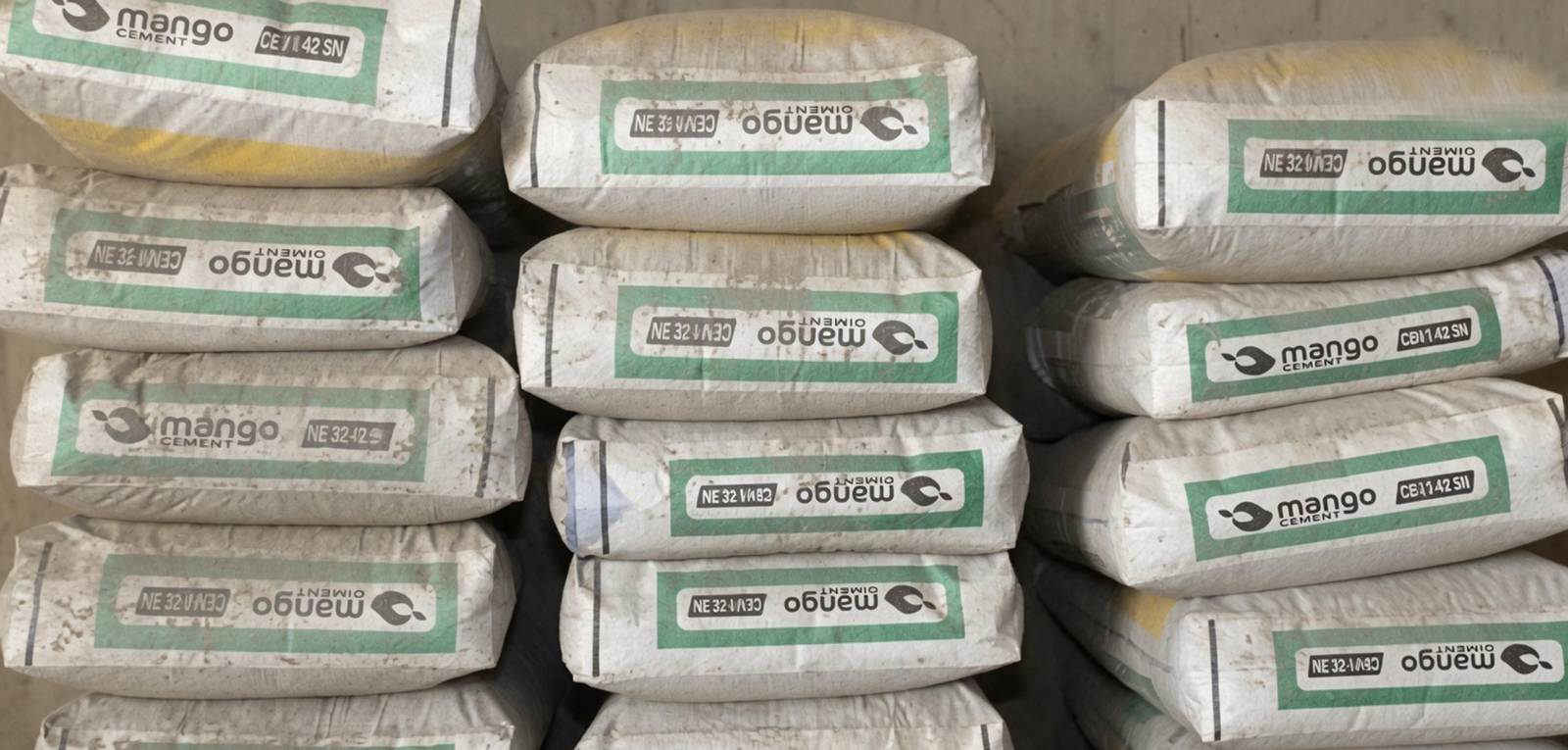

In the face of soaring cement prices and reported shortages across multiple regions, the Nigerien government has intervened decisively. On July 13, 2026, the Ministry of Commerce and Industry issued two decrees establishing a price ceiling for 42.5N cement and introducing penalties for operators violating the new regulations, including the confiscation of illegally hoarded stockpiles.
Officials cite consumer protection as the driving force behind these measures, citing speculative practices among some traders who allegedly exploit high demand by inflating prices or artificially restricting supply. The stated goal is to curb abuses and safeguard household purchasing power.
However, the intervention raises significant concerns. While speculation must be addressed, administrative price controls often serve as short-term fixes rather than long-term solutions. International experience shows such measures frequently backfire when not paired with policies to boost supply and secure distribution channels.
By imposing a maximum price without addressing underlying production and logistics costs, authorities risk exacerbating market distortions. When real costs—including transportation, import fees, or manufacturing expenses—exceed regulated margins, distributors may curtail sales, reduce orders, or divert stock to unmonitored markets where prices evade state oversight.
The decree’s enforcement provisions, particularly the confiscation of stocks, also present challenges. While intended to deter fraud, this approach lacks transparency in its implementation. Without robust legal safeguards and clear oversight mechanisms, the measure could lead to arbitrary enforcement, operational disputes, or even corruption.
The broader crisis underscores systemic weaknesses in Niger’s cement sector. Structural issues—such as import bottlenecks, high logistics costs, insufficient local production, and inefficient distribution—cannot be resolved by ministerial decrees alone.
Economic stakeholders emphasize that sustainable price stability hinges on a well-supplied market. Until production capacity expands, import processes are streamlined, and distribution networks are optimized, shortages will persist despite punitive measures.
This intervention reflects the government’s urgency to address public frustration, yet it remains a reactive administrative response to a complex economic challenge. While enforcement may curb excesses temporarily, it cannot substitute for foundational reforms that ensure stable, long-term supply.
The ultimate challenge lies in rebuilding trust among authorities, producers, distributors, and consumers. Without a comprehensive strategy targeting the root causes of speculation and shortages, price controls may offer only temporary relief—while creating fresh distortions that disproportionately affect Nigerien households.