
Breaking the gridlock: the CCR’s decisive shift on Niger’s fuel prices
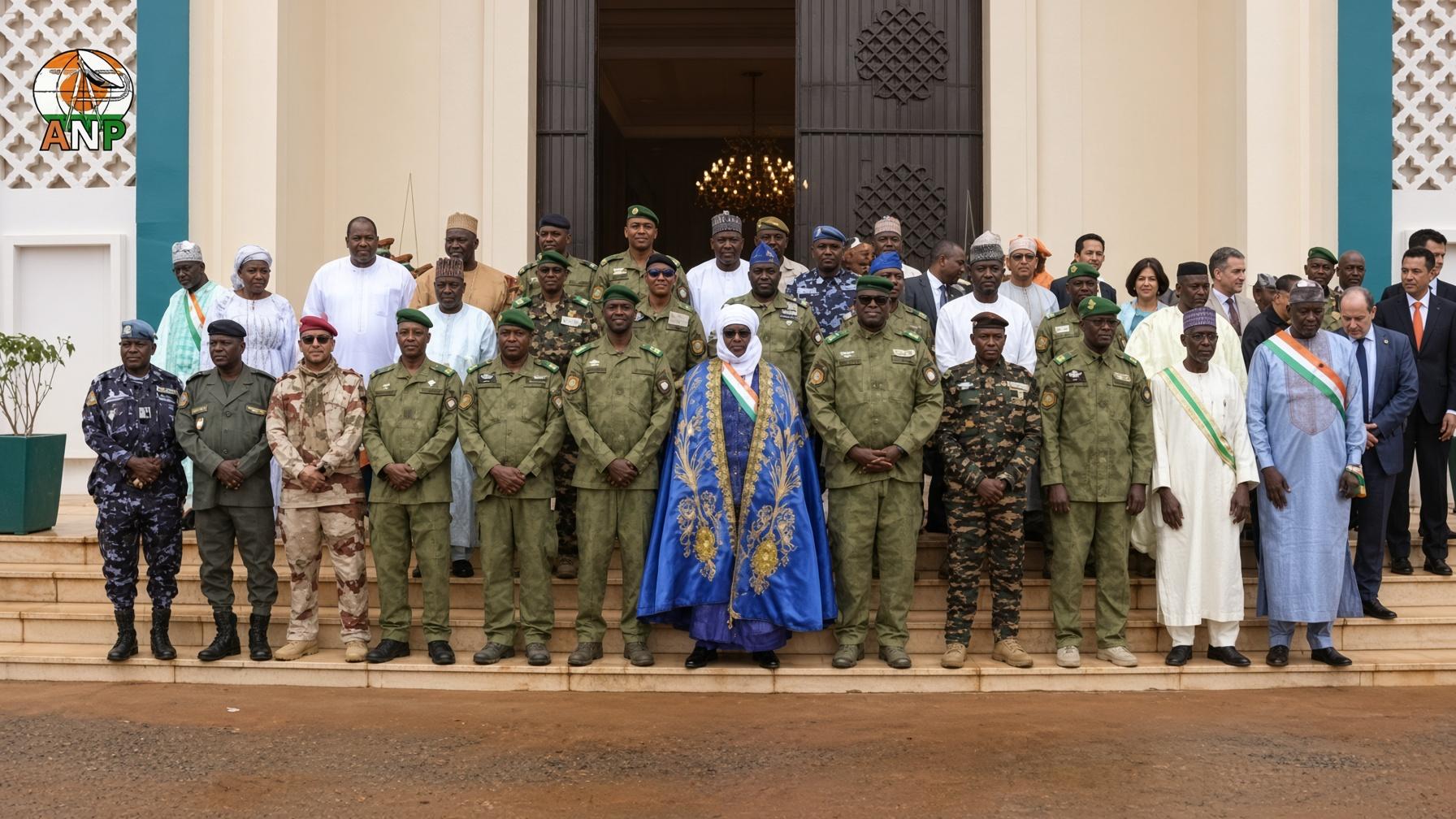
The first extraordinary session of Niger’s Council for Refoundation Consultation (CCR) in 2026 delivered an unpopular yet long-overdue verdict: a structured increase in fuel prices at the pump. Described internally as a “necessary evil,” this move is framed as the only viable path to stabilize the nation’s energy sector and shield its economy from external shocks.
Why the CCR sees no alternative to price adjustments
Persistent supply disruptions and financial strain on the Nigerien Society of Petroleum Products (SONIDEP) have forced authorities into a corner. The CCR argues that artificially holding prices at their current level only deepens import and storage deficits, undermining the sector’s sustainability. A modest upward adjustment, they contend, is the most pragmatic solution to avert chronic shortages that would cripple national productivity.
Rebuilding confidence through transparency and reform
The CCR, led by Dr. Mamoudou Harouna Djingarey, has tied any price hike to sweeping structural reforms to prevent mismanagement and corruption. Key measures include:
- Institutional transparency: Conducting an independent financial and operational audit of SONIDEP to eliminate mismanagement and fraud.
- Digital transformation: Implementing a full-scale digitization of the fuel distribution chain to track transactions and reduce leakage.
- Targeted subsidies: Injecting direct financial support into SONIDEP to cushion the impact of price adjustments without overburdening consumers.
- Diversified supply routes: Prioritizing the Algerian corridor for northern Niger to cut costs tied to expensive southern maritime and road networks.
- Energy sovereignty: Expanding domestic refining and strategic storage to reduce reliance on volatile global markets.
Government’s high-stakes balancing act
The CCR’s recommendations present the executive with a monumental challenge: calibrate the fuel price hike to preserve household purchasing power while ensuring the reforms take root. With the 2026 agricultural campaign demanding urgent budgetary allocations for food security reserves, policymakers face an unprecedented dilemma—one that could define Niger’s economic trajectory for years to come.