
Niger’s human rights crisis deepens under military rule
Niger’s human rights crisis deepens under military rule
As Niger marks the third anniversary of the July 26, 2023 coup, the military-led government faces mounting criticism over its escalating crackdown on dissent and erosion of democratic freedoms.
Military junta intensifies repression and dismantles checks and balances
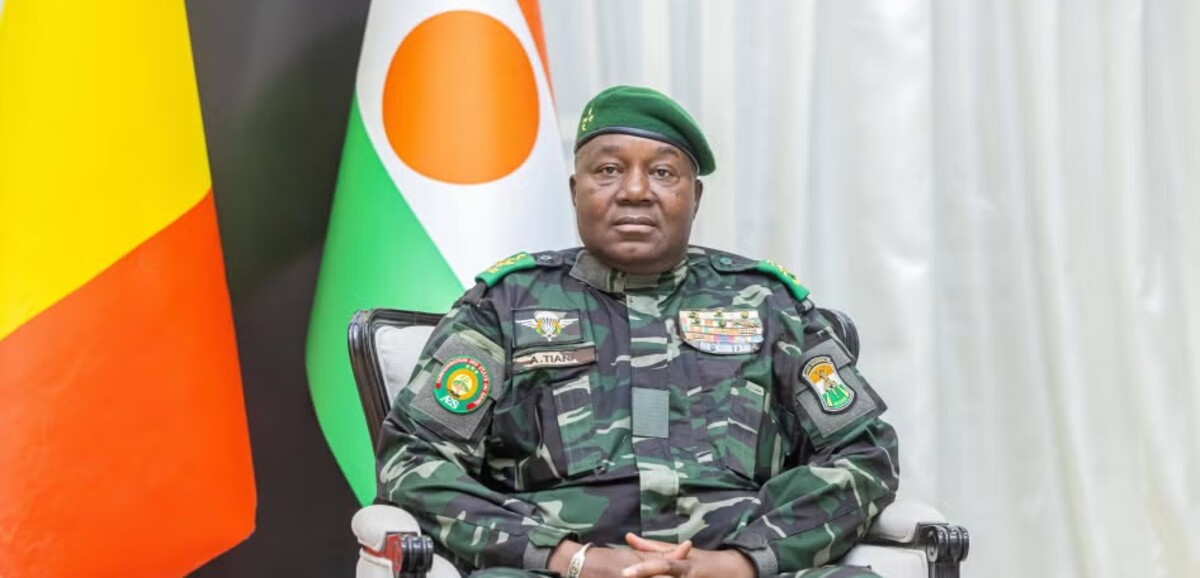
Human Rights Watch has issued a scathing report highlighting a sharp decline in human rights since General Abdourahamane Tiani took control. The organization accuses the regime of systematically dismantling democratic institutions, silencing opposition voices, and stifling civil society.
The junta’s policies include the dissolution of political parties and independent unions, the suspension of numerous civil society organizations, and the detention of journalists. Additionally, same-sex relationships have been criminalized, with severe penalties introduced under the new legal framework.
Protracted transition fuels insecurity and weakens accountability
The prolonged political transition, now extended to at least five years without a clear electoral roadmap, has further destabilized the country. Human Rights Watch warns that this uncertainty has coincided with a surge in jihadist violence, particularly in regions plagued by insurgent attacks for over a decade.
The report also highlights concerns over counter-insurgency operations that have resulted in civilian casualties. Notably, a drone strike in January allegedly killed 17 civilians at a market, raising serious questions about the military’s conduct and adherence to international humanitarian law.
Another contentious decision has been Niger’s withdrawal from the International Criminal Court (ICC), a move critics argue shields authorities from accountability for potential human rights violations.
International condemnation grows amid rising repression
The junta’s tightening grip on power has drawn widespread condemnation, with human rights advocates and global observers expressing grave concerns over the shrinking civic space and the regime’s disregard for democratic norms. Activists and opposition figures continue to face arbitrary arrests and judicial harassment, further choking dissent.