
Niger’s staggering financial hit from closed borders: 117 billion FCFA in lost state revenue
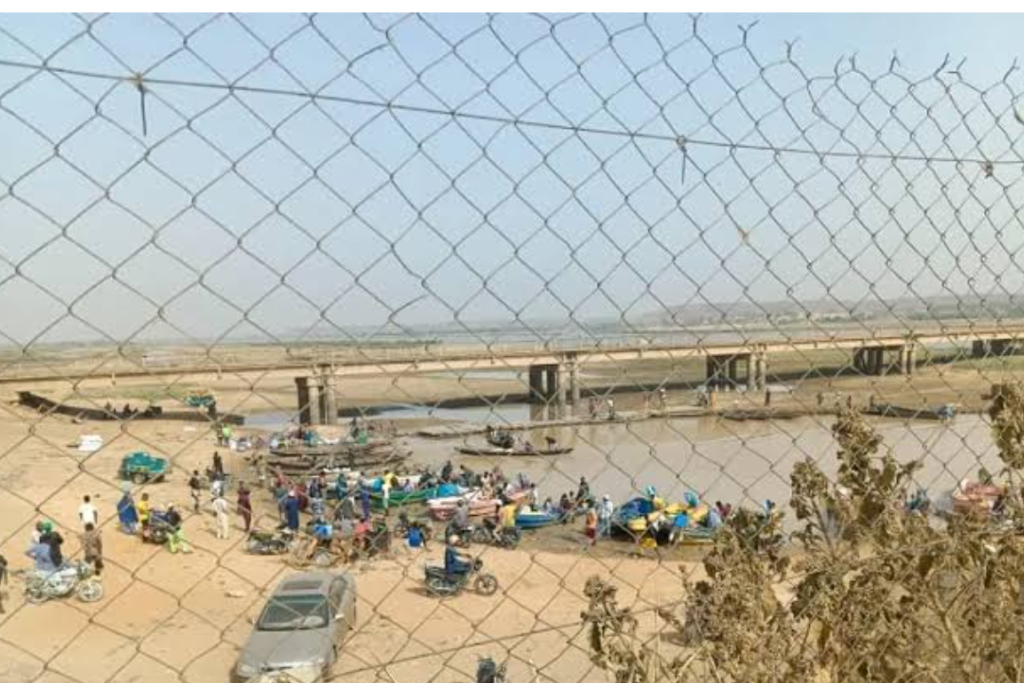
The International Monetary Fund has delivered a stark warning: Niger’s prolonged border closures have drained public coffers by a staggering 117 billion West African CFA francs. This financial hemorrhage exposes the harsh reality behind the region’s political posturing—a crisis that now threatens the very foundations of public services and economic stability.
How border closures carved a 117 billion FCFA deficit into Niger’s budget
According to the IMF’s latest assessment, the suspension of cross-border trade has created an unprecedented budgetary shortfall. Customs revenues, once the lifeblood of regional economies, have plummeted as historic trade routes between coastal ports and landlocked Sahel nations grind to a halt. Military regimes that once wielded these closures as geopolitical leverage now face an inescapable truth: their actions have sabotaged the financial sovereignty they claim to defend. With public funds dwindling, critical sectors like healthcare, education, and infrastructure development are being starved of resources, forcing governments into impossible fiscal choices.
The human cost: skyrocketing prices and shattered livelihoods
The IMF’s dry economic indicators obscure a far more painful reality—the daily struggle of ordinary Nigeriens. Markets that once thrived on steady supply chains now reel under the weight of artificial scarcity. Staples like rice, cooking oil, and sugar have seen prices spiral upward, while construction materials like cement have become prohibitively expensive. The domino effect is devastating: transport costs have skyrocketed as goods detour around closed borders, crushing small traders and pushing informal economies to the brink. Vulnerable communities bear the brunt, their survival increasingly dependent on dwindling reserves and desperate measures.
Security rhetoric: a smokescreen for economic failure
When confronted with these economic wounds, regional leaders fall back on a familiar narrative—blaming external threats or infrastructure failures to justify their actions. Bridges and roads closed ‘for security reasons’ are paraded as patriotic sacrifices, yet the true casualties are the economies they suffocate. This distraction tactic masks a harsh truth: military governance has failed to deliver the promised prosperity. Instead of fostering growth, the militarization of trade policies has created an environment of uncertainty, stifling private investment and pushing nations toward financial instability. The promised ‘economic resistance’ has only deepened dependence on fragile financial crutches.
Why pragmatism—not politics—must guide Sahel recovery
The numbers don’t lie: a 117 billion FCFA deficit cannot be solved with empty rhetoric or finger-pointing at international partners. The Sahel’s economic engine runs on the free flow of goods and people. By turning borders into political trenches, military regimes have weakened the very structures needed for recovery. The path forward demands urgent action: reopening trade corridors, engaging in constructive dialogue with regional economic bodies, and removing barriers to commerce. Without these steps, the region risks not just economic collapse, but a social crisis from which recovery may prove impossible.