
Political tensions escalate as sonko challenges diomaye in Senegal
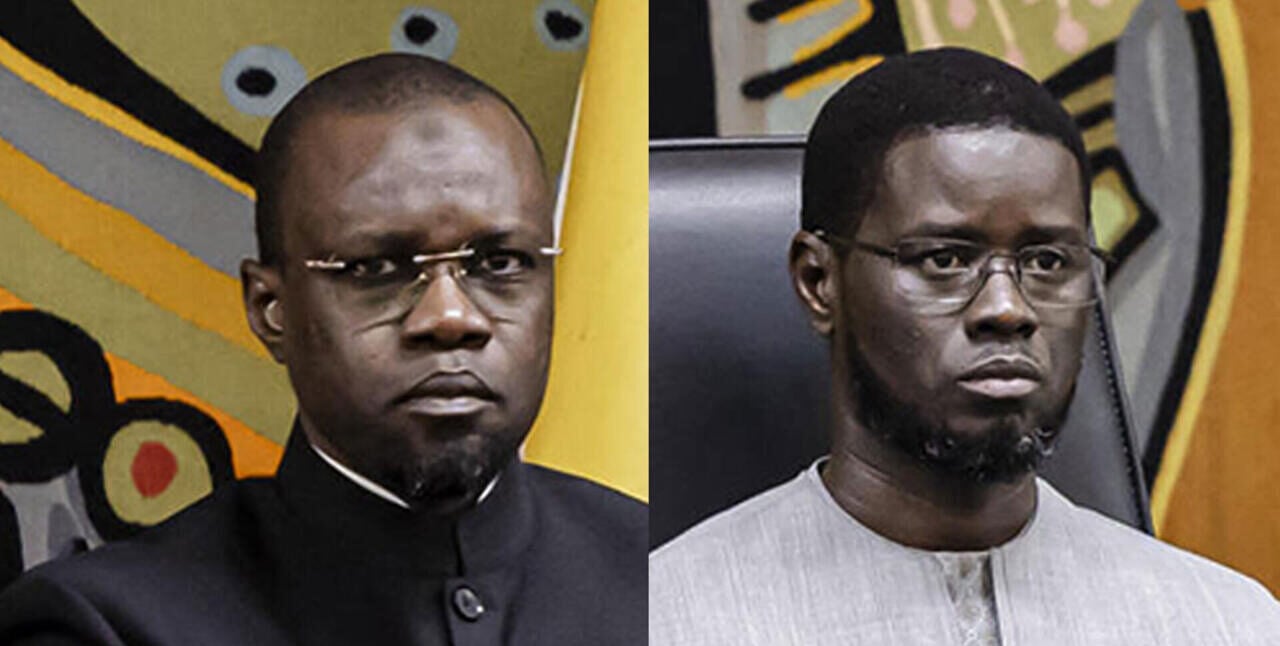
Senegal’s political landscape has been rocked by fresh clashes between Ousmane Sonko and Bassirou Diomaye Faye, two key figures whose once-solid alliance now stands on the brink of collapse. Sonko’s latest public address marks a decisive shift, signaling an open confrontation with the government led by President Faye.
The timing of this political showdown could not be more critical. As Senegal grapples with economic pressures and social unrest, Sonko’s fiery rhetoric has reignited debates about governance, accountability, and the future direction of the nation. His remarks, delivered with unmistakable intensity, were not merely rhetorical flourishes—they exposed deep fissures within the ruling coalition.
Why the alliance unraveled
The partnership between Sonko and Diomaye Faye was forged in the heat of political struggle, promising a new era for Senegal. Yet, irresolvable differences have now surfaced, fueled by competing visions for the country’s development. Observers note that Sonko’s recent statements reflect a deliberate strategy to reclaim public trust, which has eroded amid allegations of mismanagement and broken promises.
Analysts suggest that Sonko’s offensive is more than a personal vendetta—it is a calculated move to position himself as the moral compass of the opposition. By challenging the government’s legitimacy, he seeks to rally disillusioned citizens behind a renewed call for transparency and reform.
Public reaction and political fallout
The repercussions of this political rift extend beyond the corridors of power. In the streets, reactions are mixed. Some citizens view Sonko’s defiance as a necessary corrective to government excesses, while others warn of the dangers of instability in a region already grappling with security threats.
Meanwhile, within the ruling party, the fractures are impossible to ignore. The government’s response to Sonko’s attacks will be closely watched, as any misstep could further destabilize an already fragile political ecosystem. The question now is whether this confrontation will lead to a full-blown crisis or serve as a catalyst for much-needed dialogue.
What comes next?
The coming weeks will be decisive. Sonko’s ability to sustain momentum hinges on his capacity to mobilize support while avoiding inflammatory rhetoric that could alienate potential allies. For President Faye, the challenge is to rebuild trust without appearing weak—a balancing act that could define his presidency.
One thing is certain: Senegal’s political future hangs in the balance. The outcome of this standoff will shape the country’s trajectory for years to come, determining whether its democratic institutions can weather the storm or succumb to the weight of unchecked ambition.