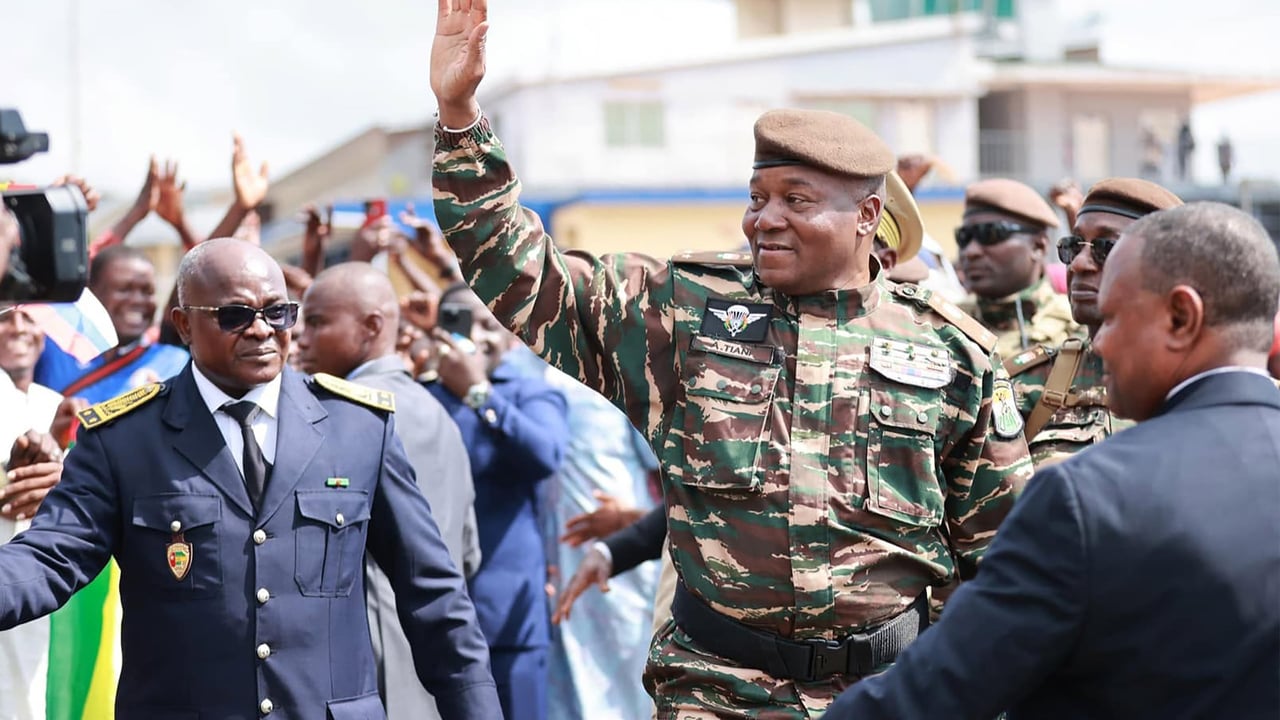

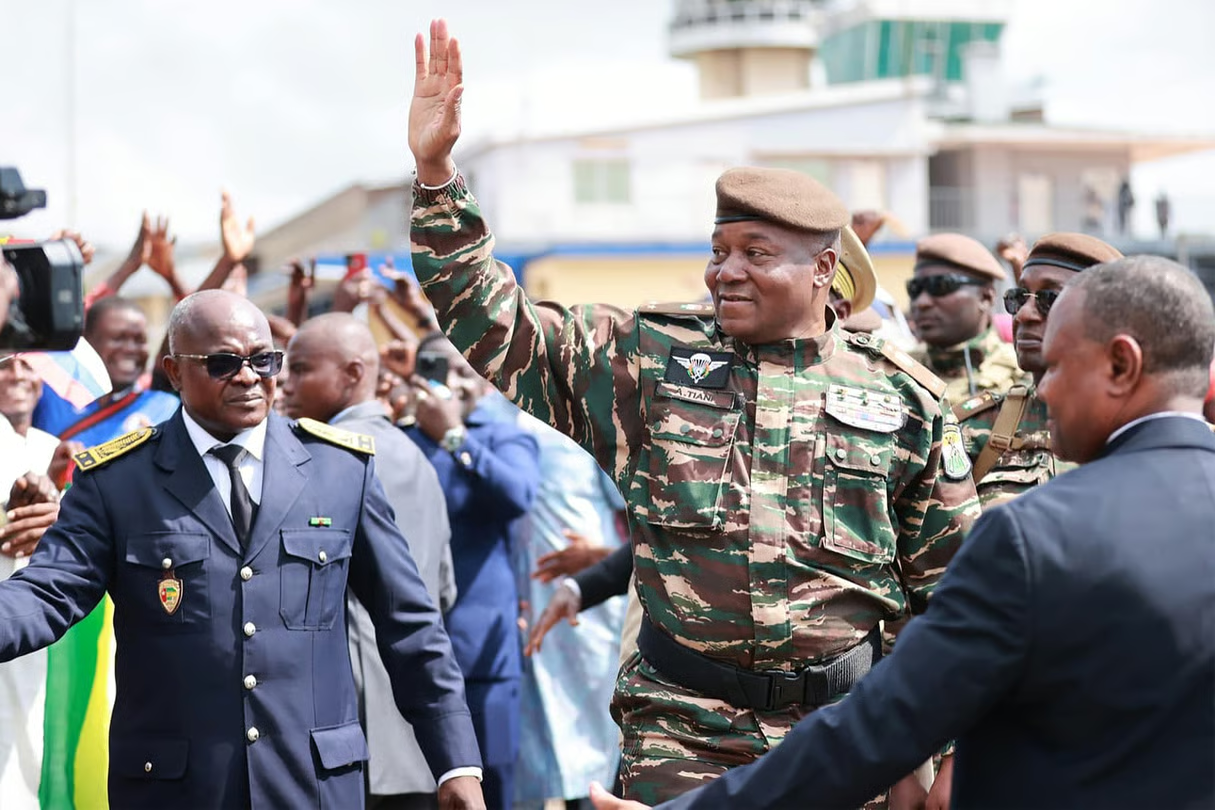
Niger’s transitional leader, General Abdourahamane Tiani, is signaling a decisive pivot toward pragmatic governance as the nation navigates complex regional and international challenges. With the country facing mounting security threats and economic pressures, his administration is recalibrating strategies to strengthen stability and restore confidence among partners.
Since assuming leadership following pivotal events in 2023, Tiani has prioritized a balanced approach that blends security imperatives with diplomatic agility. Observers note a marked shift in tone and action, emphasizing realpolitik over ideological posturing in foreign engagements.
strengthening regional alliances in a shifting security landscape
The Alliance of Sahel States (AES) has emerged as a cornerstone of Tiani’s regional strategy, fostering deeper cooperation with neighboring Mali and Burkina Faso. This alliance reflects a shared vision for collective security and economic resilience amid escalating jihadist threats across the Sahel.
Under his leadership, Niger has intensified joint military operations and intelligence-sharing initiatives with AES partners. These efforts aim to disrupt armed groups operating near borders and curb transnational crime networks that exploit porous frontiers.
The recent withdrawal from regional blocs like ECOWAS has underscored Niger’s commitment to forging alternative partnerships. Tiani’s government has actively courted new allies, including Russia, while maintaining dialogue with traditional partners to diversify diplomatic leverage.
economic pragmatism and social stability
Domestically, economic recovery remains a critical focus. Tiani’s administration is implementing reforms to stabilize public finances, attract foreign investment, and revitalize key sectors like agriculture and mining. Efforts to curb inflation and improve basic services are central to restoring public trust.
Austerity measures and strategic budget reallocations are being deployed to address pressing needs, including healthcare and education. Meanwhile, social programs are being designed to mitigate the impact of economic hardship on vulnerable communities.
key partnerships and policy shifts
The government has prioritized collaborations with non-traditional partners to bypass sanctions and access critical resources. High-level engagements with Khalifa Haftar in Libya have opened avenues for trade and security cooperation, while discussions with Beninese Finance Minister Romuald Wadagni have explored ways to enhance cross-border commerce.
Tiani’s approach also reflects a cautious stance toward Western partners, particularly regarding security cooperation. While maintaining open channels, Niger’s leadership is reassessing long-standing defense agreements to align with its evolving strategic priorities.
looking ahead: balancing sovereignty and pragmatism
The path forward demands a delicate balance between asserting national sovereignty and engaging constructively with the international community. Tiani’s pragmatic turn suggests a willingness to adapt policies based on tangible outcomes rather than rigid dogma.
As Niger charts its course, the coming months will reveal whether this strategy can deliver tangible security, economic, and social dividends for its people. The choices made today will shape the nation’s trajectory in a region where stability remains fragile and opportunities scarce.