
CEDEAO’s Hand of Reconciliation Meets Resistance in Sahel Capitals
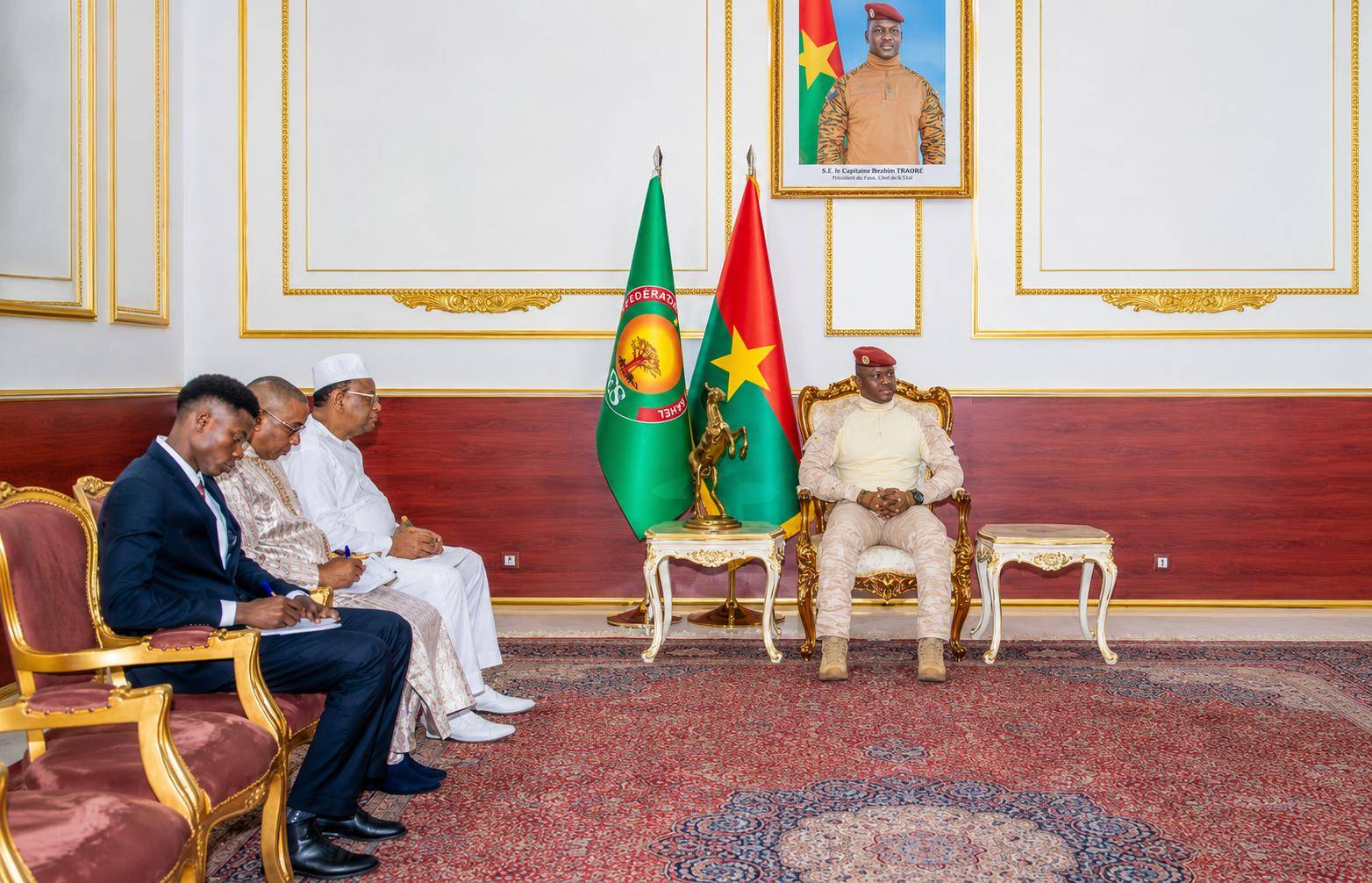
When mediator Lansana Kouyaté arrived in Ouagadougou to meet Burkina Faso’s Captain Ibrahim Traoré, he carried a message of regional solidarity from the Economic Community of West African States (CEDEAO). The envoy argued that geography and shared destiny bind Sahel nations closer than political decisions can sever. Yet behind the plea for cooperation lies a landscape hardened by years of broken promises and shifting power dynamics.
The regional bloc’s latest diplomatic outreach comes at a critical moment. While the CEDEAO champions dialogue over confrontation, its approach is tested by a growing skepticism rooted in decades of unfulfilled agreements and sudden policy reversals by Sahelian regimes. The question now is whether patience can outlast political inconsistency.
Why Dialogue Still Matters Despite the Odds
Critics may dismiss CEDEAO’s overtures as naive, but the bloc’s insistence on engagement carries undeniable logic. Cutting ties abruptly would not only destabilize the region further—it would inflict real suffering on millions.
Consider the lifelines of landlocked nations like Mali, Niger, and Burkina Faso. Over 70% of their trade flows through ports controlled by coastal CEDEAO members. An abrupt severing of economic ties would choke essential supplies, deepen poverty, and undermine fragile stability. The CEDEAO refuses to punish ordinary citizens for the actions of their governments—a pragmatic stance in a crisis where humanitarian consequences loom large.
Security cooperation faces a similar challenge. Jihadist groups pay no heed to regional alliances or political declarations. They operate across borders without regard for treaties or ideologies. For the CEDEAO, maintaining even minimal coordination is not a luxury—it’s a necessity. Without it, counterterrorism efforts risk becoming fragmented and ineffective.
The Weight of Broken Promises
Yet the bloc’s goodwill is repeatedly undermined by a harsh truth: trust in Sahelian capitals is in short supply. Military regimes that once pledged swift transitions to civilian rule have instead prolonged their grip on power, citing security imperatives as justification. What began as a promise of 18 to 24 months has stretched into years, with no clear path to elections or constitutional order.
Accountability in Question: International and Domestic Breaches
The skepticism isn’t limited to rhetoric. Past agreements signed in good faith—whether in Bamako or Ouagadougou—have been abandoned within months, often under the banner of “reclaimed sovereignty.” Regional integration, built over half a century, has been dismantled in weeks to feed populist narratives. For the CEDEAO, negotiating with partners who treat international law as optional is like building on shifting sand.
The damage goes deeper than broken treaties. The people of the Sahel are bearing the brunt of unkept pledges. Promises to restore security and rebuild the state have given way to repression:
- Political space has shrunk: Opposition parties have been suspended, and civil society voices silenced under the guise of national unity.
- Press freedom under attack: Independent media outlets face restrictions, and dissenting voices are increasingly targeted.
- Security remains elusive: Despite shifting alliances and new partnerships, violence continues to spread across the region.
The fundamental contract between state and citizen—protection and freedom—has been repeatedly violated.
Demanding More Than Words
The CEDEAO’s role in defusing tension is essential. Avoiding a chaotic rupture is not just diplomatic nicety—it’s a survival strategy for the entire region. But dialogue cannot be a one-way street. The bloc must demand tangible, binding guarantees from its counterparts in the Alliance of Sahel States (AES).
Otherwise, this latest mediation effort risks becoming another chapter in a familiar cycle: well-intentioned talks followed by inevitable betrayal. The people of the Sahel deserve better than hollow promises and prolonged instability.