
Strategic relocation underscores commitment to national progress
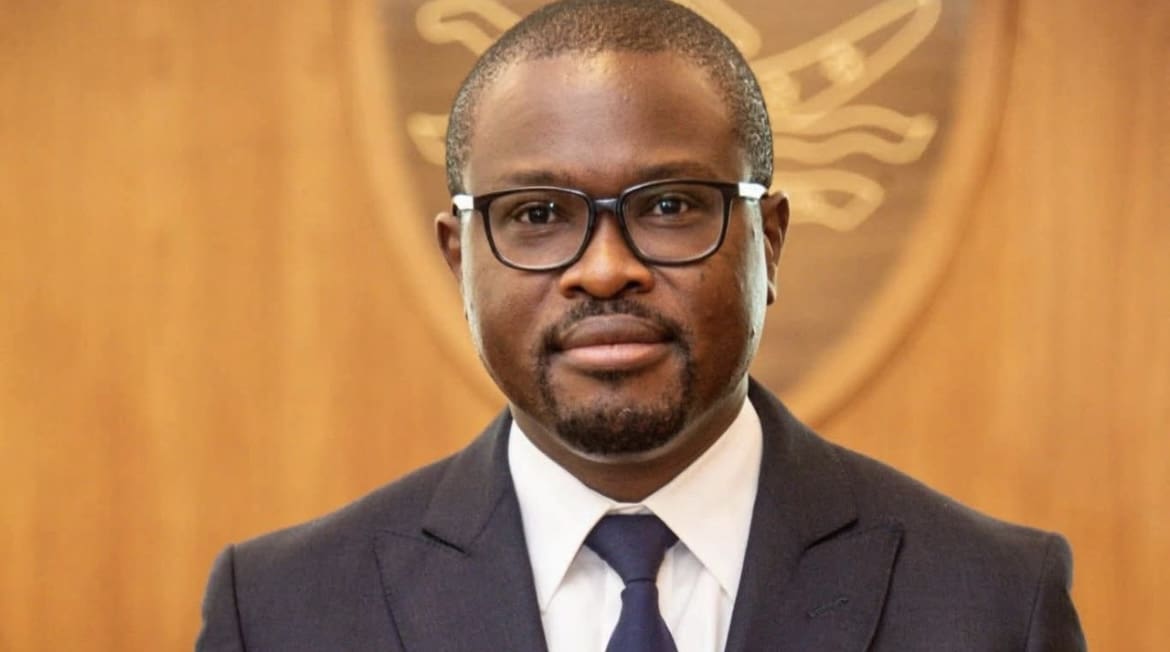
In a decisive move reflecting forward-thinking governance, the investiture ceremony for Romuald Wadagni will not take place at the Stade Charles de Gaulle in Porto-Novo as initially planned. Instead, the event will be held at the Palais des Congrès in Cotonou, marking a deliberate shift that underscores the administration’s unwavering focus on sustainable development priorities.
Development over spectacle: a governance milestone
The decision to prioritize infrastructure progress over ceremonial grandeur sends a powerful message about the administration’s values. By proceeding with the reconstruction of Porto-Novo’s stadium rather than delaying critical works for a high-profile event, the government reaffirms its adherence to the Programme d’Action du Gouvernement (PAG) schedule—a clear indication that national development takes precedence over transient political display.
This strategic choice demonstrates that governance in Bénin is no longer measured by the scale of its ceremonies, but by the tangible impact of its investments. The stadium’s modernization, slated to benefit the youth and enhance the city’s appeal, exemplifies this long-term vision. The government’s willingness to sacrifice immediate public spectacle for lasting infrastructure improvement is a testament to its commitment to meaningful progress.
Cotonou’s Palais des Congrès: a fitting stage for strategic leadership
The elegant and professional setting of the Palais des Congrès in Cotonou aligns seamlessly with Romuald Wadagni’s reputation as a key architect of Bénin’s economic credibility. Known for his role in securing favorable financial agreements on the international stage, Wadagni’s investiture in this venue reinforces the country’s image as a nation governed by precision and strategic foresight.
Unlike the traditional political arena, the Palais des Congrès serves as a hub for high-level decision-making, making it an ideal location for welcoming international delegations and potential investors. This choice not only elevates the ceremony’s prestige but also positions Bénin as a welcoming, well-organized destination for business and cooperation—further solidifying its “Ready for Business” reputation.
From constraint to opportunity: reinforcing public trust
The relocation of the investiture also addresses concerns regarding the efficient use of public resources. By freeing up the stadium for immediate renovation, the government avoids compounding the challenges already facing the facility and transforms a logistical challenge into a positive narrative: “Development does not pause—even for a national ceremony.”
This approach underscores the administration’s ability to convert potential obstacles into strategic advantages, demonstrating that governance in Bénin is driven by pragmatic solutions rather than populist gestures. It reflects the vision of President Patrice Talon, whose leadership prioritizes measurable outcomes over symbolic gestures.
A new benchmark for governance in Bénin
The investiture of Romuald Wadagni at the Palais des Congrès in Cotonou represents more than a change of venue—it signals a transformation in how governance is perceived. Rather than viewing this as a retreat from tradition, it should be seen as an elevation of standards, aligning the country’s leadership with a development-first ethos.
By ensuring that the modernization of Porto-Novo’s stadium proceeds without delay, the organizers affirm that the administration’s priorities are in harmony with the aspirations of the nation. This decision reinforces the message that in Bénin, every moment counts toward reshaping the country’s future. The ceremony may be scaled down, but the commitment to progress remains unwavering.