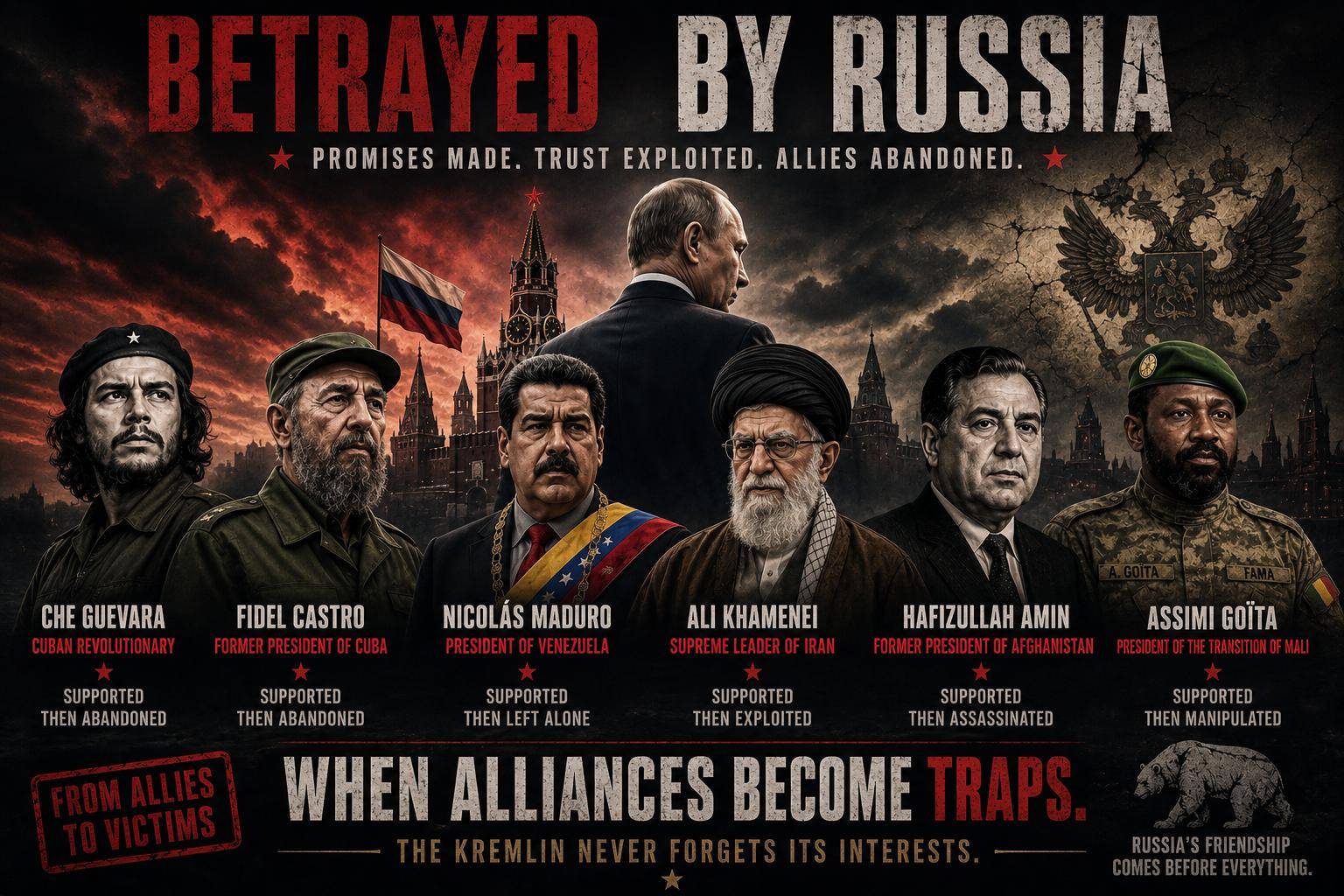

The Kremlin’s diplomatic silence has become a defining feature as allies of Moscow face mounting challenges worldwide. Far from the image of an unwavering protector ready to intervene at a moment’s notice, the Russian government appears to have adopted muteness as a deliberate strategy when its partners encounter turbulence. Let’s dissect this calculated approach of strategic silence.
This pattern repeats with unsettling consistency. Whether it’s localized military setbacks, internal political turmoil, or widespread public uprisings among its allies, Russia’s first response is not fiery statements of support or swift rhetorical reinforcements. Instead, it chooses radio silence—a stark contrast to its usual proactive stance on the global stage.
the “wait and see” doctrine in action
For foreign policy analysts, this ostrich-like reflex isn’t a sign of weakness—it’s a display of cold pragmatism. When an ally stumbles, the Kremlin leans on the “wait and see” principle. The primary goal? To avoid tying Russia’s prestige and credibility to a sinking cause or a failing leader.
By retreating into passive observation, Moscow gains maximum flexibility. If the ally manages to recover independently, official support can resume without fanfare. But if the regime faces irreversible collapse, prior silence ensures Russia doesn’t go down with it—and may even facilitate discreet talks with emerging leaders.
silence as a silent rebuke
Yet this muteness carries its own weight, serving as a subtle diplomatic tool. While Western capitals frequently issue public condemnations or formal appeals for restraint, Russia often expresses disapproval or annoyance simply by staying silent.
When an ally crosses a red line, mishandles a crisis, or stumbles into a deadlock without Moscow’s approval, the absence of a response from the Russian Foreign Ministry speaks volumes. It signals to the struggling nation that it must bear the consequences of its missteps alone—without exposing internal rifts in the alliance to the world.
alliances built on transaction, not loyalty
This approach reveals the true nature of Russia’s partnerships: relationships rooted in transactional pragmatism, devoid of sentiment. Moscow only intervenes—verbally or otherwise—when its core interests or strategic positions are directly threatened. If the crisis only jeopardizes the local leadership, the Kremlin prefers to conserve its political capital and shift the burden of international pressure onto its ally.
While official diplomacy maintains this media blackout, the communication strategy shifts to covert channels. State media and influence networks flood the information space, deflecting blame onto “invisible Western hands” and creating a smokescreen to mask the Kremlin’s strategic retreat.
In summary, recent history shows that Russia’s support is a fair-weather garment—shining brightest in times of peace and victory. When storms gather and the political cost becomes too high, the Kremlin withdraws behind a wall of silence, reminding its allies of a harsh geopolitical truth: in times of crisis, solidarity often fades into isolation.