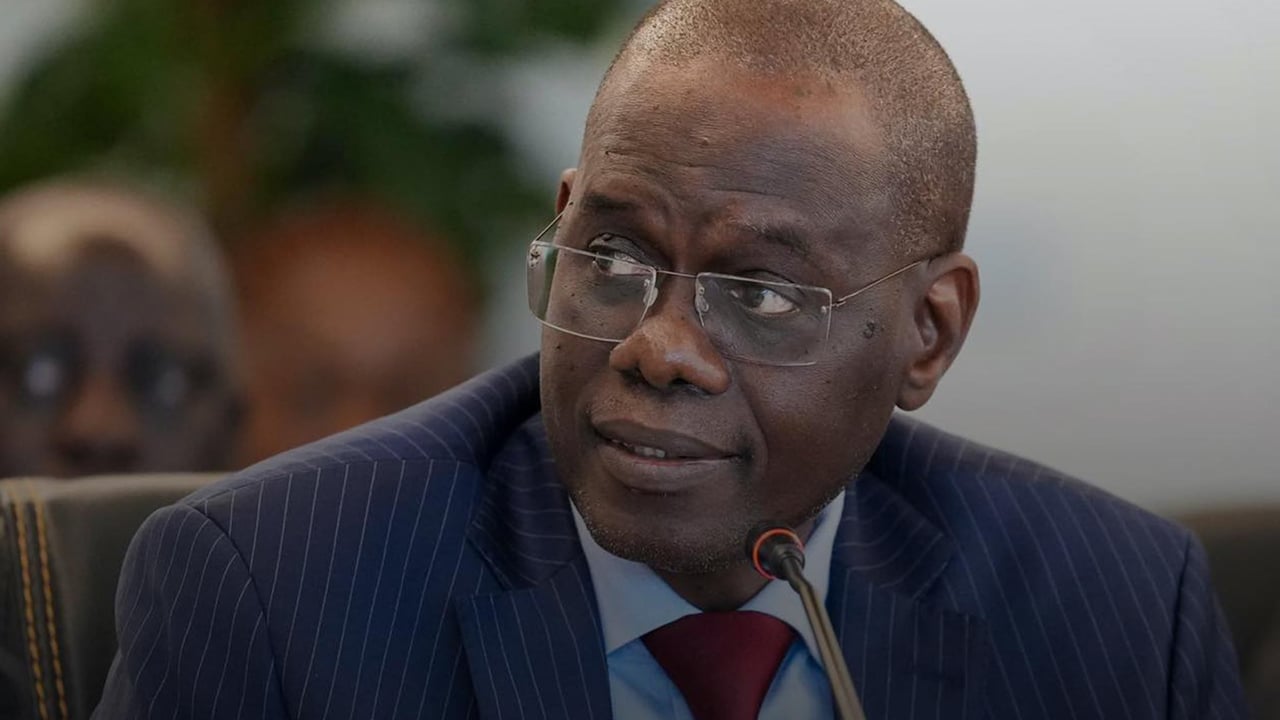


The recent political transition in Senegal has reignited discussions about the country’s mounting debt burden and the potential for a new program with the International Monetary Fund (IMF). With the departure of prominent opposition leader Ousmane Sonko, economic observers are closely watching whether this shift could create an environment conducive to negotiations with the IMF.
The Senegalese government, led by Prime Minister Al Aminou Lô, faces mounting pressure to address the nation’s fiscal challenges. Public debt has surged in recent years, driven by infrastructure projects, social spending, and the economic fallout from global crises. Analysts suggest that securing an IMF program could provide much-needed financial stability and access to concessional funding.
Bassirou Diomaye Faye, who assumed office as President, has emphasized the importance of economic reform and fiscal responsibility. His administration’s willingness to engage with international financial institutions may signal a new chapter in Senegal’s economic policy. However, the road to an IMF agreement is fraught with challenges, including stringent reform conditions and public resistance to austerity measures.
IMF Managing Director Kristalina Georgieva has repeatedly underscored the need for structural reforms to ensure sustainable growth. Her recent statements have highlighted the IMF’s readiness to support Senegal—but only if credible commitments to fiscal discipline are made.
As Senegal navigates this critical juncture, the question remains: will the political changes pave the way for a new IMF program, or will lingering uncertainties delay progress? The coming months will be pivotal in determining the country’s economic trajectory.
Key factors shaping Senegal’s debt and IMF negotiations
The outcome of potential IMF talks will hinge on several critical factors:
- Political stability: The recent leadership transition must demonstrate durability to reassure international partners.
- Fiscal reforms: Commitment to reducing public debt and improving revenue collection will be essential.
- Public sentiment: Widespread opposition to austerity measures could complicate negotiations.
- Global economic conditions: Rising interest rates and commodity price volatility add further complexity.
What’s at stake for Senegal?
A successful IMF program could unlock billions in financing, helping Senegal stabilize its debt and invest in long-term growth. However, failure to reach an agreement may force the government to seek alternative funding sources, potentially at higher costs.
The decisions made in the coming weeks will shape Senegal’s economic future—and determine whether the country can break free from the cycle of debt dependency.

Related Posts


