
The key points
- International coverage: A major media outlet released a documentary on July 12, 2026, examining Senegal’s deepening political divisions
- Institutional clash: Parliament passed a constitutional reform on June 29, 2026, granting more authority to the legislature and premier, only for the Constitutional Council to overturn it nine days later
- Power struggle: President Bassirou Diomaye Faye and Prime Minister Ousmane Sonko, once united under the PASTEF banner, now face a widening rift
- Parliamentary grip: The ruling party holds 130 of 165 National Assembly seats, yet governance remains gridlocked
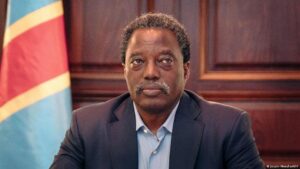
Senegal is once again in the global spotlight as a leading international broadcaster shines a light on the escalating feud between two of the country’s most influential leaders. The documentary, titled Friends turned foes: The split reshaping Senegal, dissects the growing rift between President Bassirou Diomaye Faye and Prime Minister Ousmane Sonko, who together steered the PASTEF party to victory in the 2024 presidential election.
The timing of the release coincides with the Constitutional Council’s decision to strike down a sweeping constitutional reform adopted by Parliament just days earlier. This legal reversal has intensified the standoff between the two leaders and cast a shadow over Senegal’s political landscape ahead of the 2029 presidential race.
From allies to adversaries: a partnership’s unraveling
Bassirou Diomaye Faye and Ousmane Sonko entered office in 2024 with a shared vision and the commanding backing of 130 out of 165 National Assembly seats—a supermajority that should have streamlined governance. Yet, as the documentary reveals, ideological fissures quickly emerged, particularly over economic policy and relations with international financial institutions like the IMF. Analysts describe the confrontation as a high-stakes power struggle between two competing interpretations of governance.
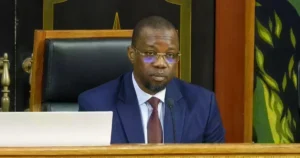
The unusual concentration of power—Sonko simultaneously serving as prime minister and Assembly president—has further strained relations with the presidency. The report highlights how this structural overlap has fueled tensions, with both sides accusing the other of overreach.
The constitutional reform: a catalyst for conflict
On June 29, 2026, Parliament approved a reform aimed at curtailing presidential authority by barring the head of state from leading a political party and replacing the Constitutional Council with a nine-member Constitutional Court. The changes also sought to expand the premier’s powers and limit executive dominance.
Within days, President Faye challenged the reform’s legitimacy, filing an appeal with the Constitutional Council on July 7. The Council ruled on July 10, citing procedural flaws and the absence of a budget allocation for the new court. The decision, while hailed by the presidency, left lingering questions about the next steps in this institutional tug-of-war.
Prime Minister Sonko responded by asserting that the ruling was binding for all, a statement that did little to quell speculation about the future trajectory of the feud.
Senegal’s democratic model under scrutiny
The international documentary underscores the global interest in Senegal’s unfolding political drama. Often heralded as a bastion of democratic stability in West Africa, the country is now grappling with institutional tensions that challenge its reputation. With a population nearing 19 million, Senegal remains a key economic and diplomatic partner for France and other regional stakeholders.
Local media outlets have extensively covered the reform’s invalidation, with some describing the Faye-Sonko divide as a clash of titans at the heart of the state. Observers warn that the standoff could reshape the political landscape before the 2027 local elections and the 2029 presidential vote.
Institutional dynamics and lingering questions
Senegal operates as a presidential republic, where the head of state traditionally wields significant authority. The 2024 election of Bassirou Diomaye Faye marked a historic shift, propelled by PASTEF’s rise and the enduring popularity of Ousmane Sonko. However, the current setup—where the prime minister also presides over the Assembly—has created an unprecedented concentration of legislative and executive power, fueling tensions with the presidency.
The country faces critical economic challenges, including public debt management and ongoing negotiations with the IMF. Differences between Faye and Sonko on these matters reflect broader strategic disagreements that extend beyond mere power struggles.
Electioneering ahead: a fractured future?
The 2027 local elections and the 2029 presidential race loom large, with analysts predicting that the Faye-Sonko rift will define the political agenda. The ruling party’s overwhelming majority complicates matters: neither leader can govern effectively without the other, raising the specter of institutional paralysis. The battle for control over the PASTEF machinery is becoming the central question of the hour.
The documentary frames the current crisis not as a fleeting episode but as the opening act of a prolonged struggle for dominance in Senegalese politics. The coming months will reveal whether the two leaders can find a modus vivendi or if the rift becomes permanent. For now, the Constitutional Council’s decision has granted President Faye a temporary reprieve, but the underlying divisions remain unresolved, leaving the political landscape mired in uncertainty.