
Sénégal: president diomaye faye publicly cautions prime minister ousmane sonko
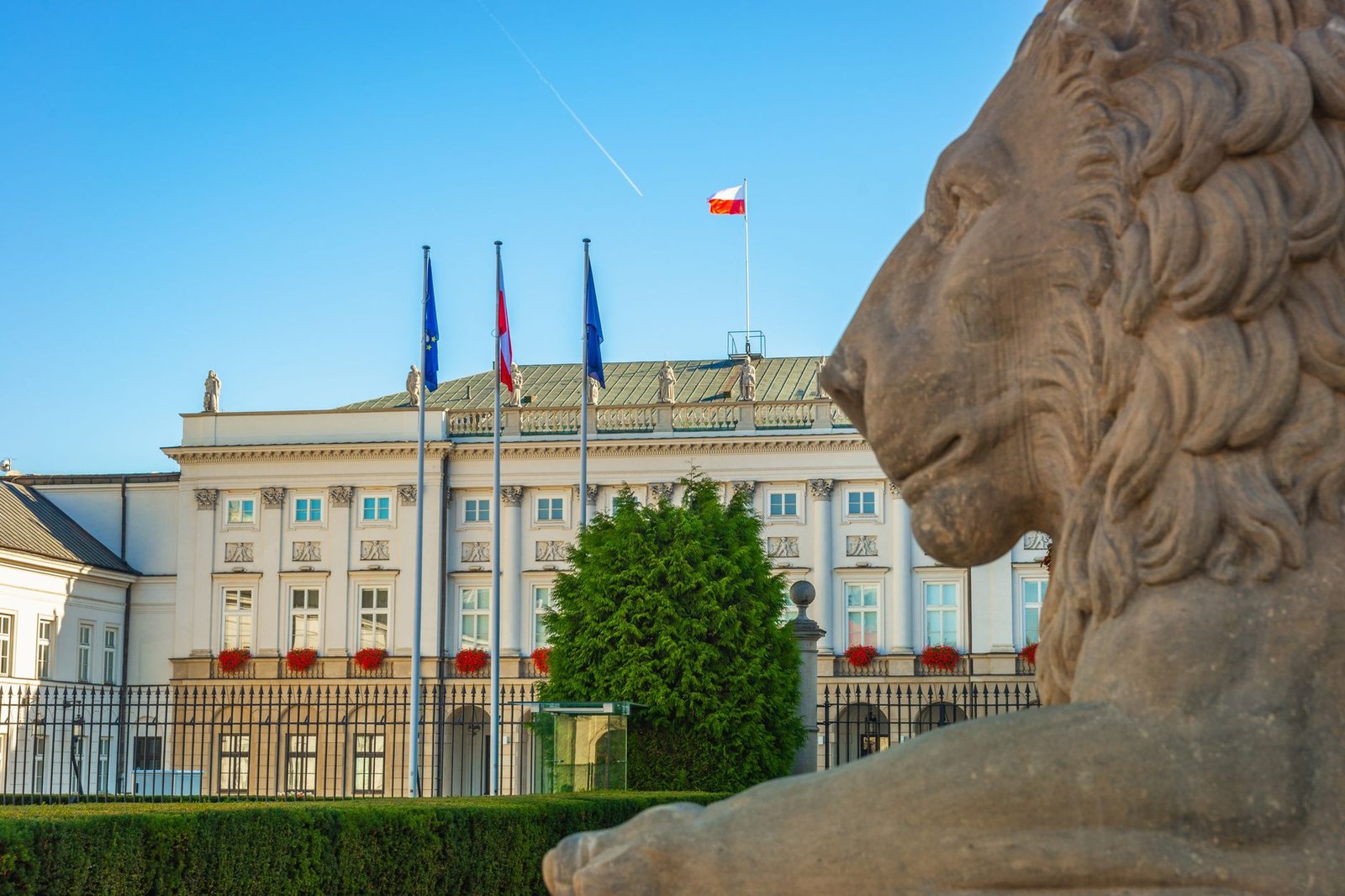
A striking scene has unfolded, diverging from the usual discretion that characterizes the relationship between Senegal’s two most powerful figures. President Bassirou Diomaye Faye issued a public admonition to Ousmane Sonko, his Prime Minister and the leader of the Pastef party. The phrase, delivered in Wolof – « Fii, saa fitnë dotufi nanee ñeex » – which translates to « Here, discord will find no quarter », signals a significant shift in tone for a partnership previously presented as unshakeable. This public address comes as internal frictions within the ruling presidential coalition become increasingly challenging to conceal.
A presidential directive shatters the unspoken agreement
Since their joint ascent to the highest offices in April 2024, Bassirou Diomaye Faye and Ousmane Sonko have meticulously cultivated an image of an indivisible duo, their bond forged through shared legal battles and culminating in a resounding electoral victory. President Faye embodies the institutional role, while Prime Minister Sonko represents the political might of their movement. This balance, often described as a dual leadership, functioned effectively as long as the party’s direction remained unified behind a singular reformist agenda.
The head of state’s recent intervention disrupts this symbolic arrangement. By speaking out publicly, and notably in Wolof – a language that resonates deeply with the popular electorate – the Senegalese president conveyed his clear intention to prevent internal disagreements from spilling over and compromising the conduct of public affairs. The choice of proverbial language underscores the gravity of the warning. It serves less as a personal reprimand and more as an institutional reminder, directed beyond Sonko himself, to the entire Pastef apparatus.
Pastef navigates the challenges of power
The movement founded by Ousmane Sonko is currently experiencing a delicate phase. Having secured an overwhelming majority in the National Assembly following the snap legislative elections in November 2024, Pastef must now contend with the inherent contradictions that arise from wielding power. The promises of accountability made to voters, the budgetary compromises necessitated by a strained financial situation, and administrative appointments are fueling internal rivalries that the party struggles to contain.
In recent weeks, several prominent members of the movement have made uncoordinated media statements, revealing divergences on economic strategy, judicial policy, and the pace of institutional reforms. The question of the respective positioning of the presidency and the prime ministry in shaping governmental doctrine has now entered public discourse. It is precisely this climate of murmurs and disagreements that Bassirou Diomaye Faye aims to bring to an end.
A critical issue for governance and credibility
Beyond its partisan dimension, the presidential warning carries significant strategic weight. Senegal is currently engaged in negotiations with the International Monetary Fund (FMI) for a new cooperation framework, amidst a context marked by an upward revision of public debt and scrutiny over certain figures inherited from the previous administration. International investors, along with regional partners, are closely observing the cohesion of the executive duo. Any visible cracks at the highest echelons of the state risk fostering a perception of heightened political risk.
The head of state’s declaration also aims to reassert presidential authority. By reiterating his embodiment of state continuity, Bassirou Diomaye Faye affirms a mandate that will no longer tolerate being relegated to a mere ceremonial role. The phrase « Fii » — « here » — refers to a specific space, that of republican power, where partisan logic must yield to the national interest. This semantic shift has not gone unnoticed by any observer of the political landscape in Dakar.
The concrete impact of this warning on Pastef’s internal dynamics remains to be seen. Ousmane Sonko still commands considerable militant capital and a popularity that, among certain segments of urban youth, continues to surpass that of the head of state. The future will hinge on the capacity of both men to translate this re-framing into a lasting clarification of roles, or conversely, to allow a form of cohabitation to flourish within the presidential camp itself.