
Senegal’s democratic path: navigating the new government and institutional roles
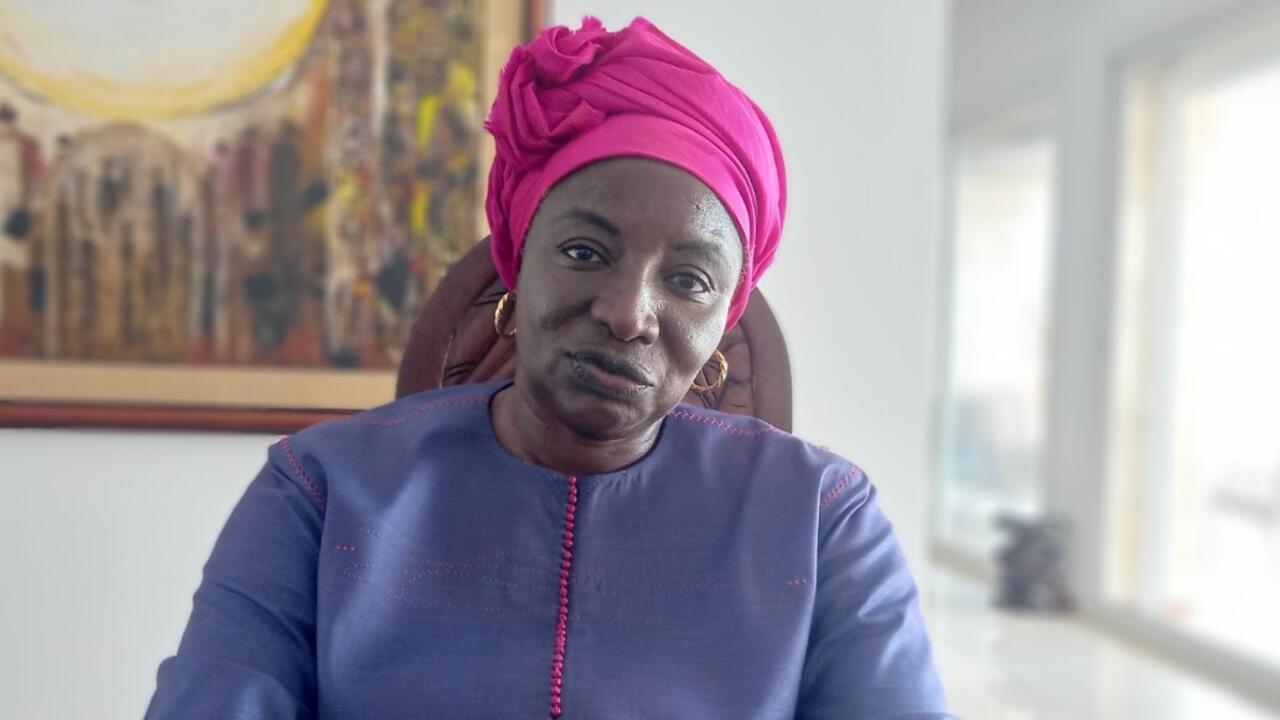
In Sénégal, the recent unveiling of the new administration by Prime Minister Ahmadou Al Aminou Mohamed Lô has sparked significant debate. The thirty-member team, notably lacking the direct participation of Ousmane Sonko’s Pastef party, is largely comprised of technocrats and allies of President Bassirou Diomaye Faye. This absence of Pastef heavyweights, despite the President himself being a member of the party, has led to speculation regarding a possible divergence between Diomaye Faye and Sonko. Aminata Touré, the general supervisor of the Diomaye Président coalition, shared her perspective on this new political landscape during an interview in Dakar.
Efficiency over political weight
Regarding the composition of the 30-member cabinet, questions have arisen about its democratic legitimacy given the absence of major Pastef figures. Aminata Touré emphasizes that the democratic foundation remains solid. “President Bassirou Diomaye Faye was democratically elected with 54% of the vote,” she notes. The selection of the Prime Minister and the subsequent validation of the government are well within his constitutional rights. According to Touré, this team was chosen for its efficiency, as the citizens of Sénégal are primarily concerned with seeing tangible work and results.
Navigating institutional cohabitation
With Pastef holding a majority in the National Assembly under Ousmane Sonko‘s leadership, some fear a difficult cohabitation with the executive. However, Touré points out that the President and several ministers are indeed Pastef members, making this more of an internal party dynamic. She argues that as long as every institution—the executive, the legislature, and the judiciary—respects its own prerogatives and prioritizes Sénégal‘s interests, crises can be avoided. “We cannot be in eternal domestic scenes,” she remarks, adding that the Conseil constitutionnel will also play its role in ensuring laws are constitutional.
Accountability without settling scores
There have been reports of disagreements between Sonko and Diomaye Faye regarding the firmness of political accountability. Touré refutes the idea that this government marks the end of political moralization. Instead, she views it as the start of a process aligned with judicial independence. “Accountability does not mean settling scores,” explains the former Minister of Justice. She stresses that legal condemnation requires proof before a judge, regardless of political rivalries. The President remains committed to transparency, but through the lens of fair justice.
A practical approach to national debt
The issue of national debt also looms large, particularly given Sonko‘s historical skepticism toward the International Monetary Fund. Touré frames the government’s approach as practical rather than ideological. The goal is to find sustainable strategies for repayment, which may involve debt reprofiling and discussions with international partners. She warns against the harsh structural adjustments of the 1980s that slashed social programs and increased poverty. The focus now is on a strategy that is manageable for both the state and the population.
Looking toward 2029
Speculation is already mounting about the 2029 presidential race and whether the current government structure is a strategic move to favor one leader over another. Touré acknowledges that political ambitions are legitimate, including a potential second term for Diomaye Faye. However, she insists that the immediate priority must be solving the country’s urgent problems. “The voters do not want to engage in a three-year election campaign,” she says. For the new administration, the objective is transformation and action, letting democracy function while keeping the national interest at the forefront.