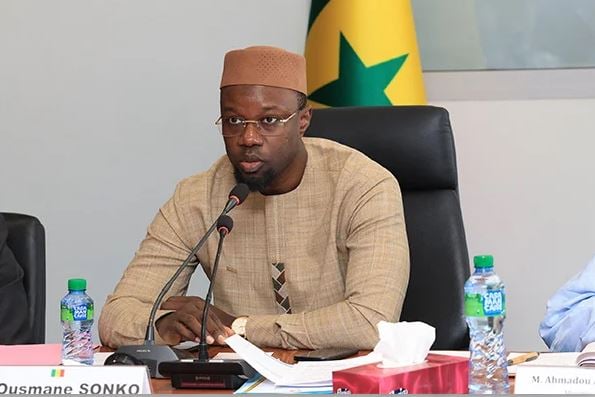

During a recent Council of Ministers meeting, Prime Minister Ousmane Sonko unveiled a sweeping reform agenda aimed at revitalizing Senegal’s markets, boosting agricultural output, and accelerating the digital transformation of public services. With a 57.5 billion FCFA investment plan, the government is doubling down on efficiency and cross-sector coordination to drive sustainable development.
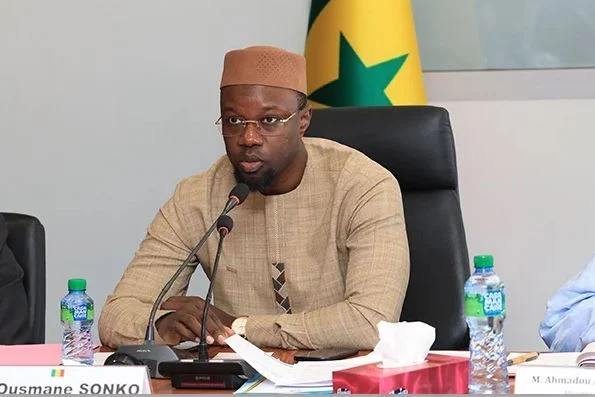
The government’s priority initiatives include modernizing public markets, preparing for the 2026-2027 agricultural season, implementing flood prevention measures, and completing the Senegal Connect Park project. Sonko emphasized the need for stronger governance and systematic tracking of government actions to ensure measurable results.
Revamping public markets: a nationwide overhaul
The Prime Minister highlighted critical challenges facing Senegal’s market infrastructure, particularly the aging facilities built in the 1970s that now pose serious safety risks. Between 2013 and 2024, 53 markets were destroyed by fires, exposing structural vulnerabilities in the sector.
To address these issues, the government is rolling out the Market Modernization and Management Program (PROMOGEM), with a strategic plan spanning 2025 to 2029. This ambitious program aims to restructure 528 existing markets and construct 67 new state-of-the-art facilities. Sonko proposed institutional reforms to grant PROMOGEM greater administrative and financial autonomy, backed by a 57.5 billion FCFA investment over four years from the Public Investment Plan.
The initiative calls for a collaborative approach involving local governments and private sector stakeholders to establish a nationwide network of modern, efficiently managed markets.
Boosting agriculture through transparency and technology
Discussing preparations for the upcoming agricultural season, Sonko commended progress in certified seed and fertilizer production, particularly through the Institute of Agricultural Research (ISRA) and Cooperative Improvement Centers (ICS). However, he identified persistent challenges, including incomplete seed autonomy, uneven distribution of agricultural inputs, limited access to farm credit, and inadequate storage infrastructure.
The Prime Minister stressed the urgency of scaling up digital solutions in agriculture, building on successful pilot programs in Tivaouane and Nioro. He called for greater transparency in input pricing, consistent nationwide distribution, and enhanced efficiency in agricultural value chains.
Flood prevention: urgent measures ahead of rainy season
With the rainy season approaching, Sonko urged a coordinated ministerial response to mitigate flood risks. Key actions include clearing drainage systems, inspecting infrastructure, and pre-positioning emergency resources. He also mandated updates to municipal emergency plans, strengthening early warning systems, and conducting a cross-sector simulation exercise by June 15, 2026.
Senegal Connect Park: clearing hurdles for digital sovereignty
The Prime Minister underscored the strategic importance of the Senegal Connect Park—a cornerstone project for digital sovereignty, innovation, and the growth of Senegal’s digital economy. Despite achieving 95% physical completion, financial and contractual obstacles continue to delay its finalization.
Sonko directed relevant authorities to submit a realistic completion timeline to the African Development Bank (BAD) and expedite discussions with the West African Development Bank (BOAD). He also emphasized the need to resolve concession negotiations promptly to unlock the park’s full potential.



