
Key developments
- Dismissal: Ousmane Sonko was removed as Prime Minister on May 22, 2026 by President Bassirou Diomaye Faye
- Warning: On July 12, 2026 in Mbacké, Sonko announced plans to file a no-confidence motion against Ahmadou Al Aminou Lô’s government
- Support: Ten of Mbour’s sixteen mayors publicly backed President Faye on July 12
- Party launch: President Faye will hold the founding congress of his new party on August 8, 2026 at Dakar Arena
Mounting tensions in Mbacké
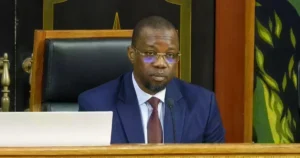
Senegal’s political climate has sharply deteriorated following a fiery July 12 meeting in Mbacké. Ousmane Sonko, now Speaker of the National Assembly, delivered a scathing address targeting both President Bassirou Diomaye Faye and his administration. The former Prime Minister accused the government of abandoning the sovereignist renegotiation of oil, gas and mining contracts – a cornerstone promise of their joint coalition.
Sonko’s criticism, amplified across social media platforms the following day, went beyond policy failures. He denounced what he termed a betrayal of the Pastef movement’s founding principles and alleged systemic corruption within state institutions. His most concrete threat came in the form of an impending no-confidence motion against Prime Minister Ahmadou Al Aminou Lô, appointed on May 25 through presidential decree.
From alliance to adversaries
The July confrontation represents the culmination of a bitter split that began in May. President Faye’s sudden dismissal of Sonko as Prime Minister on May 22 sent shockwaves through the political landscape. The two leaders had been inseparable since leading the Pastef coalition to victory in the March 2024 presidential election.
When Ahmadou Al Aminou Lô assumed office three days later, Sonko found himself in the Assembly presidency – a position with significant influence but removed from direct governance. Rather than retreat, the former head of government has used this platform to intensify his attacks on the executive branch.
Mayoral support shifts to Faye
While Sonko rallies his base, President Faye strengthens his grassroots support. On July 12 – coincidentally the same day as the Mbacké meeting – ten of Mbour’s sixteen mayors publicly endorsed the President. This show of force coincides with Faye’s efforts to establish a distinct political identity separate from the original Pastef movement.
The August 8 founding congress of Faye’s new party at Dakar Arena marks a critical milestone in this strategy. The event signals the President’s determination to break free from Sonko’s influence and forge his own political path.
Multi-front confrontation intensifies
Sonko’s criticism extends beyond resource contracts. He has condemned the Constitutional Council’s decision to invalidate the constitutional reform, directly implicating President Faye in what he views as a betrayal of their shared vision. The confrontation has reached unprecedented levels between two leaders who once stood together.
Prime Minister Lô has responded forcefully on social media, accusing Sonko of cynically exploiting nationalist rhetoric for political gain. This rebuttal demonstrates the executive’s resolve not to be undermined by opposition tactics.
Understanding Senegal’s political landscape
Senegal, a nation of 18 million on Africa’s western coast, experienced historic political change in March 2024 with Bassirou Diomaye Faye’s election. Backed by the Pastef movement and its leader Ousmane Sonko, the new President promised to end the practices of the previous administration and assert greater control over the country’s natural resources, particularly the offshore oil and gas discoveries near Dakar.
Mbacké, site of the July 12 gathering, holds special significance as a religious center in the Diourbel region and heartland of the influential Mouride Sufi brotherhood. Touba, the neighboring spiritual capital of the Mourides, represents crucial electoral territory. Sonko’s presence in this strategic area reflects his efforts to solidify support where President Faye is also attempting to establish influence.
Legal pathways to government change
A no-confidence motion would not be an empty threat. As Assembly President, Sonko possesses the procedural tools to initiate such a process. The critical question remains whether he commands sufficient support to succeed. The Pastef coalition holds a comfortable majority in the Assembly following legislative elections, but the real test will be how many deputies remain loyal to Sonko versus those who support President Faye.
The duel between these former allies continues to unfold against the backdrop of two major issues: the renegotiation of contracts with multinational corporations and the future political direction of post-transition Senegal. The August 8 party congress may well determine whether this crisis escalates or finds resolution.