
Senegal’s political storm: Sonko’s fierce attack on Diomaye Faye
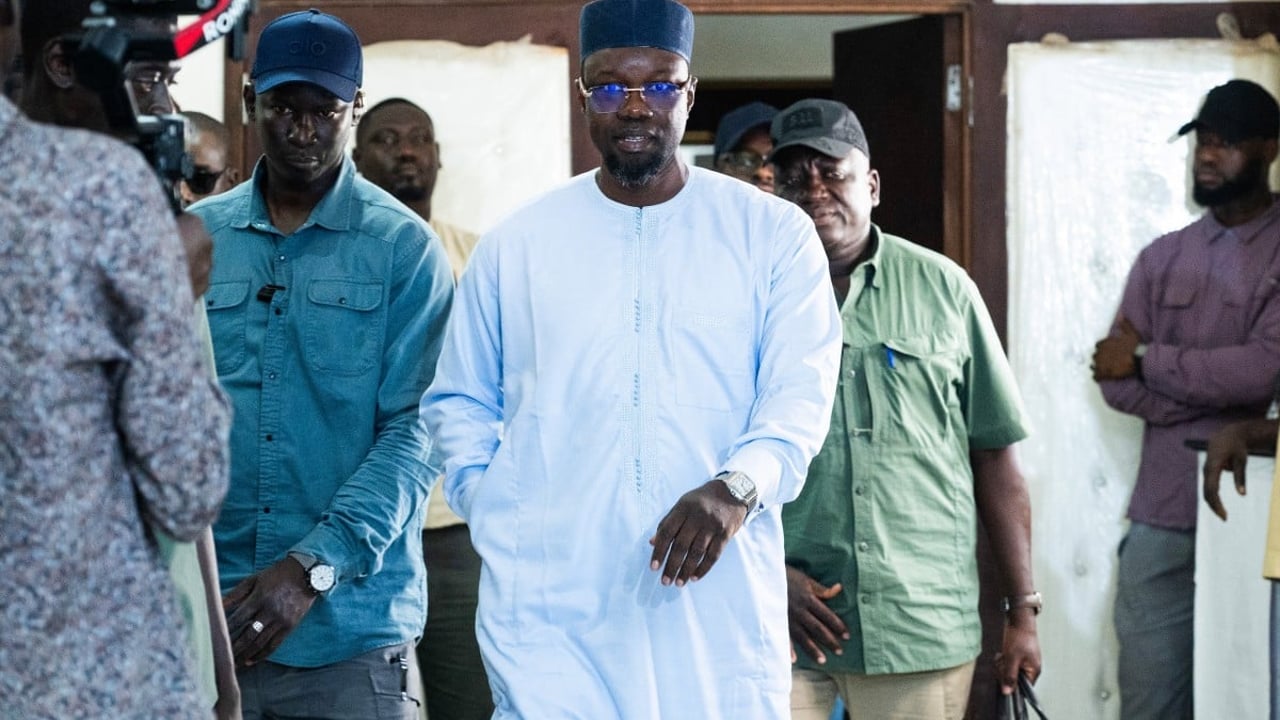
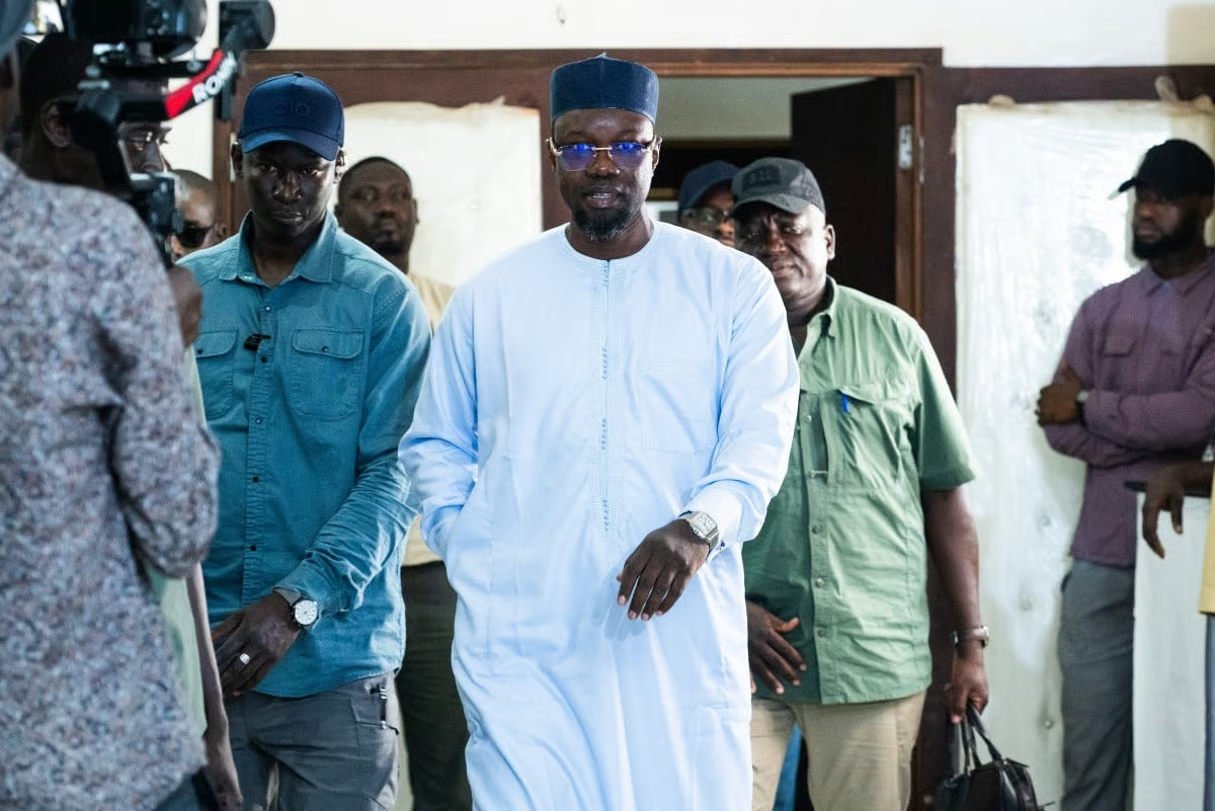
The political landscape in Senegal has been shaken by a fiery confrontation between two prominent figures: former Prime Minister Ousmane Sonko and President Bassirou Diomaye Faye. The clash, which unfolded during a high-profile press briefing in Dakar, has sent shockwaves through the nation’s corridors of power.
Sonko’s remarks were sharp and unfiltered, underscoring the gravity of the situation. “A country is no laughing matter,” he declared, his tone leaving no room for ambiguity. The statement, dripping with political weight, targeted the administration’s policies and leadership style, revealing deep fractures within the ruling establishment.
The former Prime Minister, known for his outspoken criticism of government actions, did not hold back. He accused the administration of failing to address pressing national issues, including economic instability and social unrest. His words resonated with supporters who have long viewed him as a champion of reform.
Analysts are now debating the implications of Sonko’s outburst. Some see it as a strategic move to consolidate his influence ahead of upcoming elections, while others interpret it as a desperate bid to regain relevance in a rapidly shifting political arena. Regardless of intent, the confrontation has intensified the already tense political climate in Senegal.
What triggered the confrontation?
The immediate catalyst appears to be a series of policy decisions that Sonko and his allies view as detrimental to the country’s progress. Tensions have been simmering for months, with Sonko’s camp accusing the administration of undermining democratic principles and prioritizing personal agendas over national interests.
Key points of contention include:
- Economic policies: Critics argue that recent reforms have failed to alleviate poverty and unemployment, exacerbating public frustration.
- Governance issues: Allegations of corruption and mismanagement have fueled public distrust in the administration.
- Political repression: Sonko’s supporters claim that dissenting voices are being systematically silenced.
The timing of Sonko’s remarks is no coincidence. With national elections looming, the political stakes could not be higher. His bold statements may signal a broader strategy to rally opposition forces against the current leadership.
Reactions from the public and political circles
The fallout from Sonko’s press conference has been immediate and polarizing. Supporters of the former Prime Minister took to the streets in several cities, waving banners and chanting slogans in support of his stance. Meanwhile, government officials have remained tight-lipped, though insiders hint at a coordinated response to counter Sonko’s narrative.
Political observers are divided. Some believe the confrontation could destabilize the government, while others argue that it may ultimately strengthen the administration’s resolve to push through its agenda. One thing is certain: the political temperature in Senegal is rising, and the coming weeks will be critical in shaping the nation’s future.
As the dust settles, one question lingers: Will Sonko’s bold move reignite his political career, or will it further isolate him from the mainstream? The answer may well determine the trajectory of Senegal’s democracy.