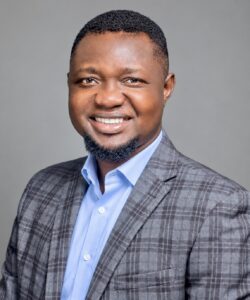

The Senegalese president, Bassirou Diomaye Faye, has relieved Ousmane Sonko of his duties as Prime Minister, marking the end of a turbulent partnership that once united the nation. The decision, announced through a televised address delivered by the presidential secretary-general, Oumar Samba Ba, took effect immediately, dissolving the entire government while its members transition to caretaker roles until further notice.
No explanation was provided regarding the reasons behind Sonko’s dismissal, nor was there any mention of a potential successor. The move comes after months of escalating friction between the two leaders, whose alliance had once captured the imagination of Senegal’s youth and reshaped the country’s political landscape.
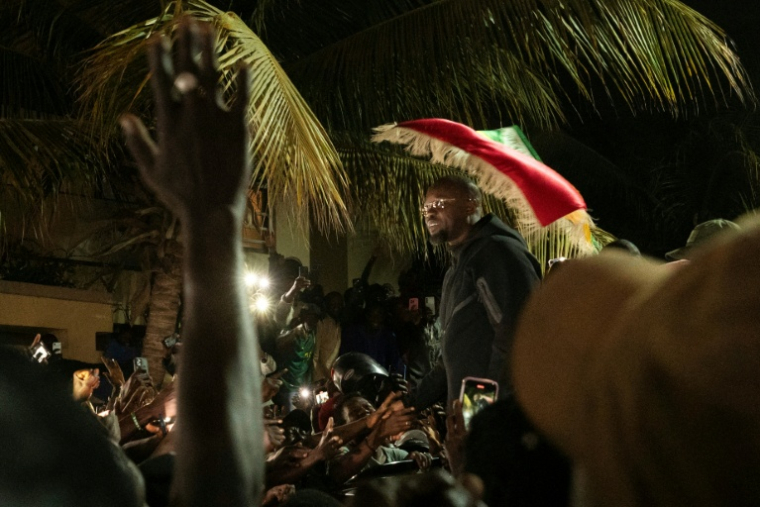
Ousmane Sonko, a charismatic opposition figure and former ally of President Macky Sall, was barred from running in the 2024 presidential election due to a defamation conviction that stripped him of his civil rights. Instead, he endorsed Bassirou Diomaye Faye, who went on to win the presidency under the campaign slogan Diomaye Moy Sonko—meaning “Diomaye is Sonko” in Wolof. This partnership symbolized unity between the two leaders, whose shared vision once mobilized a generation of disillusioned young Senegalese.
Sonko’s fiery panafricanist rhetoric and vocal opposition to foreign influence had earned him a fervent following, particularly after his release from prison under a general amnesty. His criticism of Western powers, including accusations that they sought to impose homosexuality on Africa, resonated deeply in a predominantly Muslim nation. This stance was notably reinforced when Senegal’s parliament recently passed a law toughening penalties for same-sex relations.
Spontaneous gatherings and political fallout
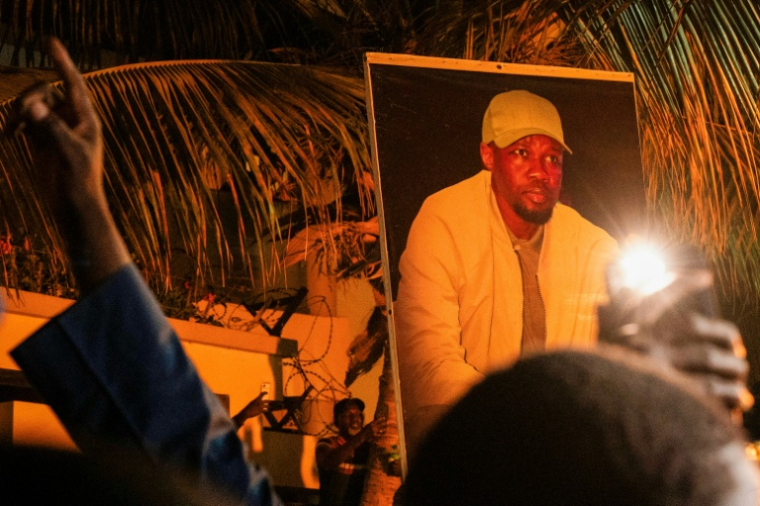
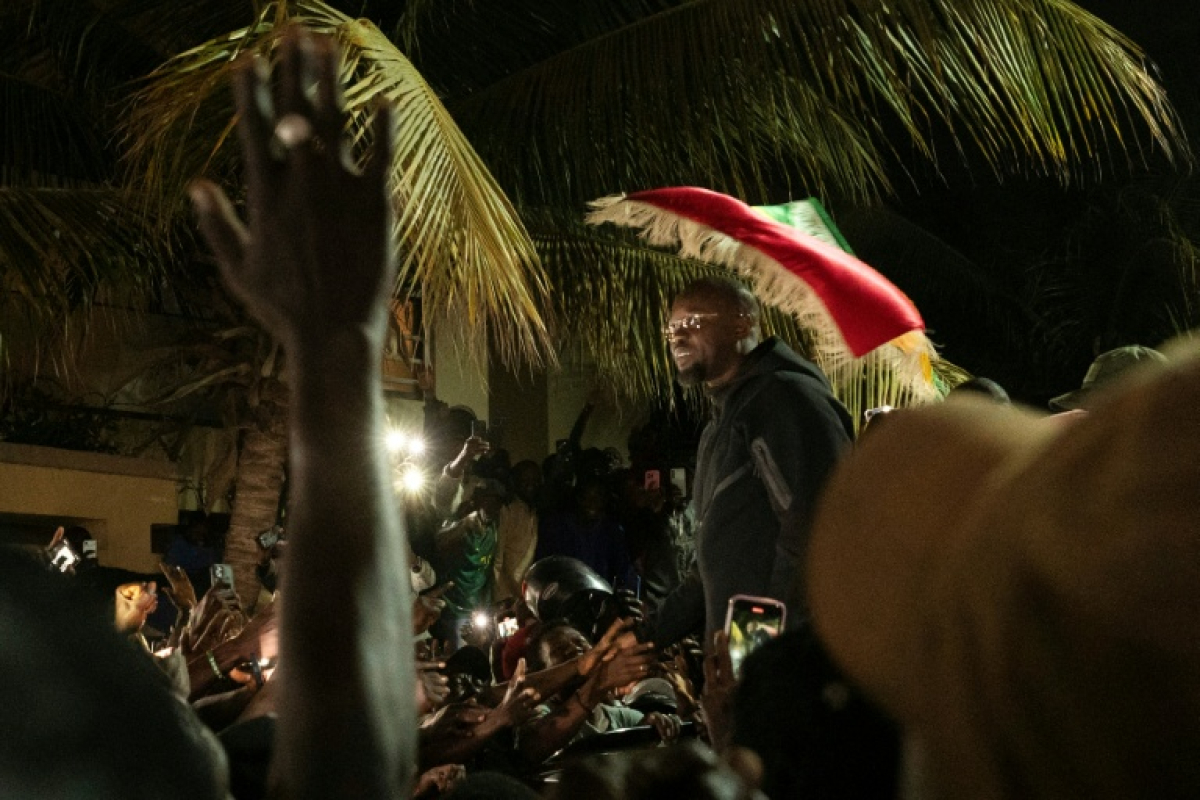
Within hours of the announcement, hundreds of Sonko’s supporters converged outside his residence in the Dakar neighborhood of Keur Gorgui, chanting slogans and waving portraits of the former prime minister. Sonko himself took to social media to express relief, stating, “Alhamdoulillah. Tonight, I will sleep peacefully in Keur Gorgui.”
The tensions between President Faye and Prime Minister Sonko had been simmering for months. In early May, the president publicly rebuked Sonko for what he described as an “excessive personalization” of the ruling party, warning that the prime minister’s position was contingent on his continued trust. Faye’s remarks followed growing concerns over Sonko’s dominance within the party, which holds a commanding majority in the National Assembly after the 2024 legislative elections.
Further complicating the political landscape, parliament approved a controversial electoral reform in late April, widely criticized by the opposition. The changes were seen as a strategic move to pave the way for Sonko’s potential presidential bid in 2029—a scenario that contrasts with Faye’s comparatively lower public appeal. Despite this, Faye’s Diomaye Président movement has steadily gained traction, hinting at his own ambitions for the upcoming election cycle.
Economically, Senegal faces significant challenges, with the International Monetary Fund ranking it as the second most indebted country in sub-Saharan Africa. The nation’s debt burden, inherited from the previous administration, now exceeds 132% of its GDP. The current government has accused the former administration of concealing this financial reality, a claim that led to the suspension of a $1.8 billion IMF support program in 2024.