
Senegal’s president launches new party ‘KIIRAAY’ in shift of political dynamics
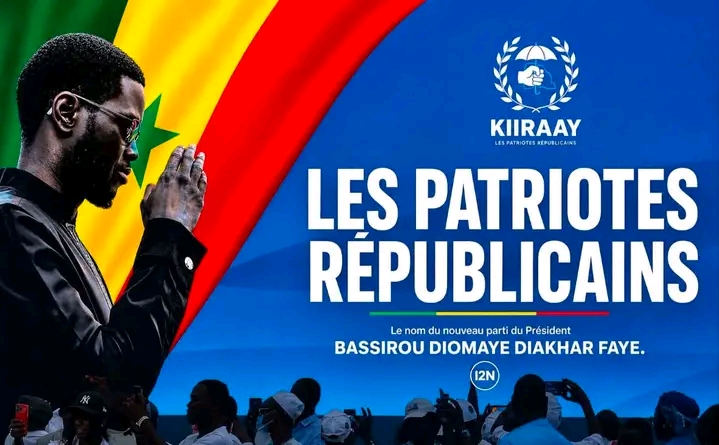
On a warm Saturday in Dakar, Bassirou Diomaye Faye, the President of Senegal, inaugurated a new political chapter by unveiling KIIRAAY – Les Patriotes Républicains, a party that signals a decisive break from his former political alliance. The launch event, held during a constitutive general assembly in a prominent city hotel, marks a turning point in Senegal’s evolving political landscape following his separation from the PASTEF, once led by his former mentor, Ousmane Sonko.
The newly formed party adopts the guiding principle ‘La Patrie d’abord’ — ‘The Homeland First’ — reflecting a commitment to prioritizing national interest, strengthening republican institutions, and reinforcing the rule of law. The name KIIRAAY, derived from Wolof and meaning ‘what protects’, embodies the mission of safeguarding Senegal’s future and advancing the transformative governance agenda championed by the Head of State.
During the assembly, delegates unanimously elected Bassirou Diomaye Faye as the party’s president, a move that formalizes his political realignment after stepping down from leadership roles within Pastef at the start of his presidential term. The formation of KIIRAAY is rooted in the consolidation of 437 political parties, movements, and associations, united under a shared vision to support the reforms initiated by the President and the country’s long-term development goals.
The emergence of this new political force is being closely monitored beyond Senegal’s borders. International partners, investors, and development stakeholders view it as a pivotal moment in the country’s trajectory. With Senegal advancing its Vision Sénégal 2050 strategy, institutional stability and transparent governance remain essential to maintaining market confidence, attracting foreign investment, and sustaining international partnerships.
The establishment of KIIRAAY sets the stage for a new phase in Senegalese politics. As the nation approaches upcoming electoral deadlines, the party’s influence could reshape the balance within the presidential majority and opposition blocs, ultimately shaping the framework for future economic and institutional reforms.